
A Comprehensive Guide to Land Management in Johnston County


Introduction to Land Management in Johnston County
Johnston County, with its rich agricultural heritage and growing urban areas, presents unique challenges and opportunities in land management. Whether you are a farmer, developer, or resident, understanding the principles of effective land management is crucial for sustainable development.
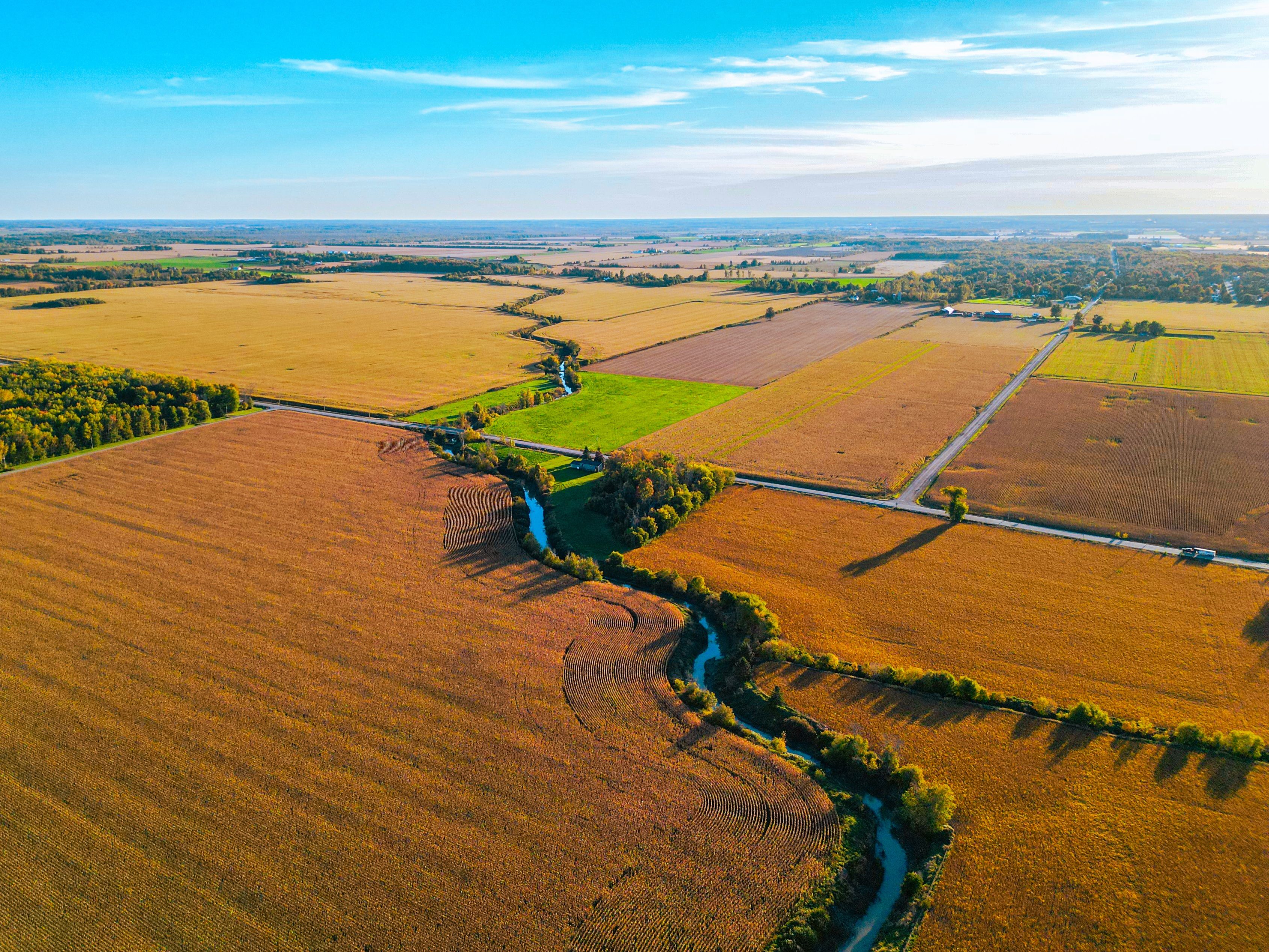
Understanding Land Use Regulations
Land use in Johnston County is governed by a combination of local, state, and federal regulations. These rules ensure that the land is used responsibly, balancing development with environmental preservation. It is essential to familiarize yourself with zoning laws and permits before undertaking any land development projects.
Zoning ordinances specify what activities can take place on a particular piece of land, such as residential, commercial, or agricultural uses. Understanding these ordinances can help you make informed decisions about land purchases and usage.
Soil and Water Conservation
Maintaining soil health and water quality is a fundamental aspect of land management. In Johnston County, various programs assist landowners in implementing conservation practices that prevent erosion, improve soil fertility, and protect waterways.

Techniques such as cover cropping, contour farming, and no-till agriculture can enhance the land's productivity while safeguarding the environment. Engaging with local conservation groups can provide valuable resources and support for these initiatives.
Wildlife and Habitat Preservation
Johnston County is home to diverse wildlife, and preserving their habitats is an integral part of land management. Whether it's establishing buffer zones around streams or planting native vegetation, small actions can significantly impact local ecosystems.
Creating wildlife corridors and reducing habitat fragmentation are strategies that benefit both landowners and native species. Collaborating with wildlife agencies can help you implement these practices effectively.

Urban and Rural Development Balance
As Johnston County continues to grow, finding a balance between urban development and rural preservation is vital. Thoughtful planning and community involvement play key roles in achieving this balance, ensuring that growth is sustainable and beneficial for all residents.
Participating in local planning meetings and staying informed about proposed developments can empower you to contribute to the county's future. Advocating for smart growth policies that prioritize green spaces and infrastructure can create harmonious communities.
Technology and Innovation in Land Management
Modern technology offers innovative solutions for effective land management. Tools such as GIS mapping and remote sensing provide valuable insights into land use patterns and environmental conditions.

Embracing these technologies can enhance decision-making, optimize resource use, and support sustainable practices. Investing in training and education on these tools can be a worthwhile endeavor for landowners and managers.
Conclusion: The Path Forward
Effective land management in Johnston County requires a collaborative approach that balances development with conservation. By understanding regulations, embracing sustainable practices, and leveraging technology, landowners can contribute to a thriving, resilient community.
Whether you're a farmer looking to improve soil health or a developer planning a new project, staying informed and engaged is the key to success. Together, we can ensure a prosperous future for Johnston County's land and its people.