
Building an Accessory Dwelling Unit (ADU) in North Carolina: Key Regulations and Benefits


Understanding ADUs
Accessory Dwelling Units (ADUs) offer a fantastic way to maximize property value and provide additional living space. In North Carolina, these structures are gaining popularity as they provide flexible living arrangements, whether for family members, guests, or rental income. With increasing housing demands, ADUs present an attractive solution for homeowners and communities alike.
Before embarking on the journey to build an ADU, it's essential to understand the key regulations and benefits associated with them in North Carolina. Each locality may have specific rules, but there are general guidelines that apply across the state.
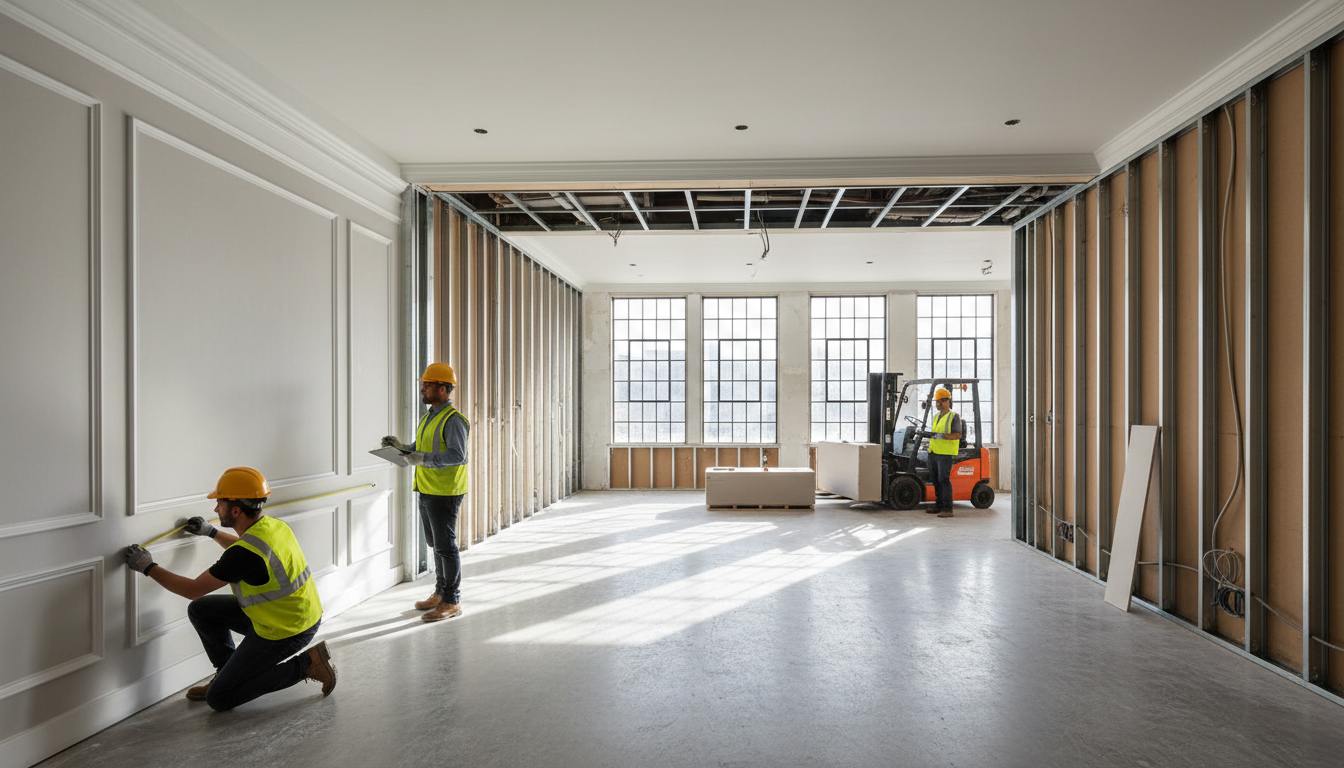
Key Regulations for Building ADUs
Understanding Zoning Laws
Zoning laws are crucial when considering an ADU. In North Carolina, many cities and counties have specific zoning requirements that dictate where ADUs can be built. Generally, these units are allowed in residential zones, but homeowners must verify with local zoning offices to ensure compliance.
Size and Design Restrictions
Most areas in North Carolina have size restrictions for ADUs. Typically, the size of an ADU must be proportional to the primary dwelling, often capped at a certain percentage or a specific square footage. Additionally, design elements should complement the existing structure to maintain neighborhood aesthetics.
Permitting and Approval
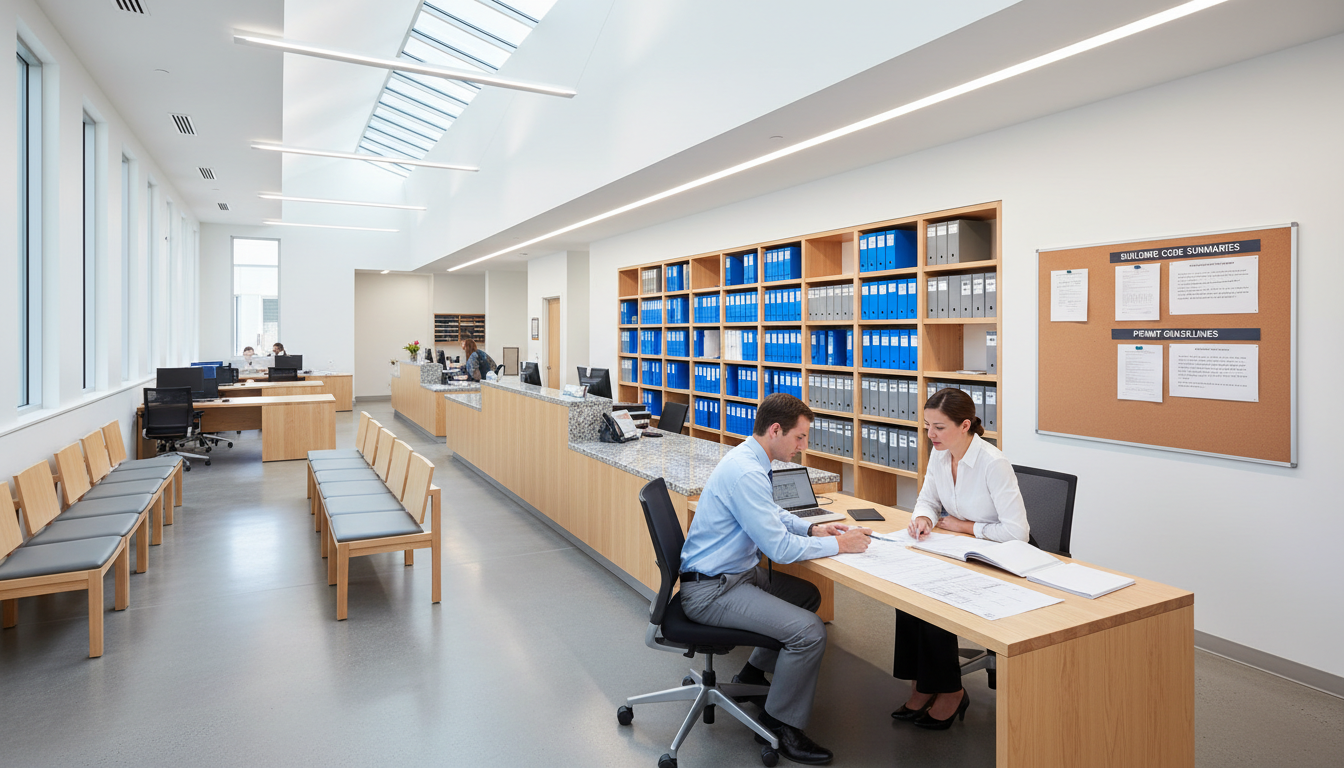
Building an ADU requires obtaining the proper permits. This process involves submitting detailed plans and undergoing inspections to ensure safety and compliance with building codes. It's advisable to consult with local building departments to understand the specific requirements and streamline the approval process.
Benefits of ADUs
Increased Property Value
One of the most significant benefits of building an ADU is the potential increase in property value. A well-designed ADU can enhance the appeal of your home, making it more attractive to future buyers. This addition can also provide a competitive edge in the real estate market.
Flexible Living Arrangements
ADUs offer flexible living options, making them ideal for housing elderly family members, accommodating guests, or creating independent living spaces for adult children. This flexibility can enhance familial relationships and provide peace of mind knowing loved ones are nearby.
Rental Income Opportunities
For many homeowners, ADUs represent a lucrative opportunity for generating rental income. Renting out an ADU can help offset mortgage costs and provide a steady revenue stream. With the growing demand for affordable housing, ADUs can attract long-term tenants or short-term renters.

Steps to Get Started
To begin building an ADU in North Carolina, start by researching local regulations and consulting with zoning and building officials. Hiring a professional architect or contractor with experience in ADUs can ensure your project complies with all legal requirements and is completed efficiently.
Overall, ADUs offer an exciting opportunity for homeowners in North Carolina to expand their living space, increase property value, and create new revenue streams. With careful planning and understanding of local regulations, building an ADU can be a rewarding investment.