
Building Tiny Homes: A Sustainable Living Solution in NC


The Rise of Tiny Homes in North Carolina
In recent years, the concept of tiny homes has gained significant traction, especially in North Carolina. These compact, efficient living spaces offer a unique solution to the growing demand for sustainable housing. With their minimalistic design, tiny homes are becoming a popular choice for those looking to reduce their carbon footprint while enjoying a simpler lifestyle.
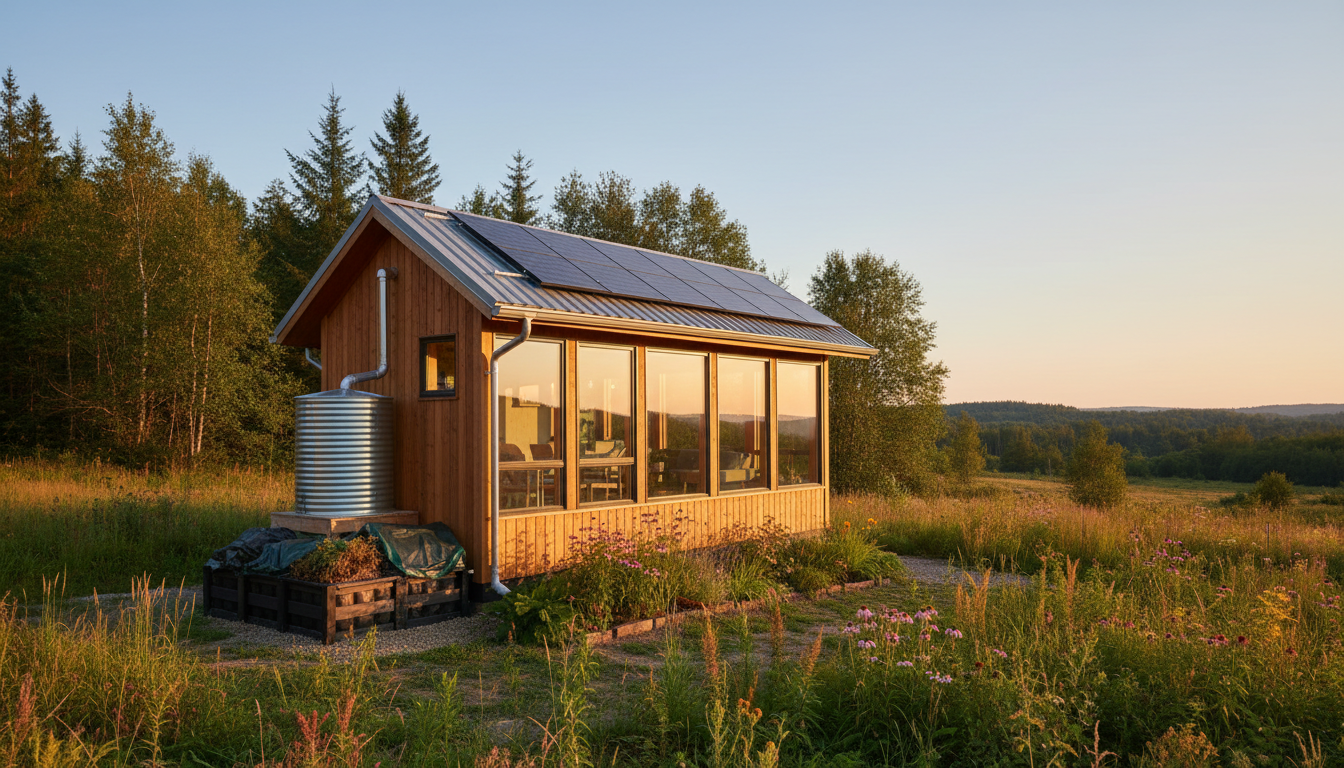
One of the primary reasons for the surge in popularity is the environmental benefits. Tiny homes require fewer materials to build and consume less energy, making them a more sustainable option compared to traditional housing. This trend aligns with a growing awareness of environmental issues and the need for sustainable living solutions.
Benefits of Tiny Homes
Tiny homes offer numerous advantages beyond sustainability. For one, they are cost-effective. The reduced size means lower building costs, and they often come with fewer maintenance expenses. This affordability makes them an attractive option for first-time homeowners and retirees alike.
Another benefit is the mobility they offer. Many tiny homes are built on wheels, allowing owners the flexibility to move their homes to different locations. This feature is perfect for those who crave adventure but still want the comfort of having a home base.
Community and Lifestyle
The tiny home movement is more than just about physical space—it's a lifestyle choice. By embracing minimalism, residents focus on what truly matters, like relationships and experiences. This shift often leads to a more fulfilling and balanced life.
In North Carolina, tiny home communities are springing up, offering residents a sense of belonging and shared values. These communities often include shared amenities and spaces, fostering a cooperative and supportive environment.
Challenges and Considerations
While tiny homes offer many benefits, they also come with challenges. Zoning laws and building codes can be restrictive, varying significantly by location. Potential homeowners must navigate these regulations to ensure compliance.
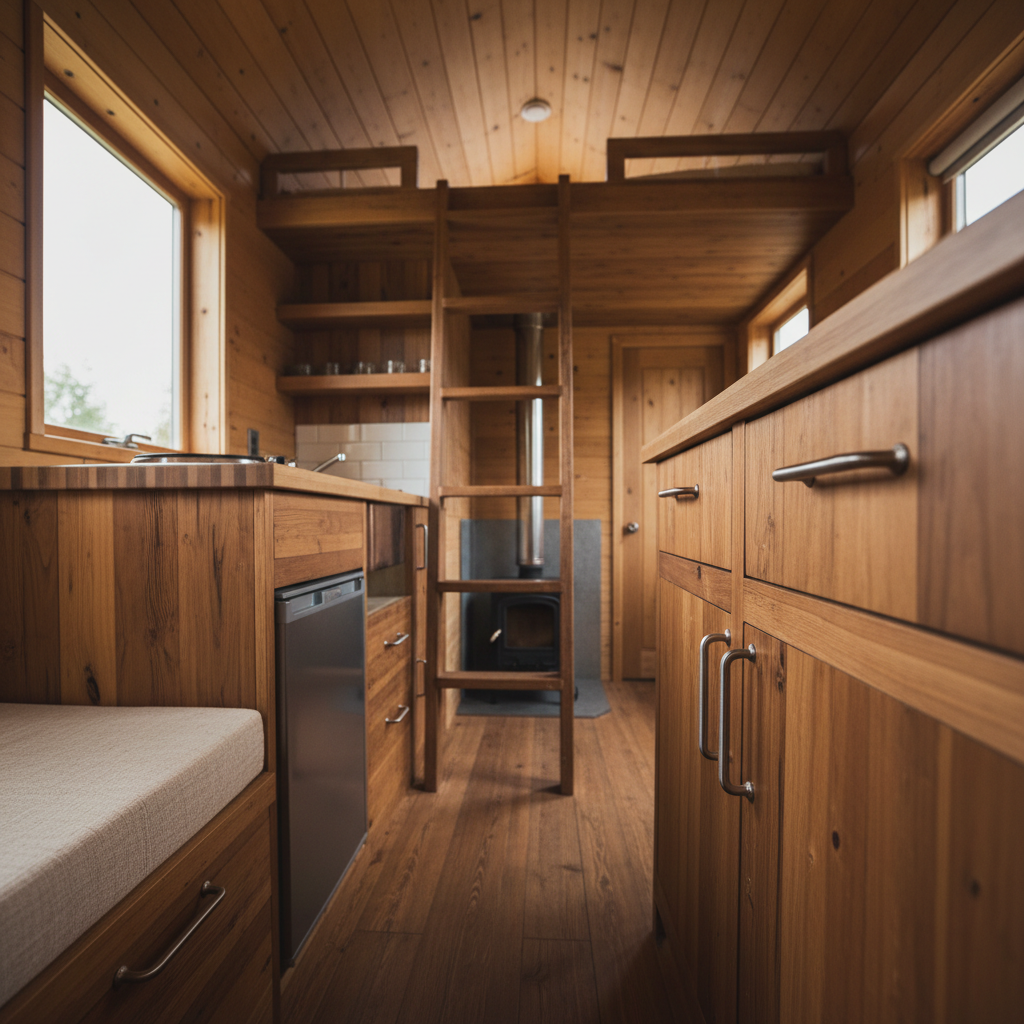
Additionally, the limited space requires careful planning and organization. Prospective tiny home dwellers must be prepared to downsize their possessions and adopt a more minimalist lifestyle, which may not be suitable for everyone.
Conclusion: A Path to Sustainable Living
Building tiny homes in North Carolina represents a step towards more sustainable living. As awareness of environmental issues grows, so does interest in these efficient, eco-friendly dwellings. While there are challenges to overcome, the benefits of reduced costs, mobility, and a focus on meaningful living make tiny homes an appealing choice for many.
For those ready to embrace the tiny home lifestyle, North Carolina offers a welcoming environment with its burgeoning communities and commitment to sustainability. As more people make the shift, tiny homes may soon become a common sight across the state.