
Common Misconceptions About Forestry Mulching Debunked


Misconception 1: Forestry Mulching is Harmful to the Environment
One of the most common misconceptions about forestry mulching is that it's detrimental to the environment. In reality, forestry mulching is an eco-friendly method of land clearing. By converting vegetation into mulch, this process enriches the soil, prevents erosion, and promotes natural growth cycles.
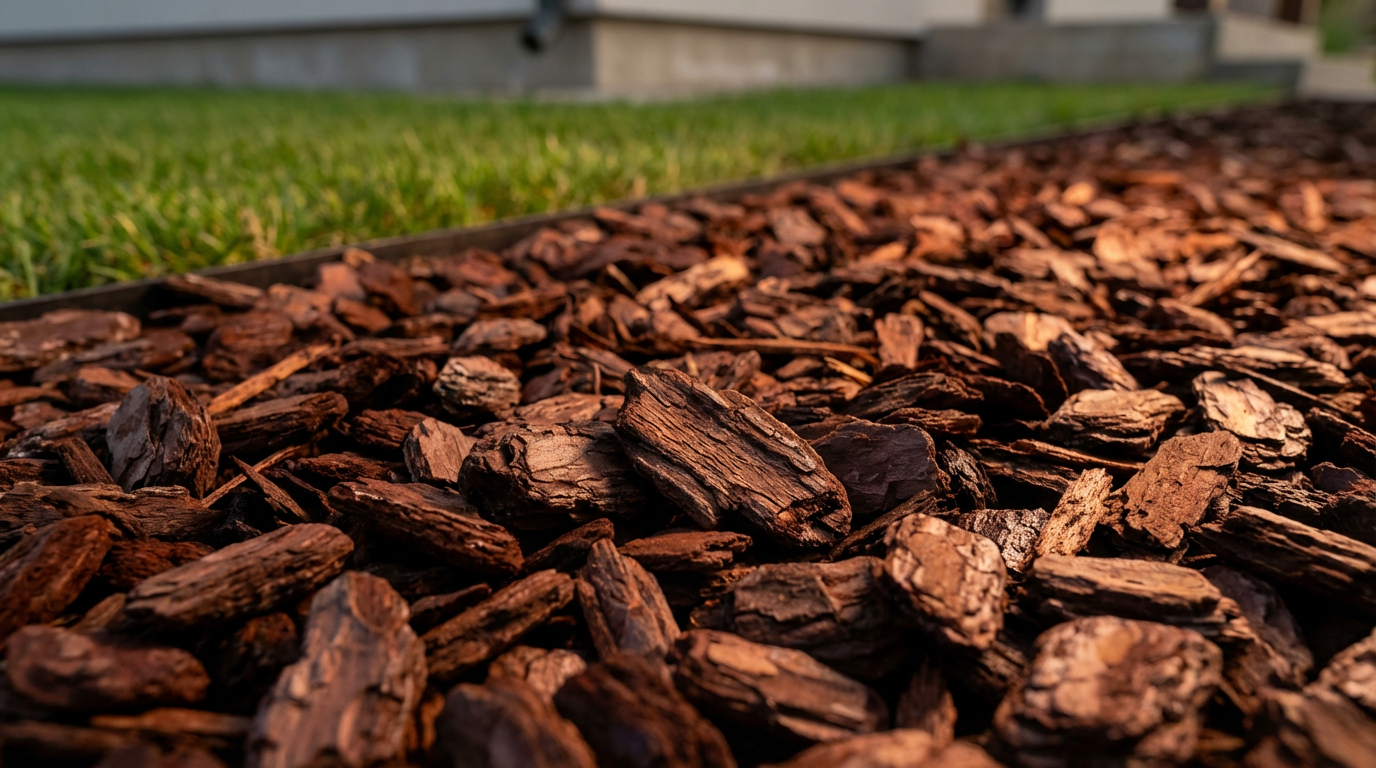
The mulch created acts as a protective layer over the soil, helping to retain moisture and suppress weeds. This natural approach reduces the need for chemical herbicides and fertilizers, enhancing the ecosystem's health.
Misconception 2: Mulching is Only for Large-Scale Projects
Many believe that forestry mulching is only suitable for large-scale commercial projects. However, this versatile technique is equally effective for smaller residential and agricultural applications. Whether you're managing a small farm or a backyard project, mulching can be tailored to fit your needs.
By using specialized equipment, mulching can efficiently clear brush, trees, and overgrowth, making it a practical solution for a variety of land management challenges.
Misconception 3: Forestry Mulching is Expensive
Another common myth is that forestry mulching is a costly endeavor. While initial costs may vary depending on the scope of the project, mulching often proves to be a cost-effective solution in the long run. By eliminating the need for multiple machines and manpower, mulching reduces overall expenses.
- Single-Step Process: Mulching combines cutting, grinding, and clearing in one step, saving time and labor costs.
- Reduces Waste: Mulch created on-site eliminates the need for disposal and transportation costs.
Misconception 4: Mulching Destroys Native Vegetation
Some people worry that mulching destroys native vegetation. However, forestry mulching is designed to selectively clear unwanted plants while preserving desirable trees and vegetation. This method enhances native habitats by removing invasive species that compete for resources.
By promoting the growth of native plants, mulching supports biodiversity and helps maintain balanced ecosystems.
Misconception 5: Mulching is Inefficient
Lastly, there is a misconception that forestry mulching is an inefficient land-clearing method. On the contrary, modern mulching equipment is highly efficient, capable of clearing land quickly and effectively. Advanced machinery allows for precise control, ensuring minimal impact on the surrounding environment.
With its ability to handle diverse terrains and vegetation types, forestry mulching remains one of the most efficient methods for land clearing and management today.