
Common Misconceptions About Seed and Sod Installation


Understanding the Basics of Seed and Sod Installation
When it comes to creating a lush, green lawn, homeowners often face the decision between seed and sod installation. This decision is accompanied by several common misconceptions that can lead to confusion. Understanding these misconceptions can help in making an informed choice.
One of the most common myths is that sod is always the superior option because it provides an "instant lawn." While it's true that sod offers immediate results, it's not always the best choice for every situation. Each method has its own benefits and drawbacks that should be considered.
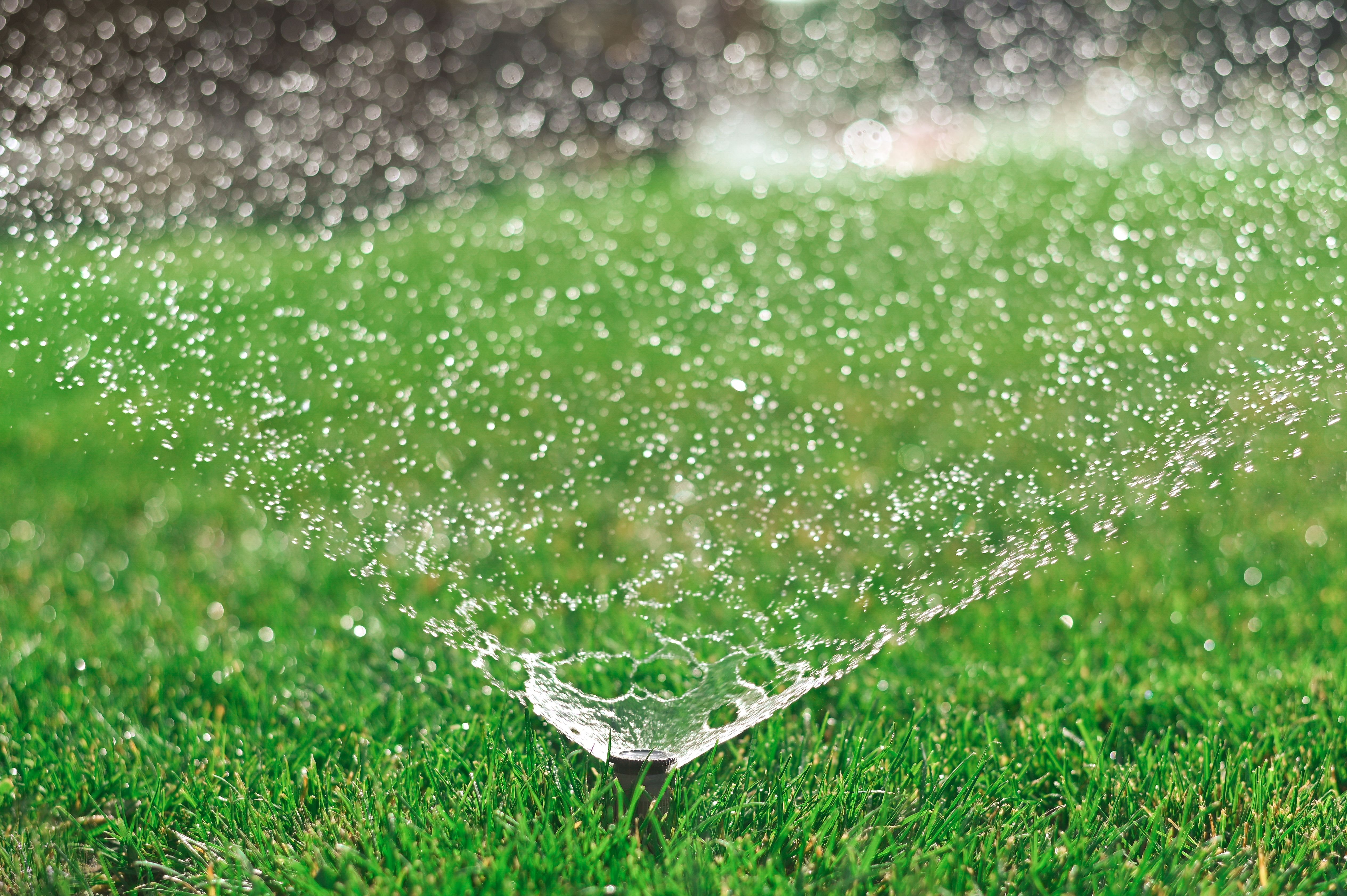
Misconception: Seed Is Too Slow to Establish
Many believe that seeding takes too long to establish a healthy lawn. However, with the right grass type and proper care, a seeded lawn can establish relatively quickly. Factors like soil preparation, watering, and climate play crucial roles in how fast the grass grows.
It's essential to choose the right seed mix for your specific region and conditions. Properly selected seeds can lead to a resilient and lush lawn that is well-suited to your local environment.
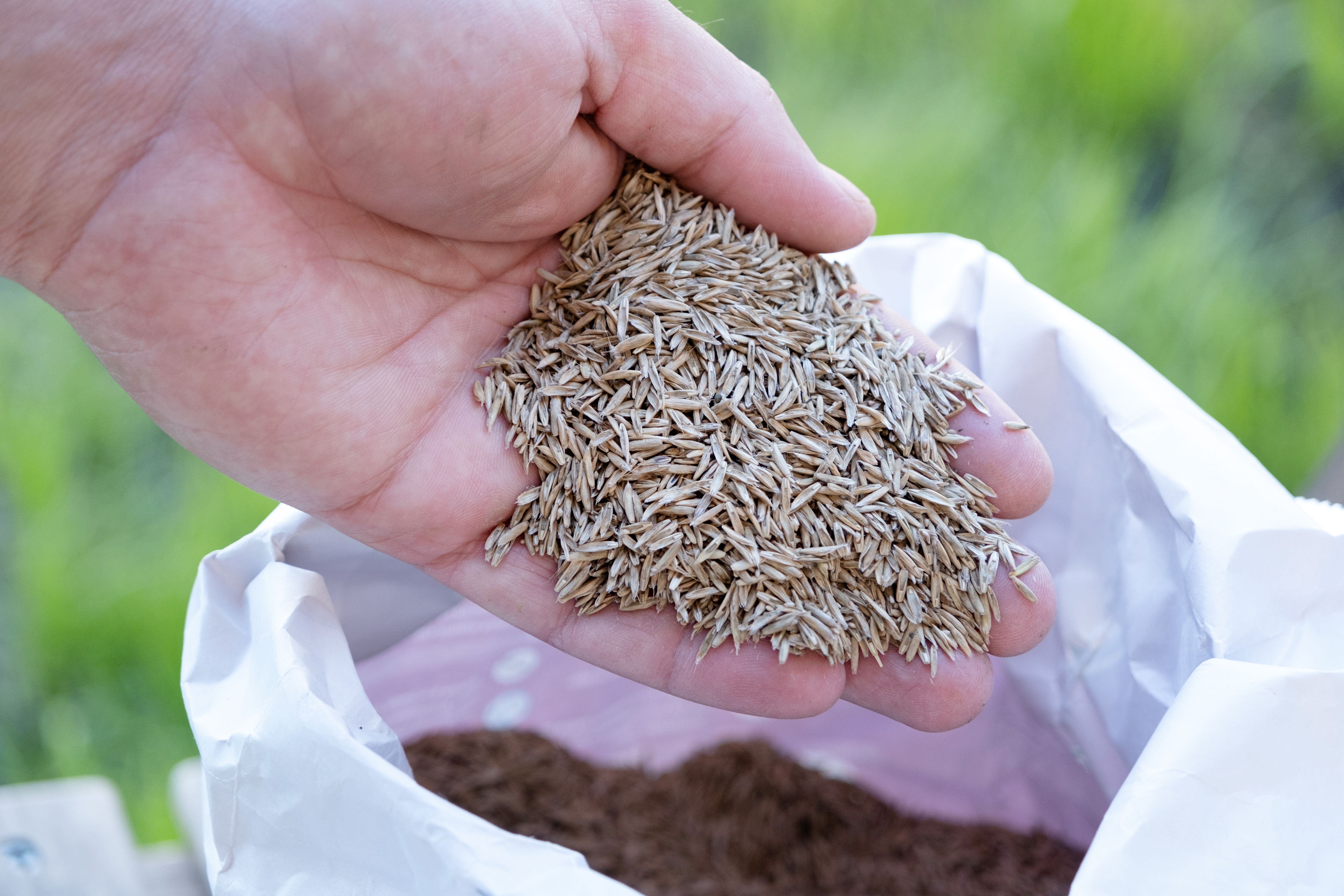
Misconception: Sod Is Maintenance-Free
Another common misconception is that sod requires no maintenance once it's laid down. While sod does provide immediate results, it still requires care to ensure it establishes properly. Regular watering, fertilization, and mowing are necessary to maintain its health.
Additionally, the initial cost of sod can be significantly higher than seeding, which may not be ideal for budget-conscious homeowners. It's important to weigh the long-term maintenance and initial investment when deciding between seed and sod.

Misconception: Seed and Sod Are Suitable for Any Time of Year
Timing is crucial for both seed and sod installation. Some believe that these methods can be implemented at any time of the year. However, the best time for seeding is usually in the fall or spring, depending on the type of grass and climate.
Sod, while more forgiving with timing, still requires favorable conditions to root properly. Installing sod in extreme temperatures or during drought conditions can hinder its success.
Conclusion: Making the Right Choice for Your Lawn
Understanding these misconceptions can help homeowners make a more informed decision when choosing between seed and sod. Both methods have their own set of advantages and challenges, and the choice often depends on specific needs, budget, and environmental conditions.
By considering the factors discussed, you can achieve a vibrant and healthy lawn that enhances the beauty of your outdoor space.