
Common Misconceptions About Seed and Sod Installations


Understanding Seed and Sod: Clearing Up the Confusion
When it comes to lawn installation, many homeowners find themselves torn between seed and sod options. Both methods have their advantages, but misconceptions often lead to confusion and misguided decisions. Let's explore some common misunderstandings to help you make an informed choice.
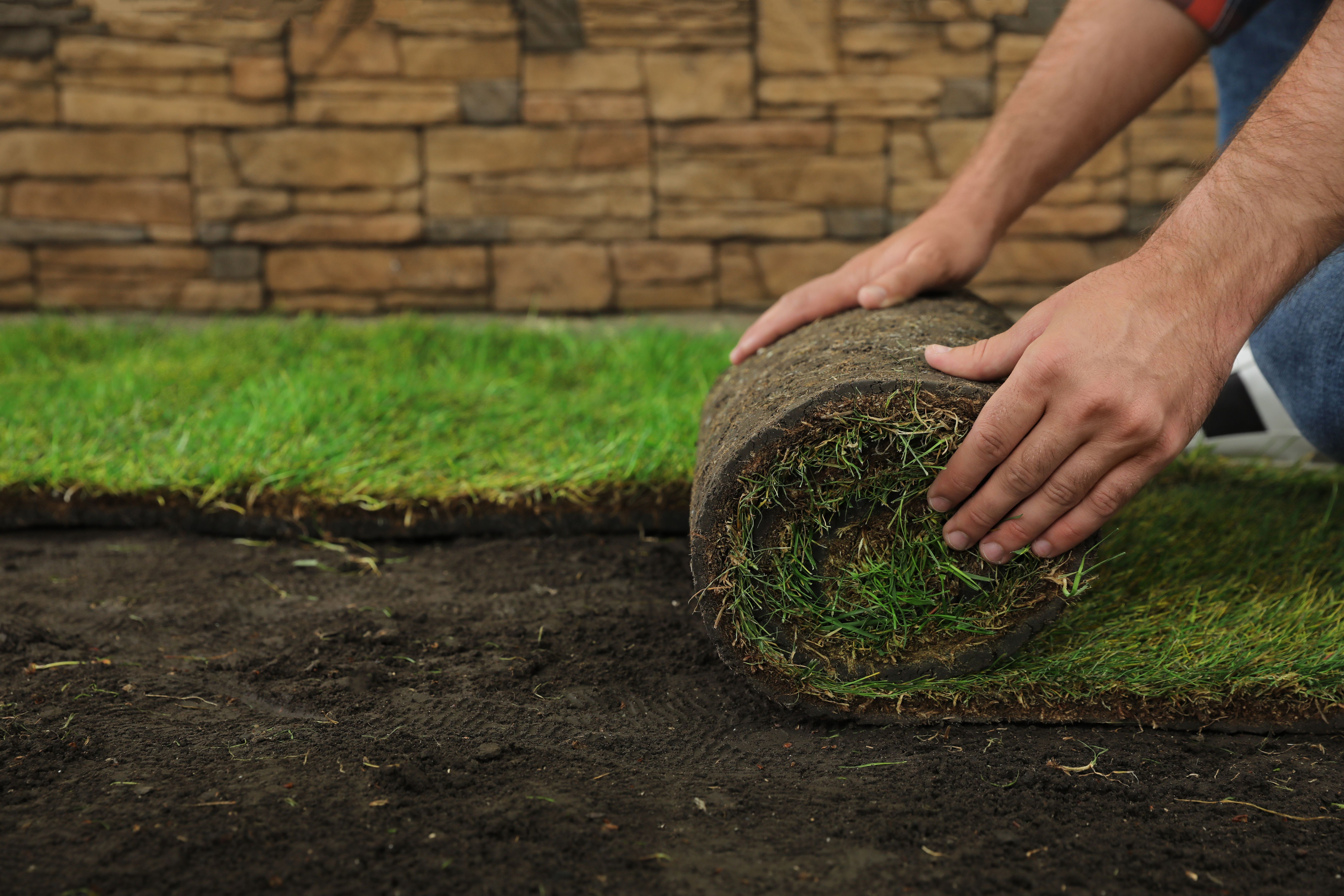
Misconception 1: Sod Is Always the Better Choice
Sod is often perceived as the superior option due to its instant results. However, this isn't always the case. While sod provides an immediate lush appearance, it can be significantly more expensive than seeding. For large areas, the cost of sod can be prohibitive. Additionally, sod requires careful maintenance initially to ensure the roots establish properly.
On the other hand, seeding may take longer to achieve a full lawn, but it allows for a wider variety of grass types and can adapt better to local soil conditions. For those willing to wait, seeding can be a more economical and customizable option.
Misconception 2: Seeding Is Too Time-Consuming
It's true that seeding requires patience, but the idea that it is excessively time-consuming is overblown. With proper preparation and care, many grass seeds can germinate in just a couple of weeks. The key is to follow a consistent watering schedule and protect the seedlings from foot traffic and harsh weather.
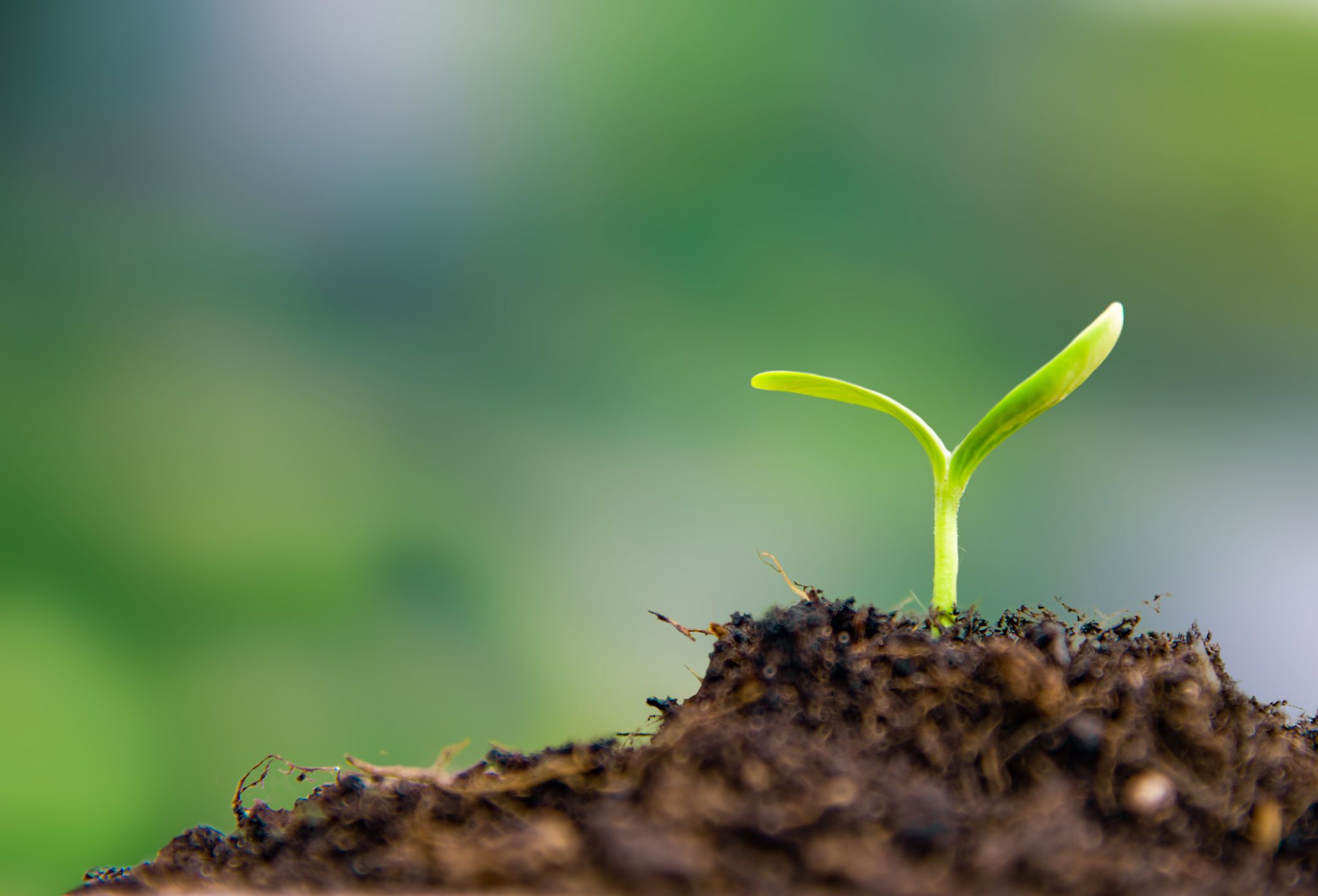
Moreover, seed can be spread at any time of year suitable for growth, whereas sod is best laid during cooler months. This flexibility allows for more strategic planning in your lawn care routine.
Misconception 3: Sod Doesn't Require Maintenance
A common myth is that once you lay sod, your work is done. In reality, sod needs diligent care, especially in the first few weeks. It requires regular watering to ensure the roots take hold and establish in the soil. Skimping on this crucial step can lead to patchy growth and even sod failure.
Long-term, sod also needs continued maintenance similar to seeded lawns, including mowing, fertilizing, and pest control. Understanding these requirements will help maintain that lush, green appearance.

Misconception 4: One Method Fits All Situations
Every lawn is unique, and a one-size-fits-all approach doesn't work. Factors such as climate, soil type, and intended use should influence your choice between seed and sod. For example, if you're looking to quickly cover a small, high-traffic area, sod might be the way to go. Conversely, if you're establishing a lawn in a less visible area, seeding could be more practical.
Consulting with a landscaping professional can provide insights tailored to your specific situation, ensuring that your lawn thrives in its environment.
Conclusion: Making an Informed Decision
Choosing between seed and sod involves weighing various factors, including cost, time, and maintenance. By debunking these common misconceptions, you can approach lawn installation with a clearer understanding of what each method entails. Whether you opt for seed, sod, or a combination of both, informed decisions will lead to a beautiful, lasting lawn.