
Common Myths About Construction Framing Debunked


Understanding the Basics of Construction Framing
Construction framing is a critical aspect of building any structure, yet it's often shrouded in misconceptions. Understanding the basic principles of framing can help demystify the process and highlight its importance in construction. Framing involves creating a skeletal support system for a building, typically using wood, steel, or concrete.
Despite its importance, several myths persist about construction framing, leading to confusion and misunderstandings among homeowners and builders alike. In this post, we'll debunk some of the most common myths and provide clarity on the subject.
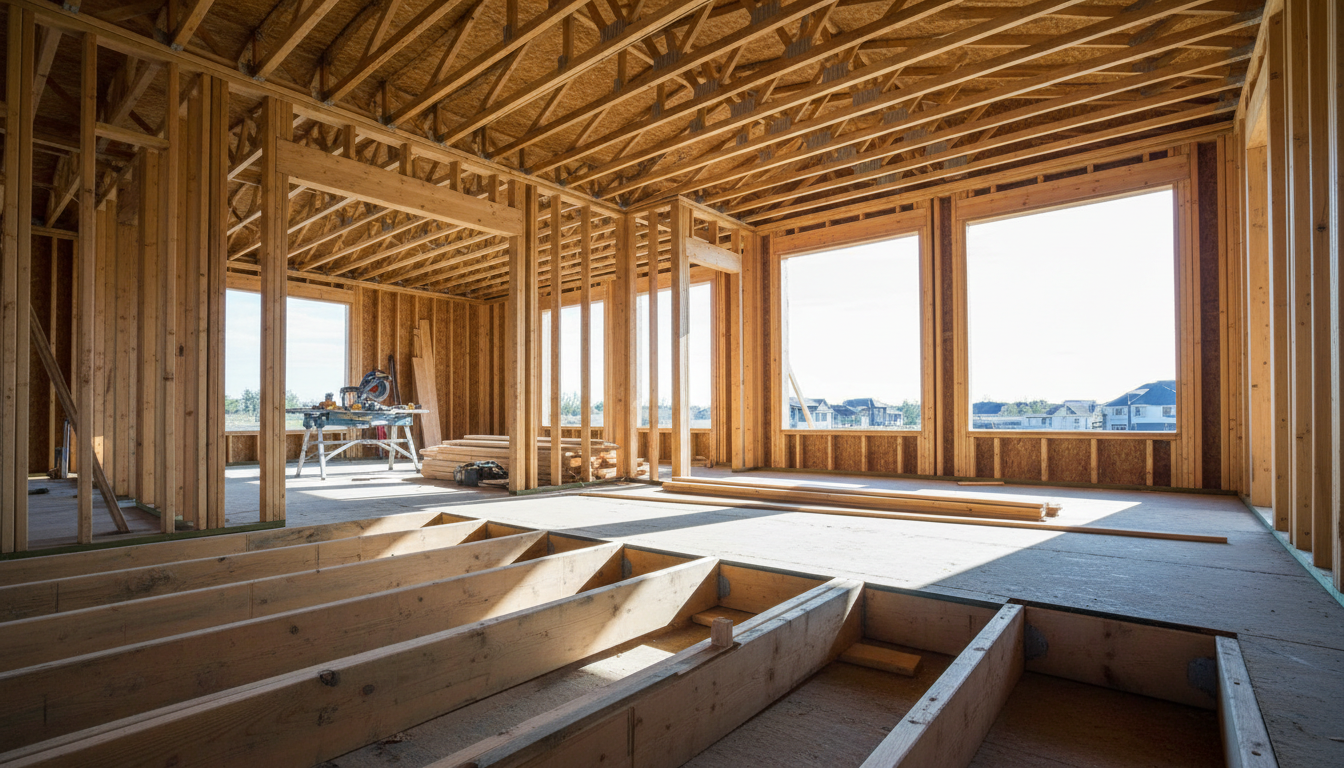
Myth 1: Framing Is Just About Nailing Wood Together
Many people believe that framing is simply about nailing pieces of wood together to form a structure. However, this is a simplistic view. Framing is a highly skilled task that requires a deep understanding of structural engineering principles, building codes, and precise measurements. Proper framing ensures the building's stability and safety.
Carpenters and builders use a variety of techniques and tools to cut, join, and secure framing materials. They must consider factors such as load-bearing walls, trusses, and joists to ensure the structure can withstand external forces such as wind, snow, and earthquakes.
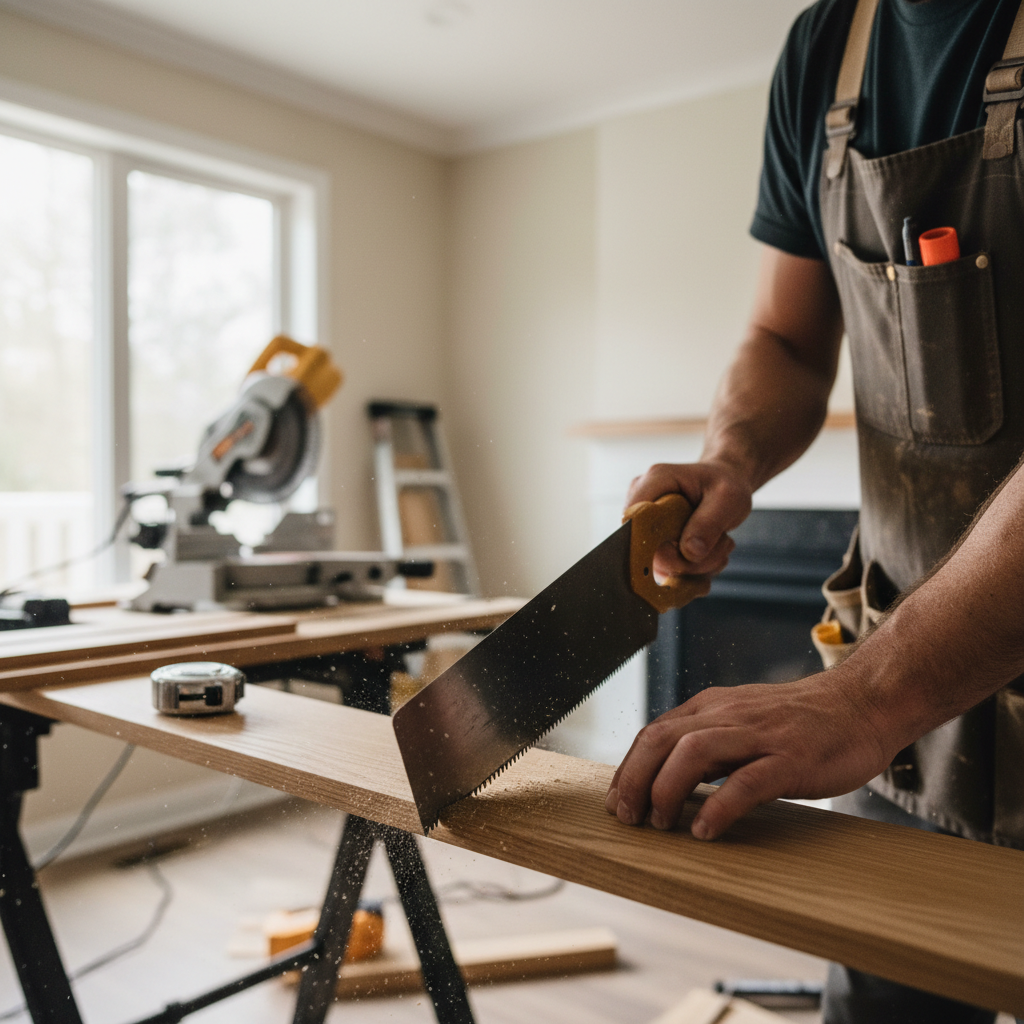
Myth 2: All Framing Materials Are the Same
Another common misconception is that all framing materials offer the same performance and durability. In reality, the choice of material significantly affects the strength and longevity of the structure. Wood, steel, and concrete are the most common materials, each with its own set of advantages and disadvantages.
Wood is often praised for its cost-effectiveness and ease of use. It is a renewable resource and provides good insulation. However, it can be susceptible to pests and moisture.
Steel offers superior strength and is resistant to pests and fire. It is ideal for buildings in areas prone to severe weather. On the downside, steel can be more expensive and harder to work with.

Myth 3: Framing Doesn't Affect Energy Efficiency
Some believe that the frame of a building has little impact on its energy efficiency. However, framing plays a significant role in determining how well a building retains heat or cool air. Poorly designed framing can lead to thermal bridging, where heat escapes through the frame, increasing energy costs.
Using advanced framing techniques and materials, builders can enhance a building's energy efficiency. Options like insulated wall panels and energy-efficient windows can minimize heat loss and improve overall performance.

Conclusion: The Importance of Professional Framing
Understanding these myths and the realities of construction framing underscores the importance of hiring skilled professionals for your building projects. Proper framing is not just about aesthetics; it's about ensuring the safety, durability, and efficiency of your structure.
By debunking these common myths, we hope to provide a clearer picture of what construction framing entails and its critical role in the building process. Whether you're planning a new build or a renovation, making informed decisions about framing materials and techniques can significantly impact your project's success.