
Comparing ADUs and Tiny Homes: Which Is Right for Your Property?


Understanding ADUs and Tiny Homes
As housing preferences evolve, many homeowners are exploring alternative living spaces like Accessory Dwelling Units (ADUs) and tiny homes. These options provide unique benefits, catering to various needs and lifestyles. But which one is right for your property? Understanding the differences can help you make an informed decision.
What Are ADUs?
ADUs, or Accessory Dwelling Units, are secondary housing units built on the same lot as a primary residence. They can be attached, detached, or converted from existing structures like garages. ADUs are often used to house extended family, provide rental income, or create a personal workspace.
One of the primary advantages of ADUs is their flexibility. They can be designed to blend seamlessly with the main home, maintaining the aesthetic appeal of the property. Additionally, ADUs often add significant value to the property, making them a worthwhile investment.
The Appeal of Tiny Homes
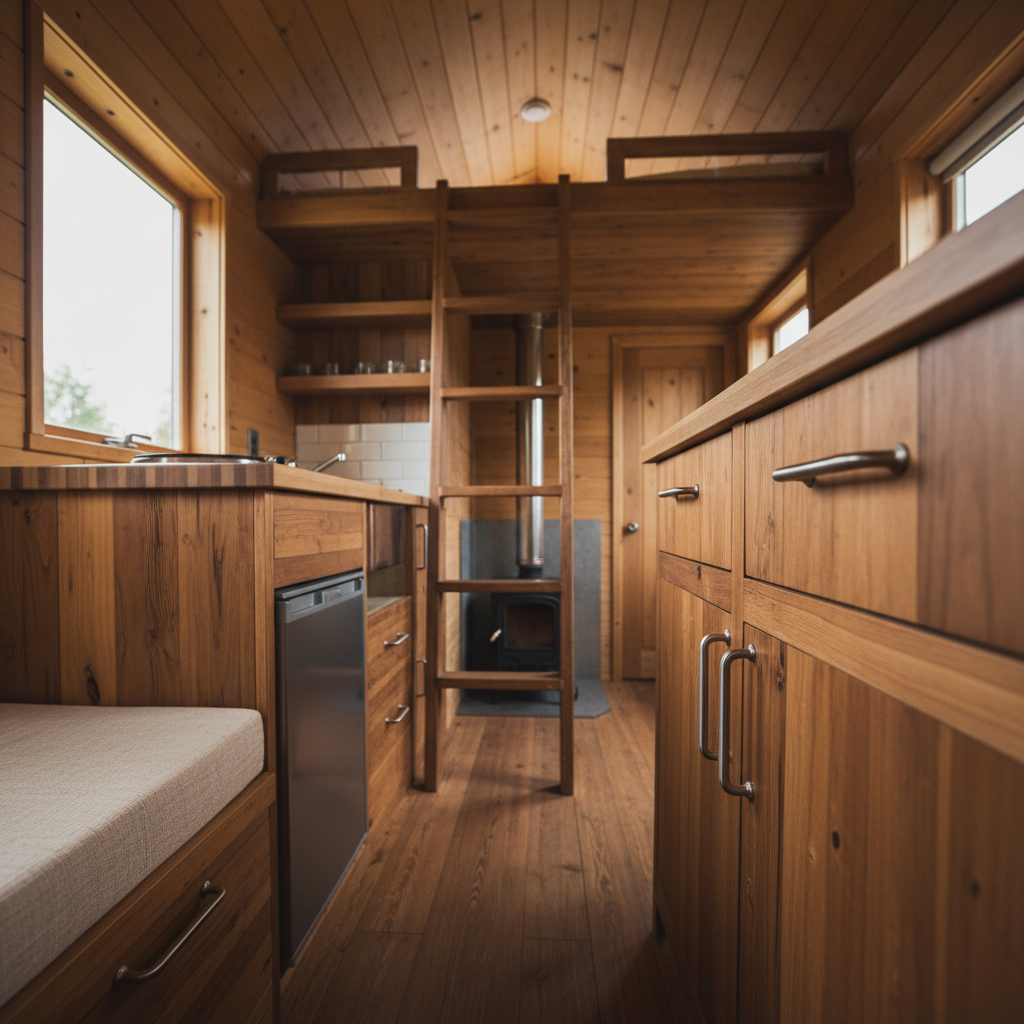
Tiny homes, on the other hand, are typically standalone structures that emphasize minimalism and efficient living. They generally range from 100 to 400 square feet and are designed to maximize space and functionality. Tiny homes are popular among those seeking a simpler lifestyle with fewer possessions.
One of the key benefits of tiny homes is their affordability. They usually cost less to build and maintain than traditional homes, making them an attractive option for budget-conscious buyers. Additionally, their small footprint is environmentally friendly, appealing to eco-conscious individuals.
Key Differences to Consider
When deciding between an ADU and a tiny home, consider the following differences:
- Space and Comfort: ADUs generally offer more space and comfort, making them suitable for long-term living. Tiny homes, while cozy, may not be ideal for everyone.
- Regulations: ADUs are subject to local zoning laws and building codes, which can vary significantly. Tiny homes, especially those on wheels, may face fewer restrictions but might not be permissible in all areas.
- Purpose: Consider your primary goal. If you seek rental income or a multi-generational living solution, an ADU might be ideal. For mobility or downsizing, a tiny home could be better.
Financial Considerations
Cost is a significant factor in choosing between an ADU and a tiny home. Building an ADU can be more expensive due to local regulations, infrastructure requirements, and integration with the existing property. However, the potential for rental income can offset these costs over time.

Tiny homes, being smaller and often mobile, have lower initial costs. However, financing can be a challenge since they may not qualify for traditional mortgages. Consider exploring alternative financing options or speaking with a financial advisor to determine the best approach.
Making the Right Choice
Ultimately, the decision between an ADU and a tiny home depends on your personal preferences, financial situation, and property characteristics. Evaluate the space available, your long-term goals, and any regulatory constraints before making a choice.
Both options offer unique advantages, catering to different lifestyles and needs. Whether you choose an ADU or a tiny home, embracing innovative living solutions can enhance your property value and enrich your living experience.