
Comparing Footings and Foundations: What You Need to Know


If you're planning a construction project, understanding the difference between footings and foundations is crucial. These elements are essential for the stability and longevity of any structure, providing support and ensuring safety. In this post, we'll explore the key differences, functions, and considerations for footings and foundations.
What Are Footings?
Footings are the base on which the foundation of a structure rests. They are typically made of concrete and are designed to distribute the weight of the structure evenly across the soil. The main purpose of footings is to prevent settling, which can lead to structural damage over time.
Footings are usually placed below the frost line to avoid any movement caused by freezing and thawing cycles. They must be constructed with precision to ensure they can support the weight of the building and withstand environmental conditions.
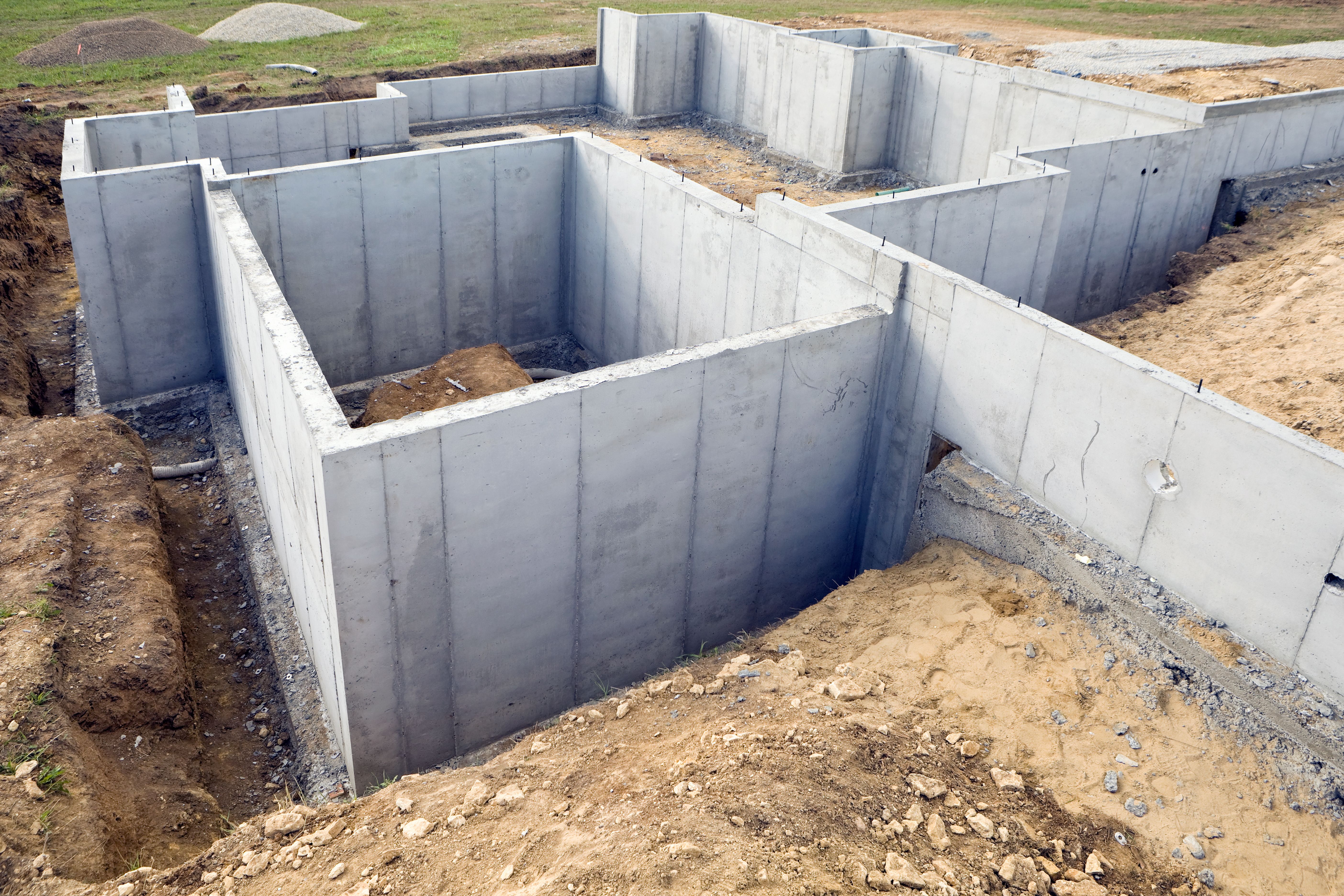
Types of Footings
There are several types of footings, each designed for specific purposes and soil conditions:
- Strip Footings: Used for load-bearing walls, distributing the weight evenly along the length of the wall.
- Pad Footings: Used for individual columns, providing support directly beneath structural columns.
- Raft Footings: A large concrete slab used when soil conditions are poor, spreading the load over a larger area.
Understanding Foundations
While footings serve as the base, foundations are the entire supporting structure below the building. Foundations transfer the load from the building to the footings and into the ground. They are crucial for maintaining structural integrity and resisting various forces such as wind and earthquakes.
Foundations can be constructed from materials like concrete, stone, or brick, depending on the project's requirements and budget. The choice of material and type of foundation depends on factors such as soil type, climate, and the size of the building.

Types of Foundations
There are several common types of foundations, each suited to different building needs:
- Shallow Foundations: Suitable for smaller, lighter structures. Includes slab-on-grade and crawl space foundations.
- Deep Foundations: Used for larger, heavier structures. Includes pile and drilled shaft foundations.
Key Considerations
When designing and constructing footings and foundations, several key considerations must be taken into account:
- Soil Analysis: Understanding soil conditions is vital for selecting the appropriate type of footing and foundation.
- Load-Bearing Capacity: The foundation must support the building's weight without excessive settlement.
- Environmental Factors: Consideration of local climate, water table, and potential environmental hazards.
Why Proper Design Matters
Proper design and construction of footings and foundations are critical to avoid structural issues and costly repairs. Poorly designed foundations can lead to problems like cracking, water infiltration, and even collapse in extreme cases.
Consulting with a structural engineer ensures that your footings and foundations are designed to meet local building codes and can withstand the specific challenges of your site.
In conclusion, understanding the roles and differences between footings and foundations is essential for any construction project. Proper planning and execution will ensure the safety, durability, and success of your building for years to come.