
Expert Tips for Effective Erosion Control in NC


Understanding Erosion Control in North Carolina
North Carolina's diverse landscape, from its mountains to its coast, presents unique challenges for erosion control. This geographical diversity requires tailored approaches to effectively manage soil erosion and protect the environment. Understanding the local climate and soil types is crucial for implementing successful erosion control strategies.
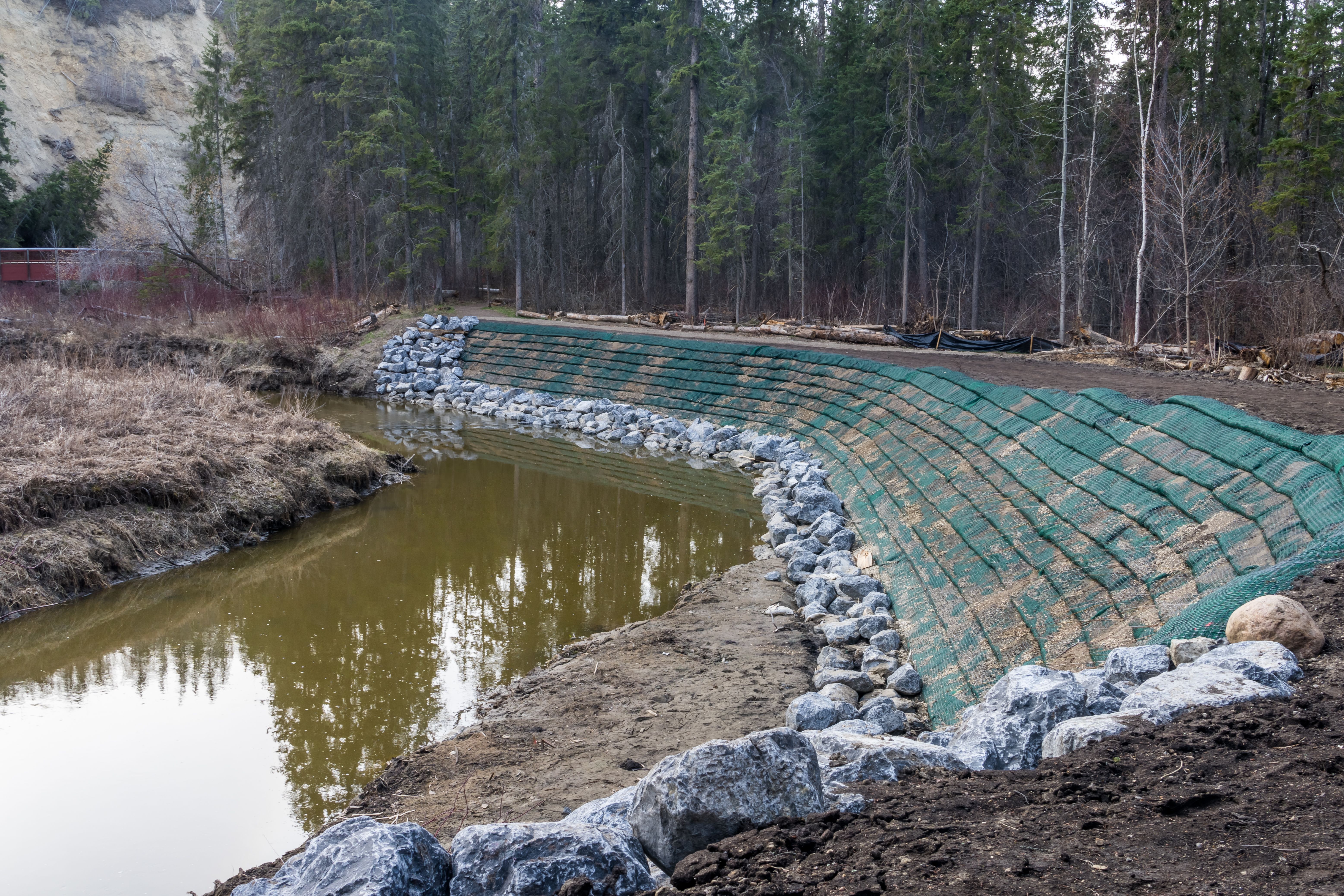
Implementing Vegetative Solutions
One of the most effective ways to control erosion is through vegetative solutions. Planting native grasses, shrubs, and trees can stabilize soil with their root systems. These plants not only reduce runoff but also enhance biodiversity. It's essential to choose species that are well-adapted to the local climate and soil conditions.
For steep slopes, consider using ground cover plants that spread quickly and provide dense foliage. This can prevent soil displacement even during heavy rains. Additionally, cover crops can be used in agricultural settings to protect and enrich the soil during off-season periods.
Structural Practices for Erosion Control
In areas where vegetation alone isn't enough, structural solutions may be necessary. Silt fences, retaining walls, and terracing are common methods used to manage erosion on construction sites and steep landscapes. These structures help slow down water flow and capture sediment, preventing it from washing away.
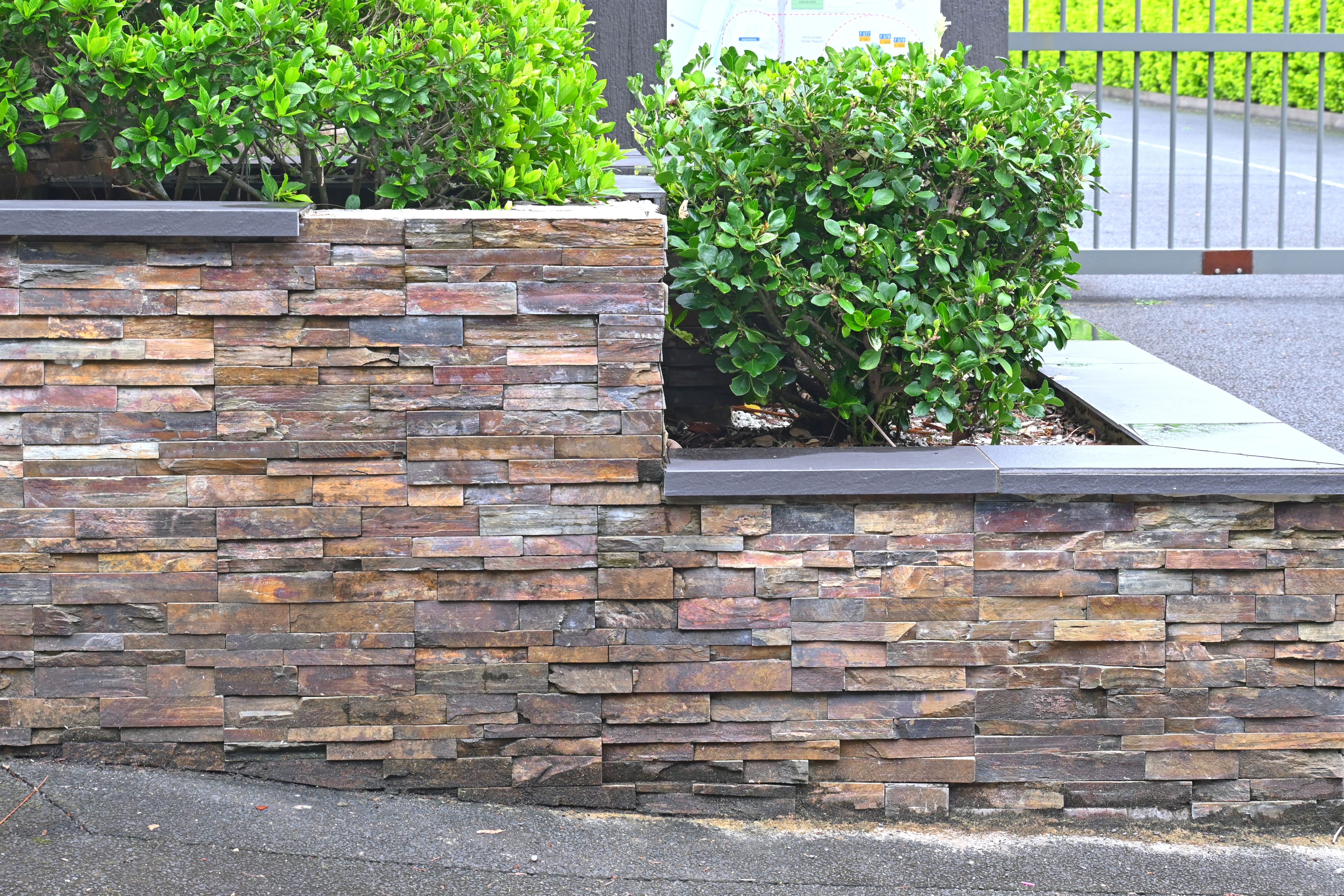
When installing structural solutions, it's vital to ensure proper design and maintenance. Poorly constructed barriers can fail during extreme weather events, leading to increased erosion and environmental damage.
The Role of Mulching and Ground Covers
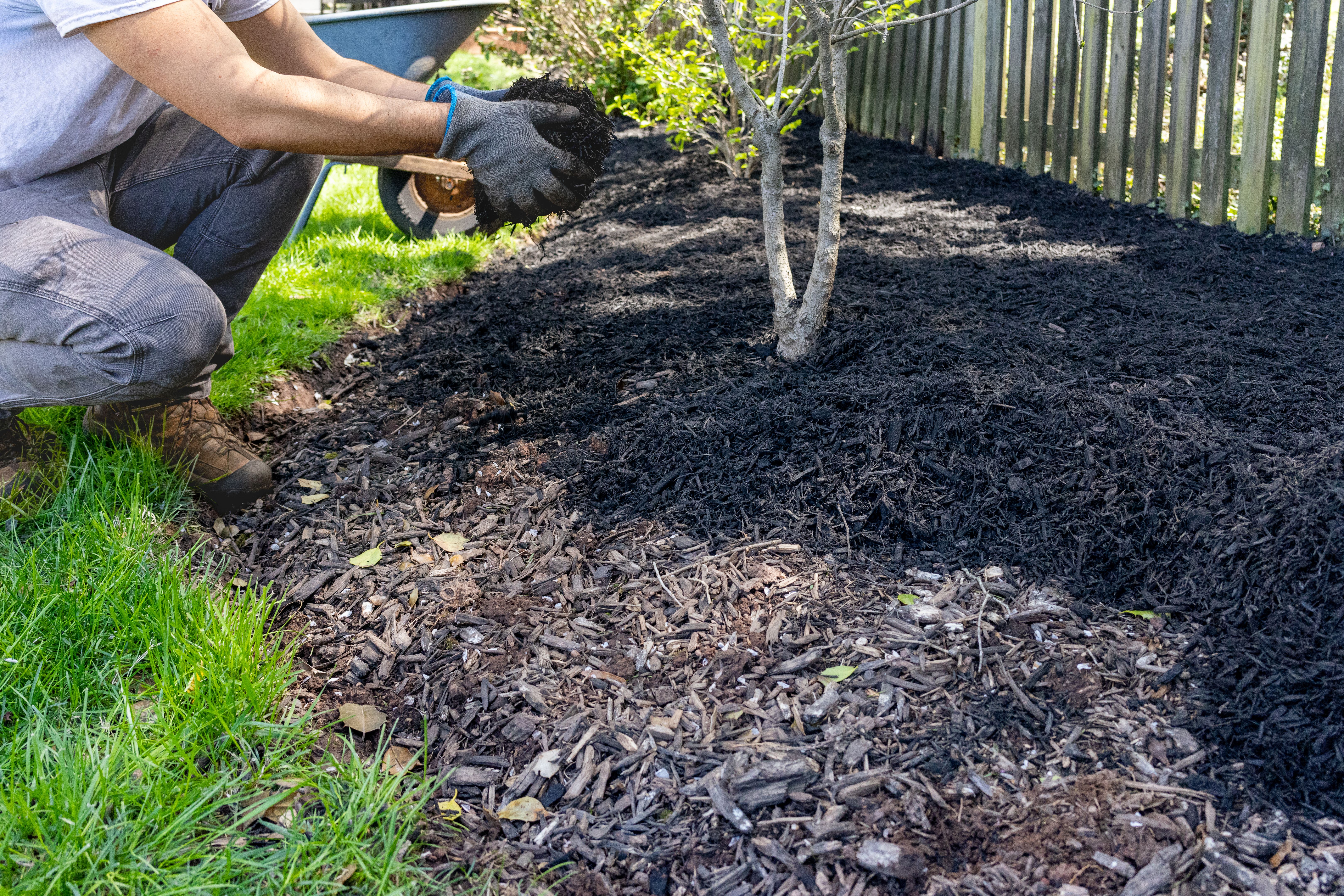
Mulching is a simple yet effective technique for controlling erosion. By covering the soil with organic or synthetic materials, you can reduce the impact of rainfall and prevent soil erosion. Mulch also helps retain moisture and regulate soil temperature, promoting healthier plant growth.
Using a combination of mulch and ground cover plants can enhance the stability of the soil, especially on gentle slopes. This method is particularly effective in residential gardens and small-scale landscapes.
Community Involvement and Education
Engaging local communities in erosion control efforts is crucial for long-term success. Educational programs can raise awareness about the importance of erosion control and encourage residents to adopt sustainable practices. Workshops, demonstrations, and collaborative projects can foster community involvement and drive positive change.
By working together, communities can implement large-scale solutions that benefit both the environment and the people who depend on it.
Monitoring and Maintenance
Effective erosion control requires ongoing monitoring and maintenance. Regular inspections can identify potential issues before they become significant problems. Addressing minor erosion early can prevent costly repairs and environmental damage.
Establishing a maintenance schedule for both vegetative and structural solutions ensures they continue to function effectively. Adjustments may be necessary over time as landscapes and environmental conditions change.
Conclusion
In summary, effective erosion control in North Carolina involves a combination of vegetative and structural practices, community involvement, and ongoing maintenance. By implementing tailored solutions and raising awareness, we can protect our landscapes and contribute to a healthier environment. With these expert tips, you can take proactive steps to combat erosion and preserve the natural beauty of North Carolina.