
Forestry Mulching vs. Traditional Land Clearing: What’s Best for Your Property?


Understanding Forestry Mulching
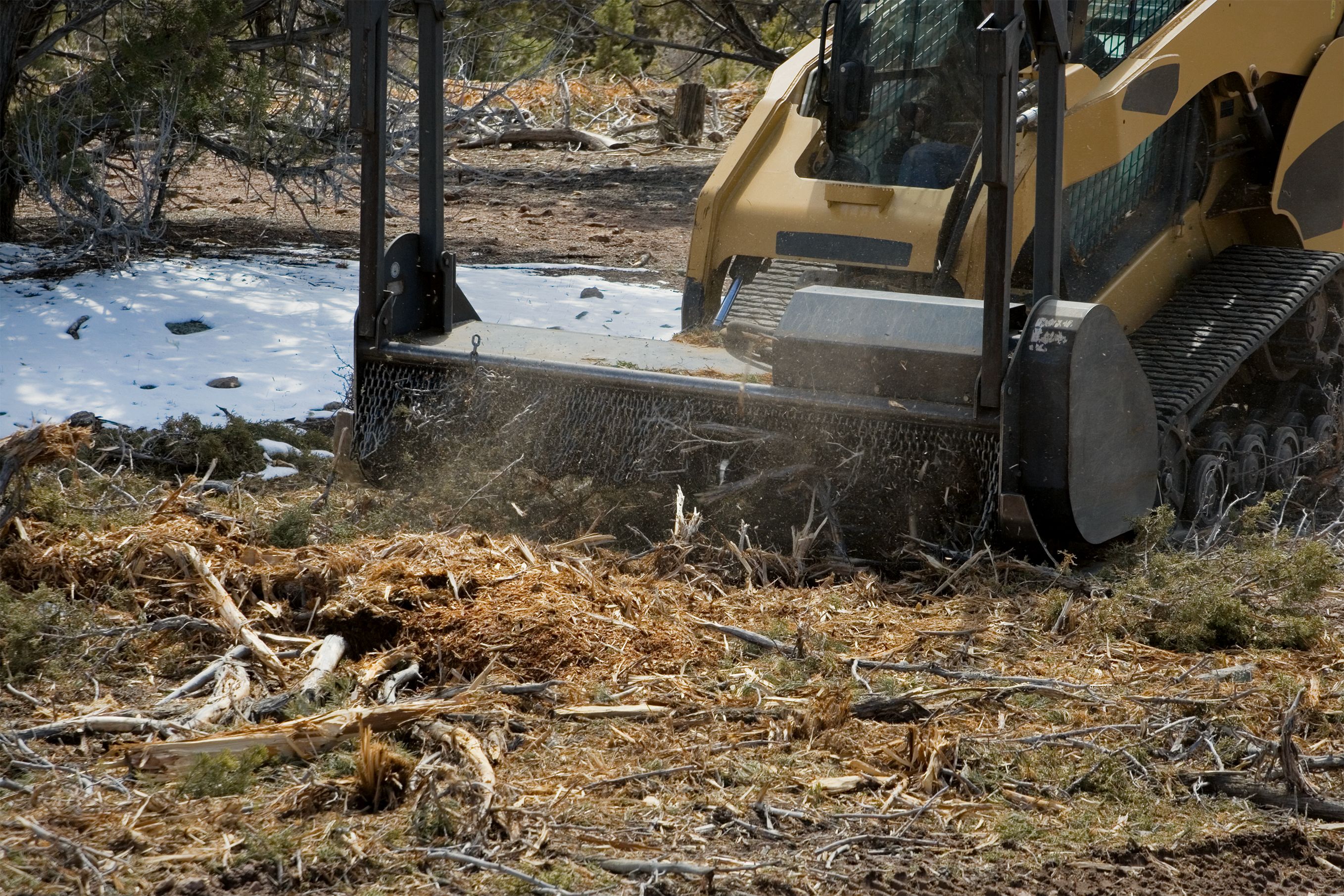
Forestry mulching is an innovative method of land clearing that involves using a single machine to cut, grind, and clear vegetation. This process converts trees, shrubs, and other vegetation into mulch on the spot. It’s a popular choice for landowners looking to clear land efficiently while maintaining environmental integrity.
One of the key benefits of forestry mulching is its minimal environmental impact. By leaving behind a layer of mulch, this method helps prevent soil erosion, enhances soil quality, and reduces the need for additional landscaping.
Cost-Effectiveness and Efficiency
Forestry mulching can be more cost-effective than traditional methods, primarily because it requires less machinery and labor. The process is quick, allowing for large areas to be cleared in a short amount of time, which can significantly reduce overall project costs.
Additionally, since the mulch is left on the ground, there’s no need for debris removal. This not only saves money but also time, making it an attractive option for many property owners.
Exploring Traditional Land Clearing
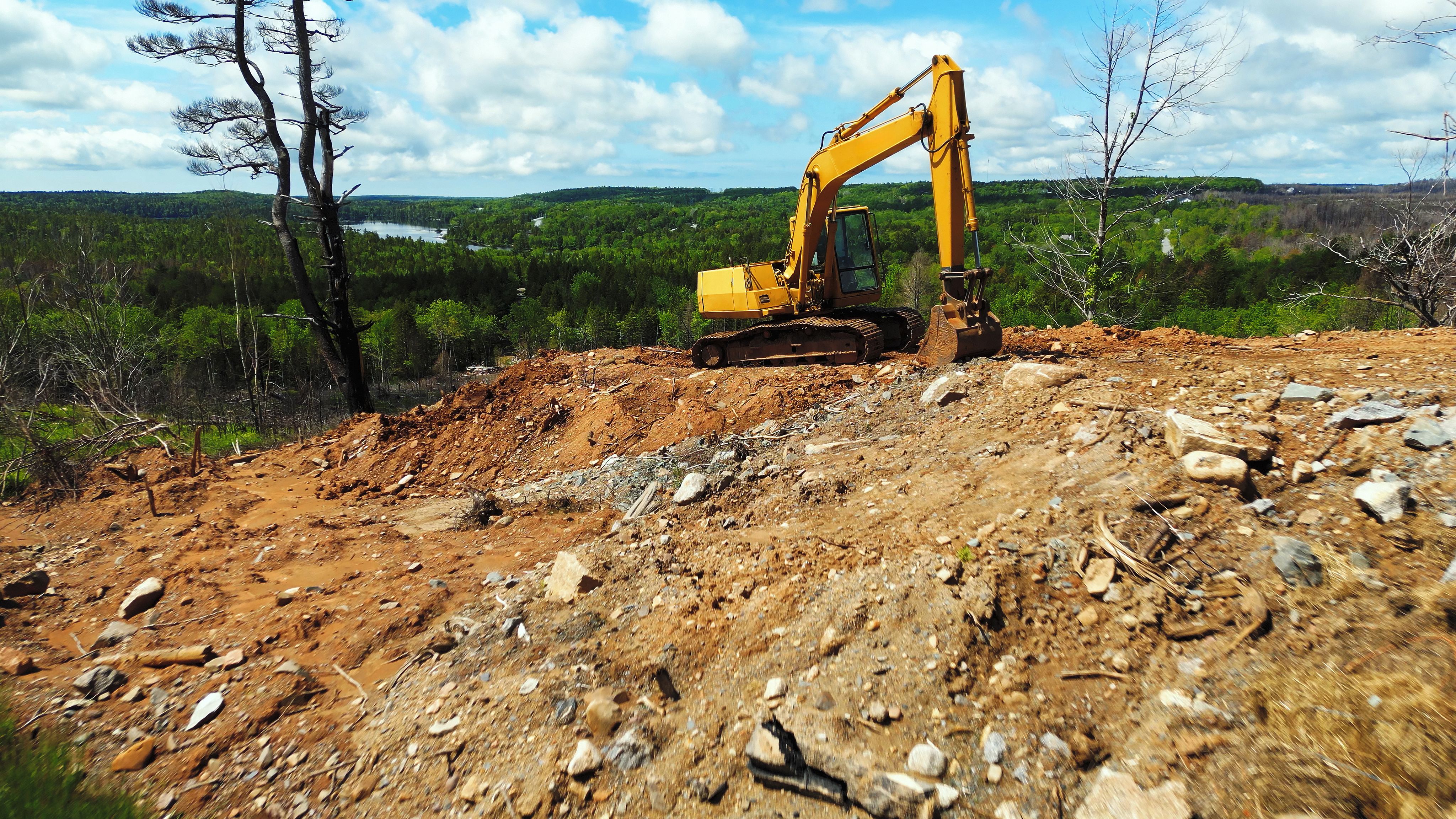
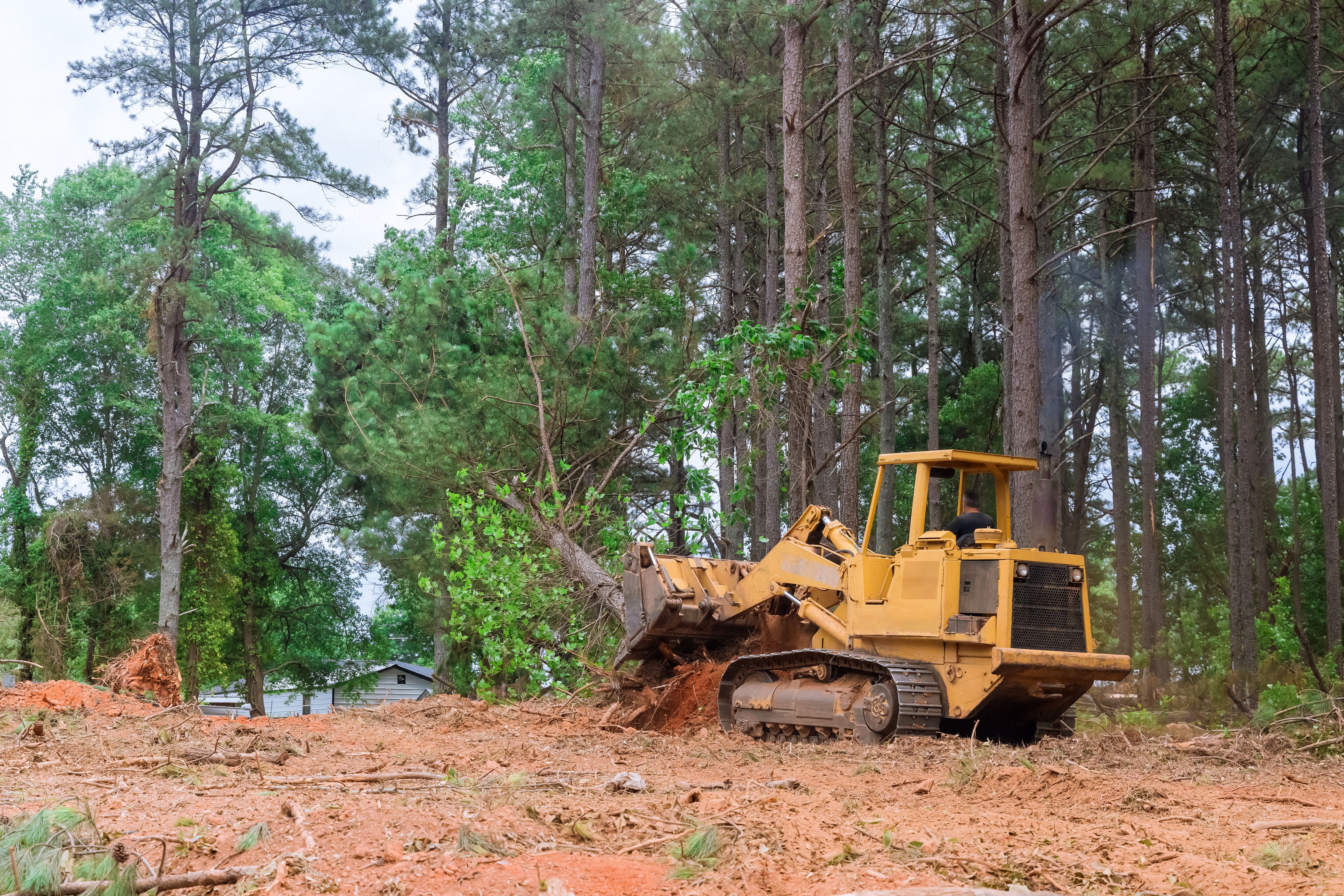
Traditional land clearing involves multiple steps and machinery to remove trees, stumps, and vegetation. This typically includes bulldozers, excavators, and other heavy equipment. While effective, this method can be more disruptive to the environment.
One of the main advantages of traditional land clearing is its ability to completely remove vegetation, which might be necessary for certain types of construction projects. It provides a clean slate, ready for development or farming.
Environmental Considerations
While traditional land clearing is effective, it can lead to soil erosion and habitat destruction. The removal of trees and plants can disturb the local ecosystem, potentially affecting wildlife and soil health. This method often requires additional measures to restore the land post-clearing.
Landowners should weigh these environmental impacts against their project needs to determine the best approach for their specific situation.
Making the Right Choice for Your Property
Choosing between forestry mulching and traditional land clearing depends on various factors, including the size of the area, the purpose of the land, and budget considerations. Each method has its own set of benefits and drawbacks that need to be carefully evaluated.
- Project Goals: Determine what you want to achieve with the land. Mulching is great for maintaining soil integrity, while traditional clearing is better for complete removal.
- Environmental Impact: Consider how important minimizing environmental disruption is to you.
- Budget: Assess the costs involved with each method, including potential long-term environmental rehabilitation.
Conclusion
Both forestry mulching and traditional land clearing offer unique advantages that can suit different property needs. Understanding the differences and implications of each method will help you make an informed decision that aligns with your property goals and values.
Consulting with professionals can also provide insights tailored to your specific situation, ensuring the land clearing process enhances rather than hinders your property’s potential.