
Forestry Mulching vs. Traditional Land Clearing: What You Need to Know


When it comes to land management, choosing the right method can significantly impact both the environment and your project's efficiency. Two popular techniques are forestry mulching and traditional land clearing. Understanding the differences between these methods is crucial for making an informed decision.
What is Forestry Mulching?
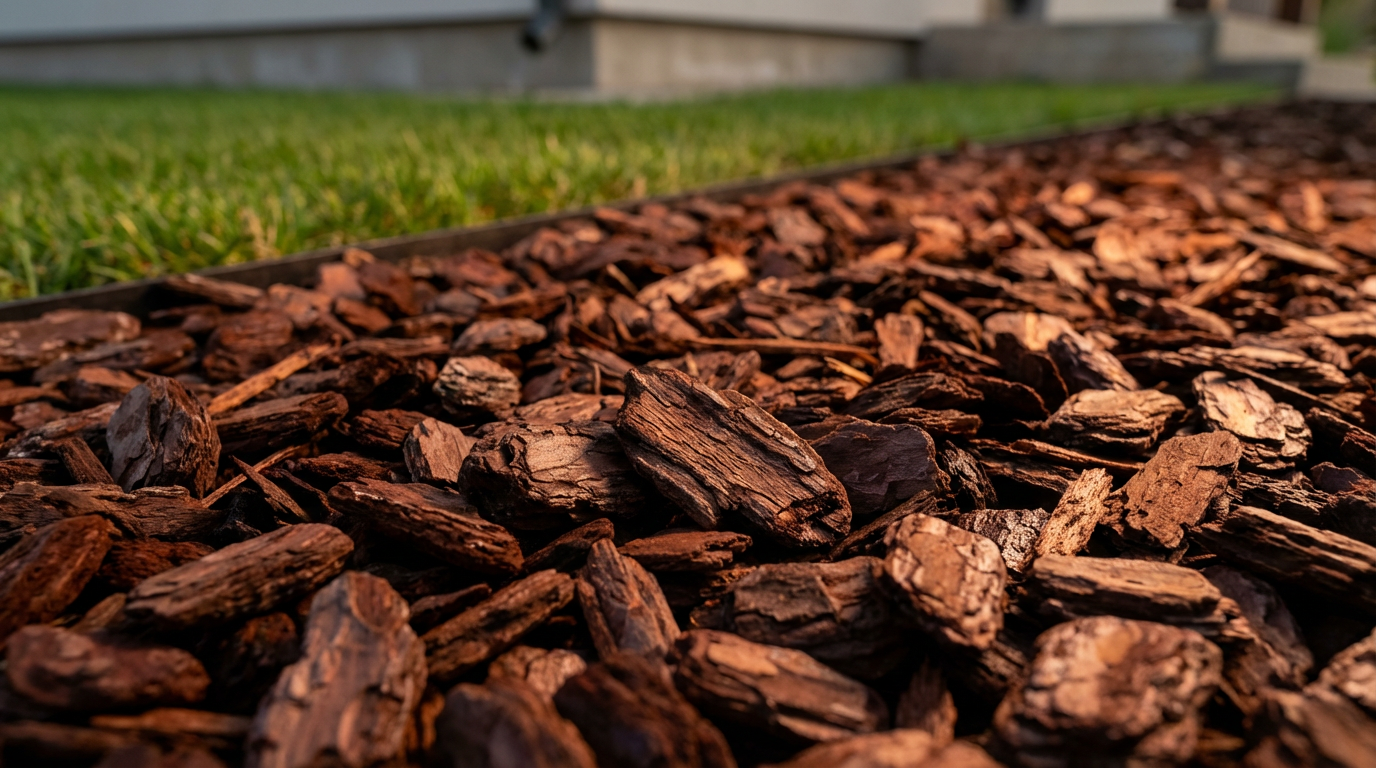
Forestry mulching involves using a single machine to cut, grind, and clear vegetation. This method is becoming increasingly popular due to its efficiency and minimal environmental impact. The machine mulches trees and brush in place, turning them into a nutrient-rich layer of mulch that covers the soil.
Benefits of Forestry Mulching
One of the primary advantages of forestry mulching is its eco-friendliness. It reduces soil erosion, encourages healthy soil by returning nutrients, and eliminates the need for burning or hauling away debris. Additionally, this method is often quicker and more cost-effective, as it requires less manpower and fewer machines.
Traditional Land Clearing Explained
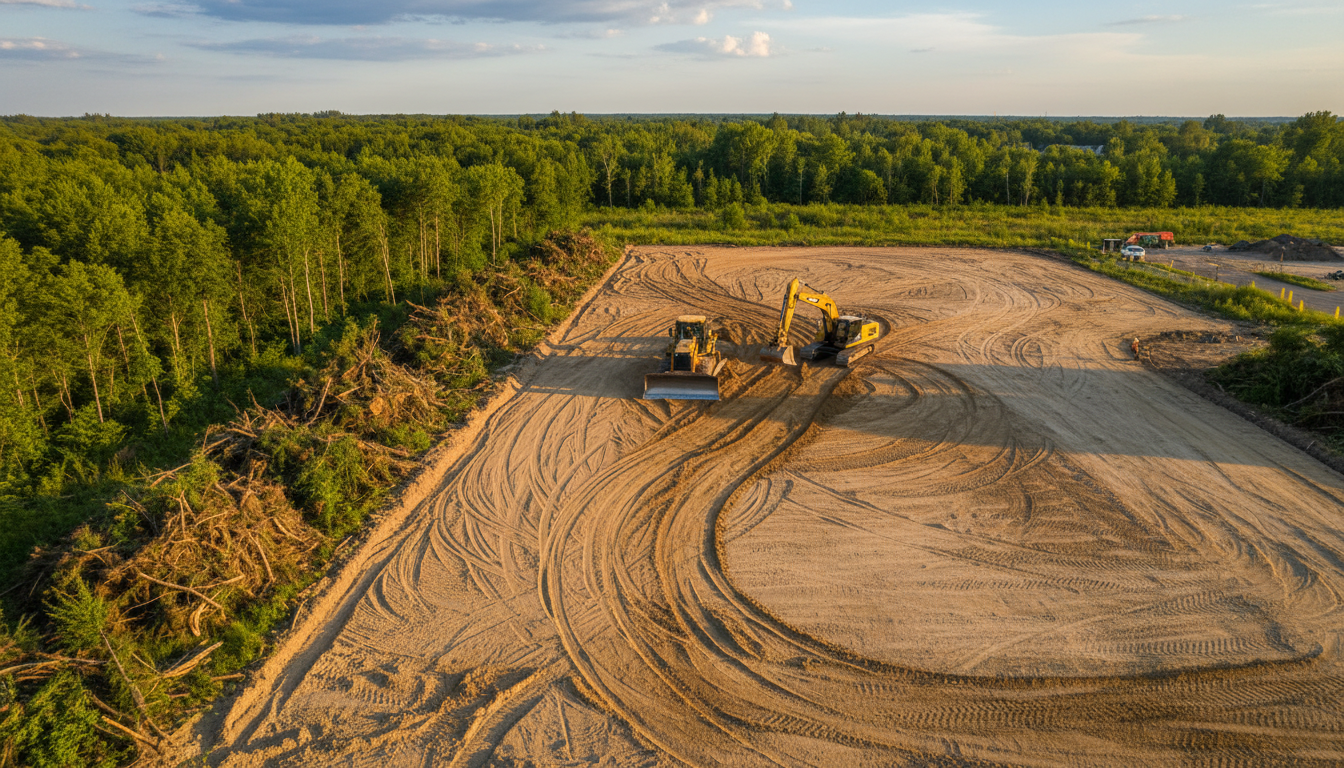
Traditional land clearing typically involves using multiple machines to cut down trees, remove stumps, and haul away debris. This method is more labor-intensive and can significantly alter the landscape. It may involve bulldozers, excavators, and chainsaws working in tandem.
Pros and Cons of Traditional Land Clearing
While traditional land clearing is effective for preparing land for construction and agriculture, it can have a more significant environmental impact. The removal of vegetation can lead to increased erosion and loss of soil fertility. However, it might be necessary for projects requiring total tree removal and land leveling.

Comparing Costs
Cost is a significant factor in choosing between forestry mulching and traditional land clearing. Forestry mulching is generally less expensive because it involves fewer machines and personnel. Traditional clearing can incur higher costs due to the equipment and labor required.
Environmental Impact
Forestry mulching is considered more environmentally friendly. It preserves the topsoil and enhances the land by leaving a protective layer of mulch. In contrast, traditional land clearing can disrupt the ecosystem, removing habitats and disrupting wildlife.
Choosing the Right Method for Your Project
The choice between forestry mulching and traditional land clearing depends on your project's specific needs. Consider factors such as the size of the area, the type of vegetation, and your environmental goals. Consulting with a land management professional can also provide valuable insights.
In conclusion, both forestry mulching and traditional land clearing have their unique advantages and applications. By weighing the benefits and drawbacks of each method, you can choose the approach that best aligns with your project goals and environmental considerations.