
Framing in Construction: Techniques and Tips from the Pros


Framing is a crucial part of construction that involves creating the skeleton of a building, ensuring that it is structurally sound and ready for further development. Whether you're a seasoned builder or a DIY enthusiast, understanding the techniques and tips from the pros can significantly enhance the quality of your work.
Understanding the Basics of Framing
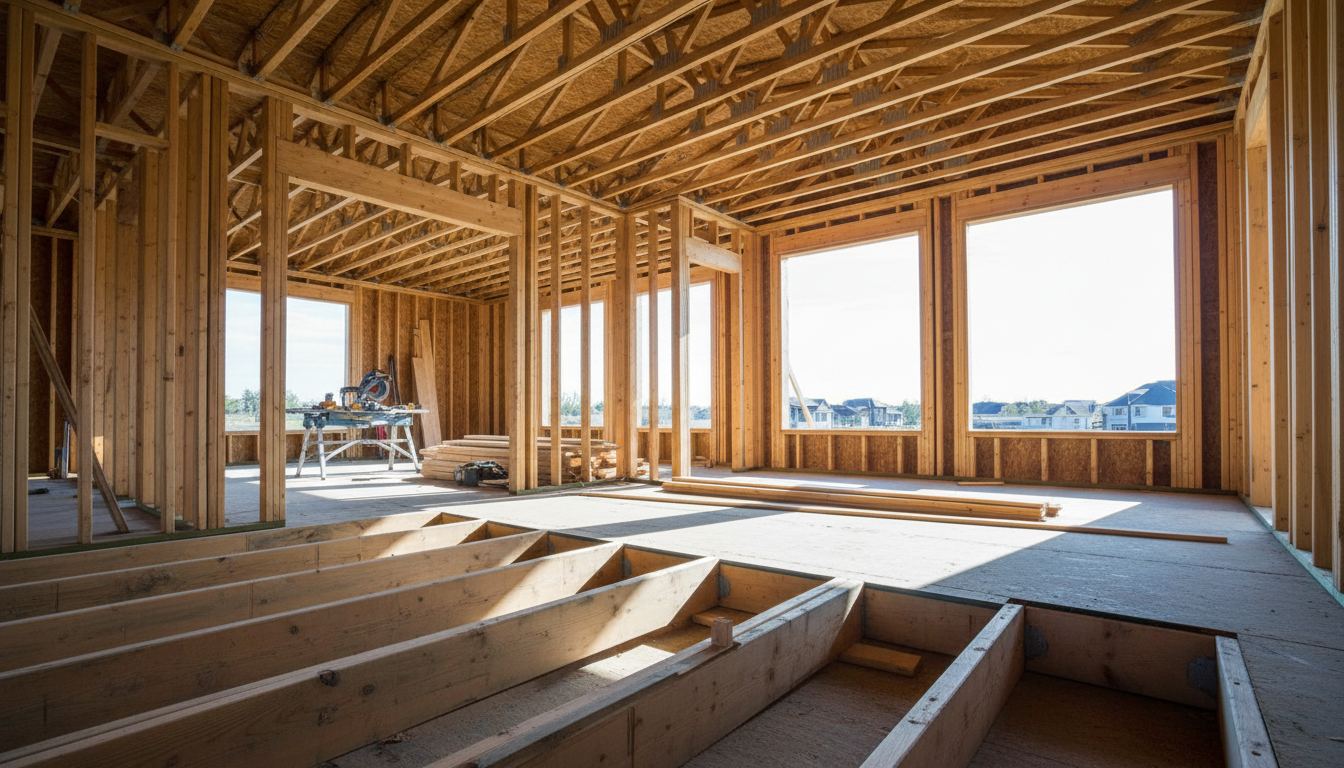
Framing in construction refers to the process of assembling the major structural elements of a building. This includes walls, floors, and roofs. The materials used are typically wood or steel, depending on the project requirements and local building codes. Mastering framing is essential for creating a durable and safe structure.
Proper planning is the first step in any framing project. Before you begin, ensure that you have accurate measurements and a clear blueprint. This will guide you in cutting the materials to the right dimensions and ensure that everything fits together seamlessly.
Tools of the Trade
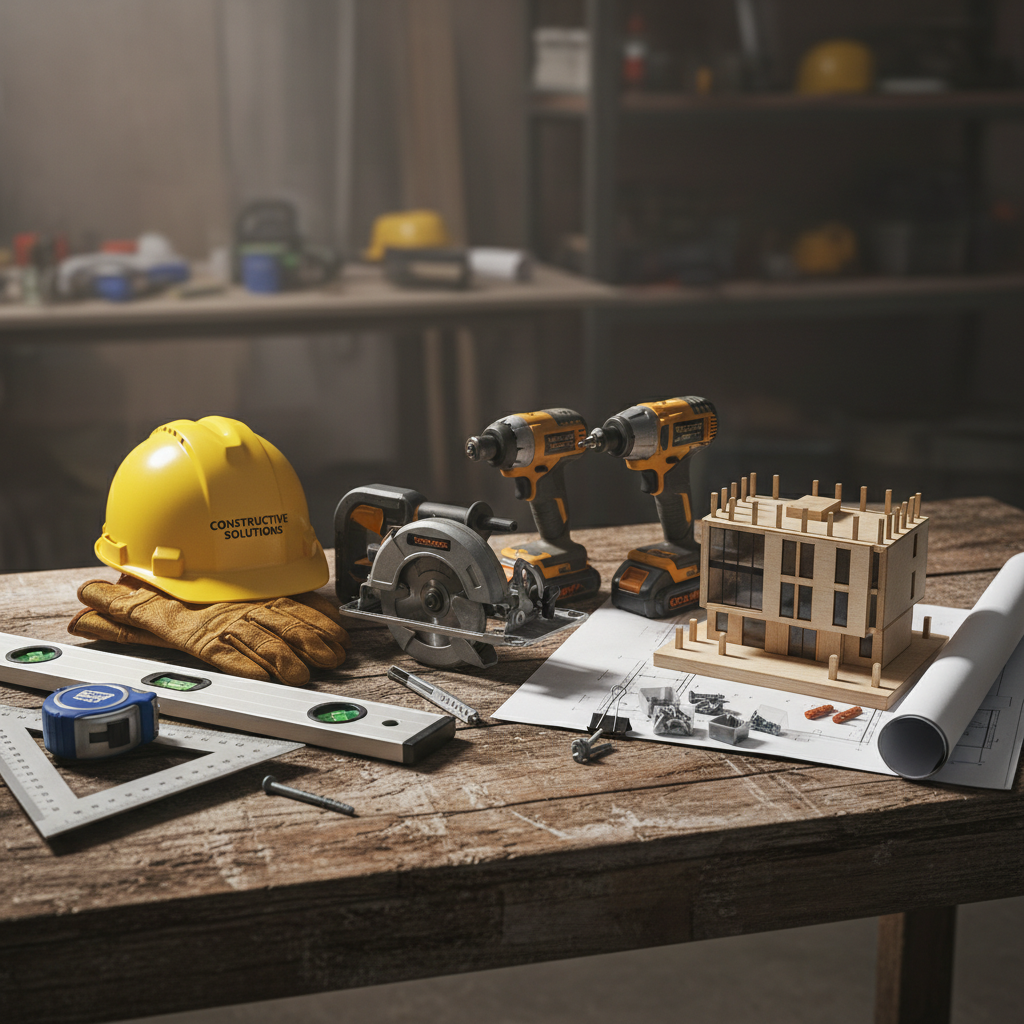
Having the right tools can make all the difference. Some essential tools include a hammer, saw, tape measure, level, and framing square. Additionally, power tools like nail guns can speed up the process and provide more precise results. Investing in quality tools can save time and improve the overall quality of your work.
Key Framing Techniques
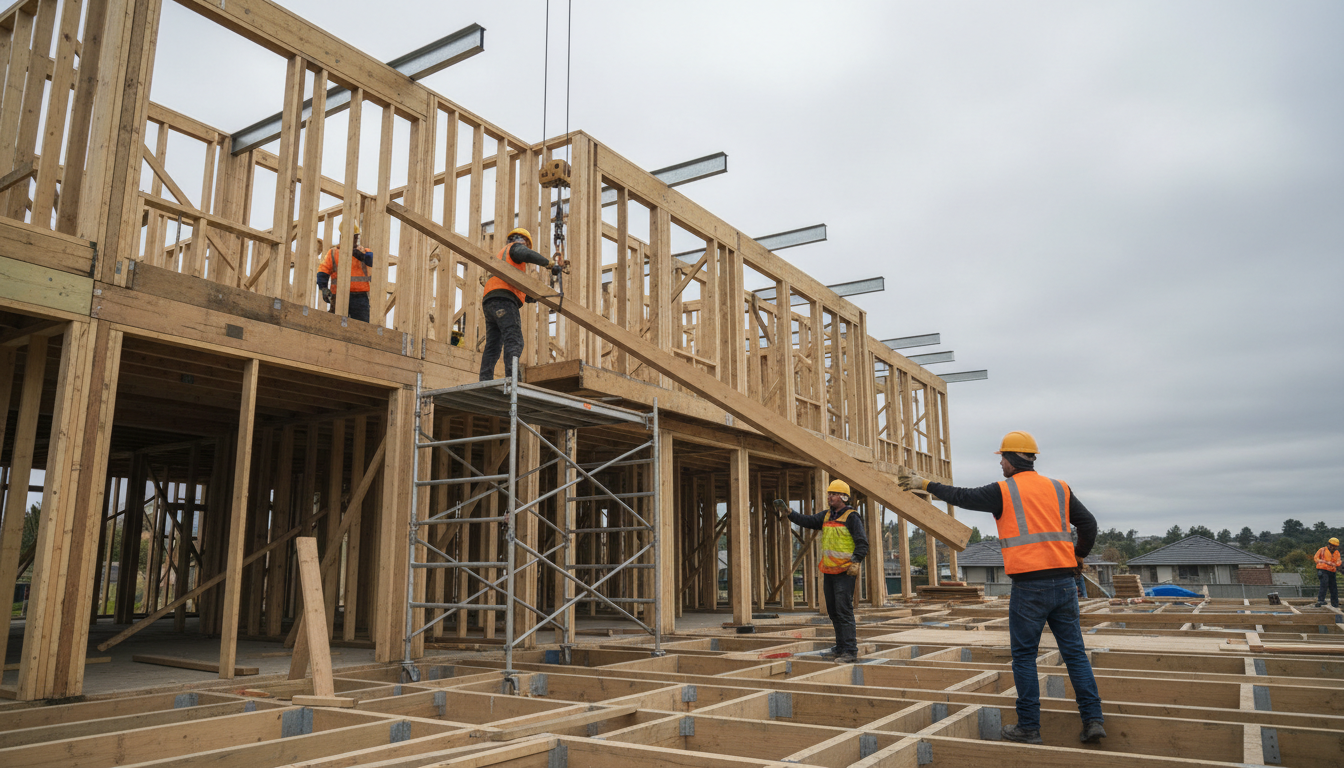
Several techniques are commonly used in framing, each with its own set of advantages. Platform framing is one of the most popular methods, where each floor is framed separately, allowing for easy access and adjustments during construction. Balloon framing is another technique, although less common, where the walls are framed from the foundation to the roof without breaks.
Bracing is an important technique that ensures stability and strength. It involves adding diagonal supports to prevent the structure from swaying or collapsing under pressure. Proper bracing is especially crucial in areas prone to high winds or seismic activity.
Common Mistakes and How to Avoid Them
One common mistake in framing is neglecting to check for level and plumb. This can lead to uneven structures that may compromise the building's integrity. Always use a level and ensure that all elements are perfectly aligned before securing them in place.
Another mistake is using incorrect fasteners or failing to follow local building codes. It's essential to use the right size and type of nails or screws for each application. Familiarize yourself with local regulations to ensure compliance and avoid costly rework.
Tips from the Pros
Experienced builders recommend starting with a solid foundation. Ensure that the base is level and properly cured before beginning the framing process. This sets the stage for everything that follows and can prevent a host of issues down the line.
Another tip is to work in a systematic manner, completing one section at a time. This approach allows for better focus and reduces the chances of oversight. Regularly review your plans and measurements to ensure accuracy and alignment with the overall design.
Conclusion
Framing is a vital step in the construction process that requires precision, skill, and attention to detail. By understanding the techniques and tips from the pros, you can achieve a high-quality structure that stands the test of time. Whether you're working on a small project or a large-scale build, applying these principles will enhance your craftsmanship and ensure success.