
Framing vs. Siding: Understanding Key Differences for Your Construction Project


Introduction to Framing and Siding
In the world of construction, understanding the distinct roles of framing and siding is crucial for the success of any project. Both components are essential, yet they serve entirely different purposes. This blog post will delve into the key differences between framing and siding, helping you make informed decisions for your construction project.
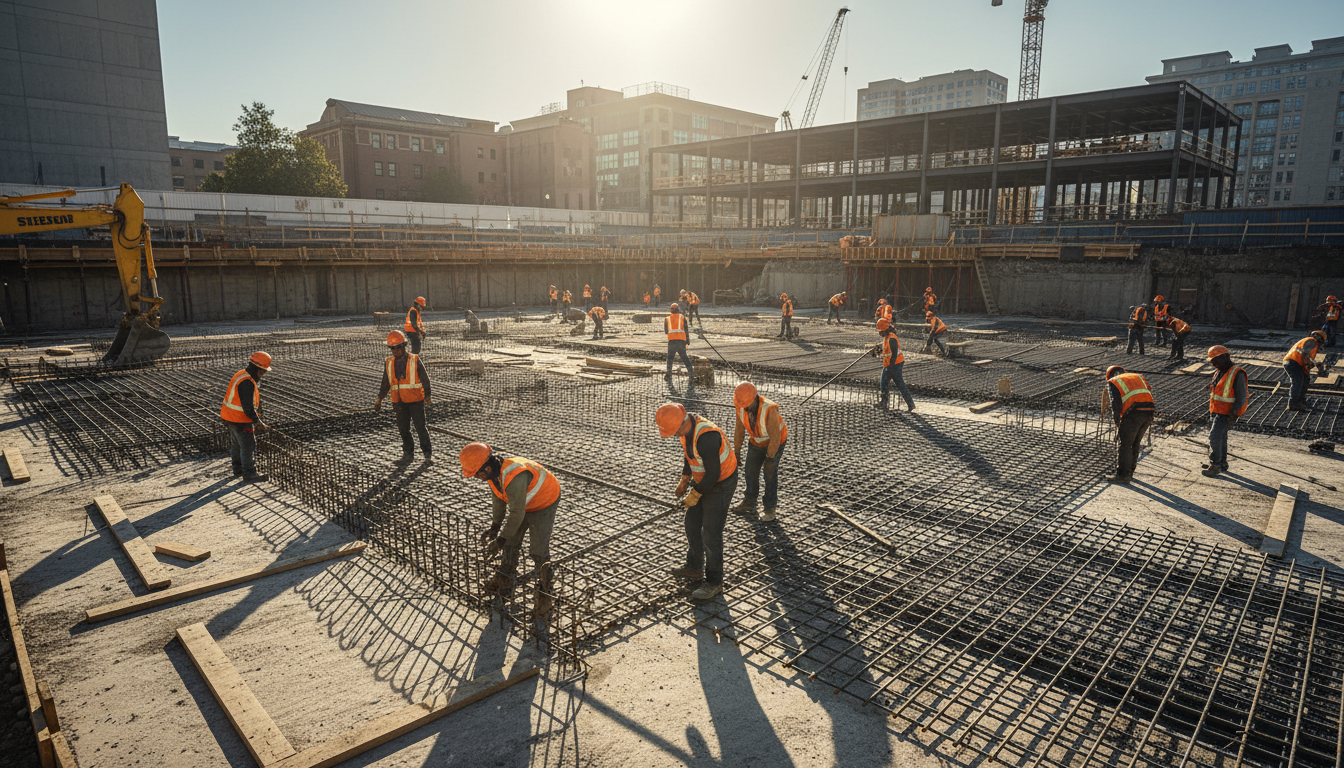
What is Framing?
Framing is the backbone of any building. It involves constructing the structural support system that defines the shape and strength of your project. Typically made from wood or metal, framing includes the creation of walls, floors, and roofs, providing the skeleton around which the entire structure is built.
Types of Framing
There are several types of framing, including:
- Platform Framing: The most common type used in residential construction, where each floor is built separately.
- Balloon Framing: An older method where the walls are continuous from the foundation to the roof.
- Timber Framing: Utilizes heavy timbers and is often seen in traditional or historical buildings.
Understanding Siding
While framing provides the structure, siding is the protective layer that covers the exterior of a building. Its primary functions are to shield the building from weather conditions and to enhance its aesthetic appeal. Siding materials range from wood and vinyl to fiber cement and metal.
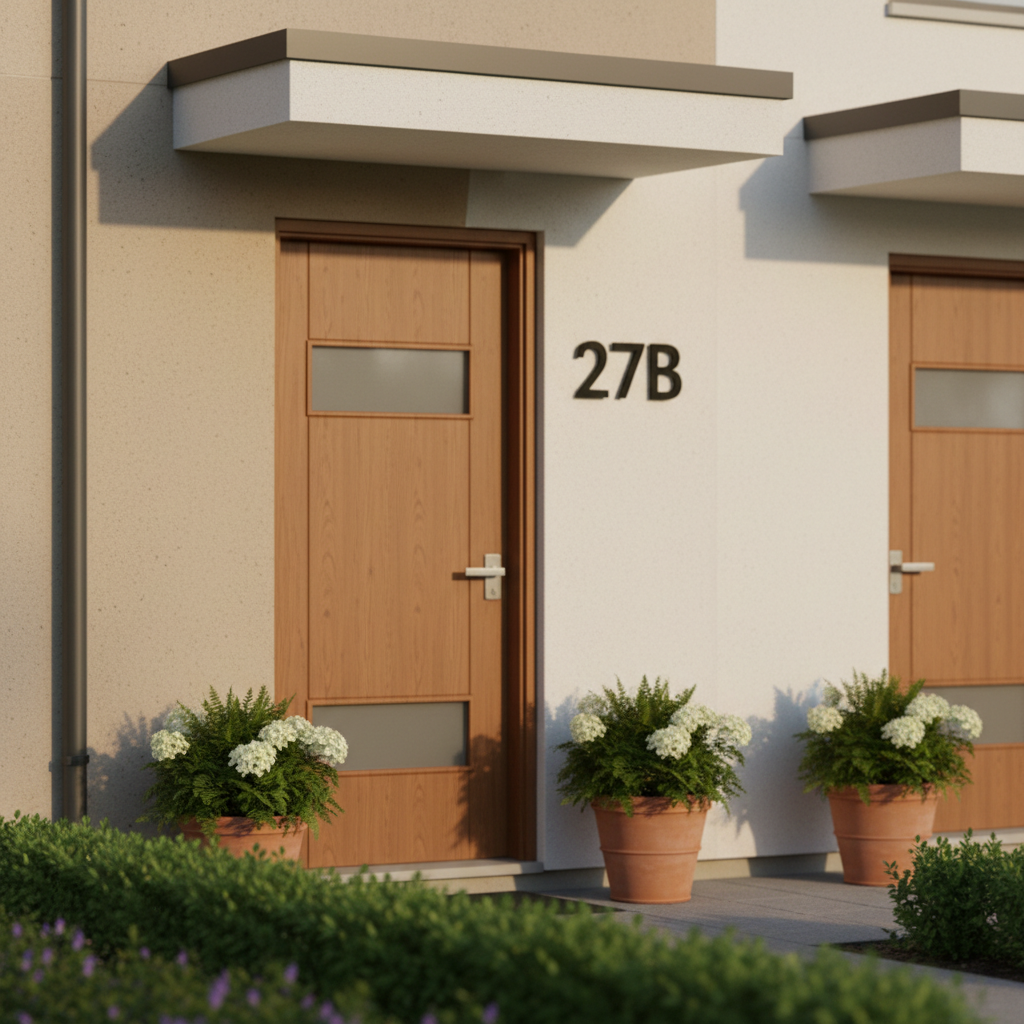
Benefits of Siding
Siding offers several benefits, including:
- Weather Protection: Siding acts as a barrier against rain, wind, and temperature fluctuations.
- Insulation: Some siding materials provide an extra layer of insulation, improving energy efficiency.
- Curb Appeal: With various styles and colors available, siding can significantly enhance a building's appearance.
Key Differences Between Framing and Siding
While both framing and siding are essential, they serve different purposes. Framing is focused on structural integrity, while siding is concerned with protection and aesthetics. Understanding these roles is vital for anyone involved in construction.
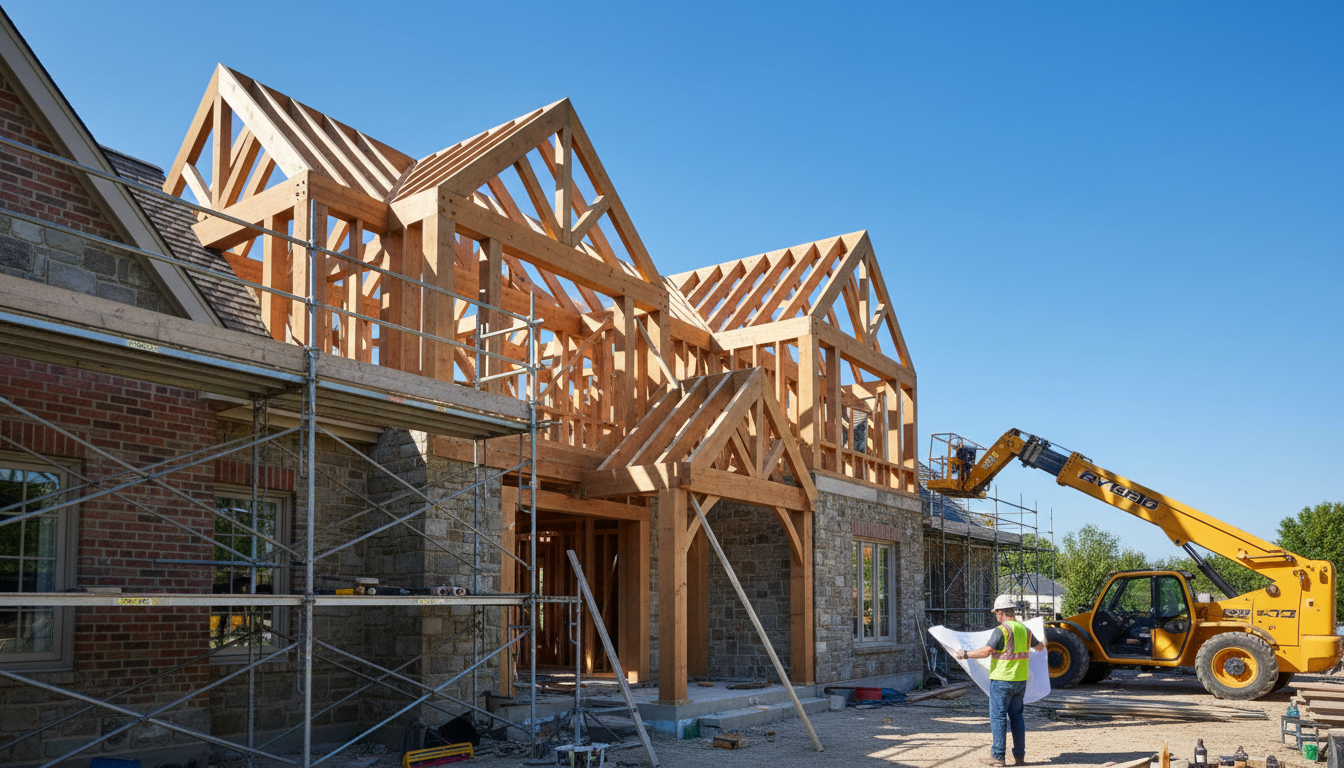
Integration in Construction Projects
Framing and siding must be carefully integrated in any construction project. Proper planning ensures that the framing provides a strong foundation for the siding to attach to, allowing both to function effectively. Coordination between these two elements is crucial for the overall success of the build.
Conclusion
Whether you're starting a new construction project or renovating an existing structure, understanding the differences between framing and siding is essential. By recognizing their unique roles and benefits, you can ensure a successful and efficient building process. Remember, both components are crucial in creating a durable, functional, and aesthetically pleasing structure.