
How Forestry Mulching Helps in Sustainable Land Management


Understanding Forestry Mulching
Forestry mulching is a land management technique that involves using specialized machinery to clear and grind vegetation, leaving behind a layer of organic mulch. This process is an effective and efficient way to manage large areas of land, especially in areas that require quick vegetation clearance. By converting unwanted trees and underbrush into mulch, this method promotes healthier soil and supports sustainable land management practices.
Benefits of Forestry Mulching
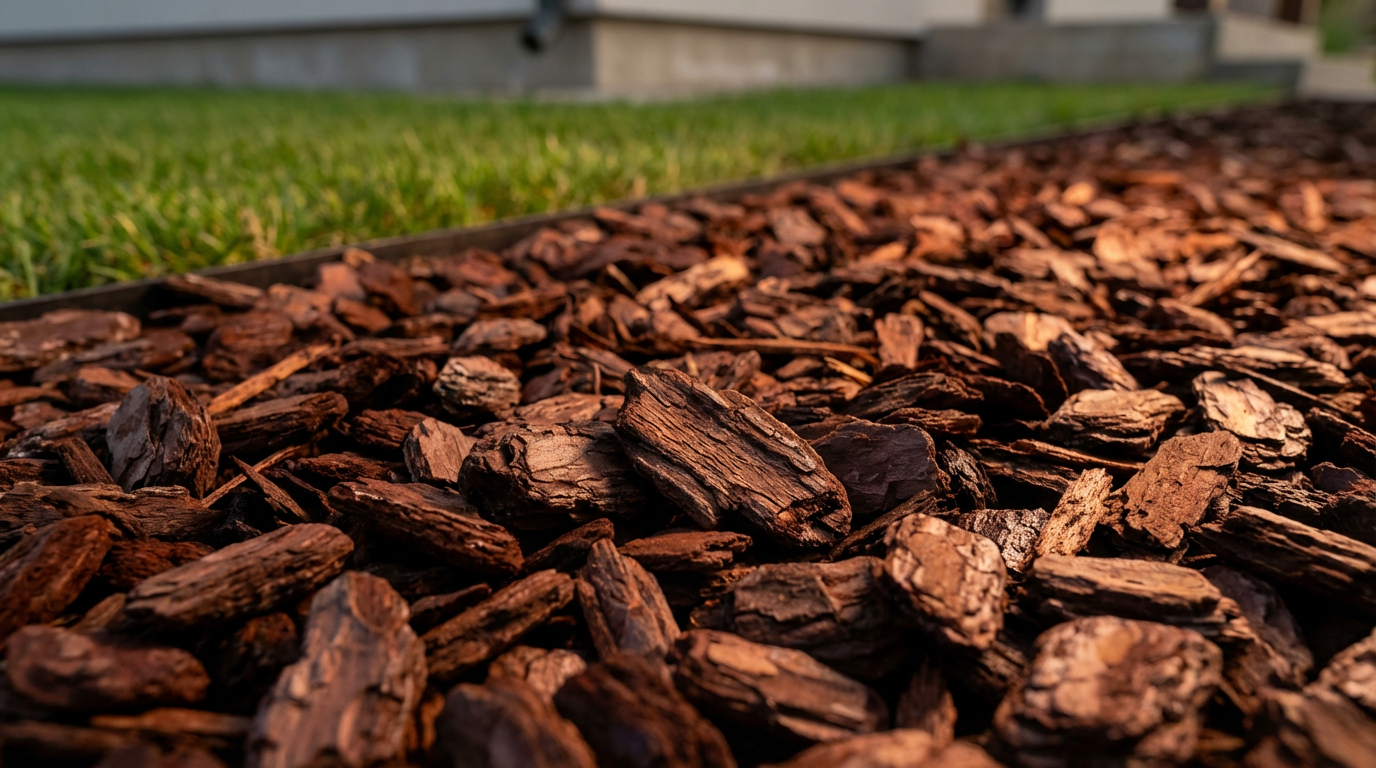
One of the primary benefits of forestry mulching is its ability to improve soil health. The mulch left behind acts as a natural fertilizer, enriching the soil with nutrients as it decomposes. This nutrient-rich layer also helps retain moisture, reducing the need for additional irrigation. Moreover, by keeping the soil covered, mulching minimizes erosion and prevents the growth of invasive plant species, promoting a more balanced ecosystem.
Another significant advantage is the reduction of waste. Traditional land clearing methods often involve removing vegetation and transporting it off-site, which can be costly and environmentally damaging. Forestry mulching eliminates this step by repurposing the biomass on-site, reducing carbon emissions associated with transportation and disposal.
Applications in Land Management
Forestry mulching is particularly useful in various land management applications. It is often employed in wildfire prevention by removing excess fuel from forested areas, reducing the risk of uncontrolled fires. Additionally, this method is beneficial in habitat restoration projects, where the goal is to remove invasive species while preserving native vegetation.
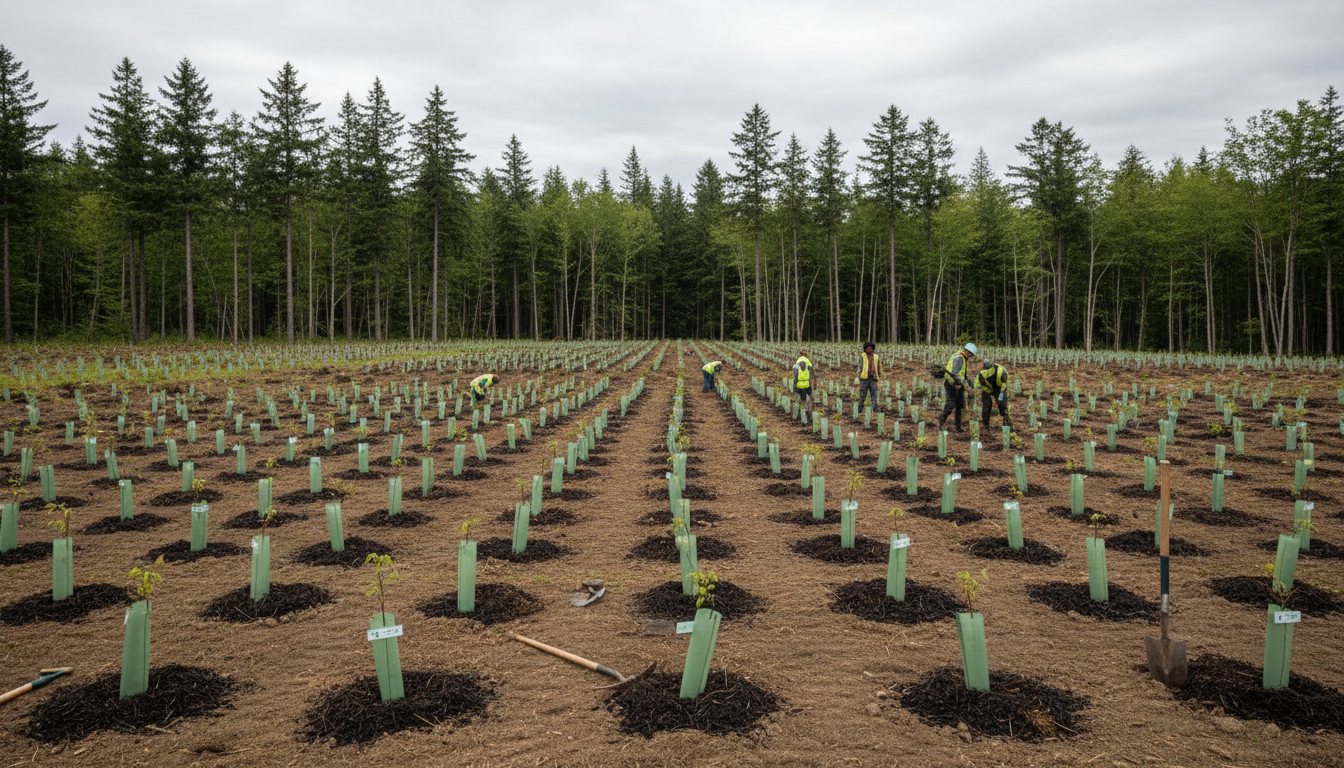
Urban planners and developers also utilize forestry mulching in land preparation. It provides a quick and efficient way to clear land for construction while maintaining soil integrity. The mulch layer created during the process can serve as a foundation for new growth, ensuring that the land remains fertile and productive.
Environmental Impact
Forestry mulching supports sustainable land management by minimizing the environmental impact of land clearing. The process is less disruptive than traditional methods, preserving topsoil and reducing the risk of sediment runoff into nearby water bodies. This approach also fosters biodiversity by maintaining existing root systems and soil microbiomes.
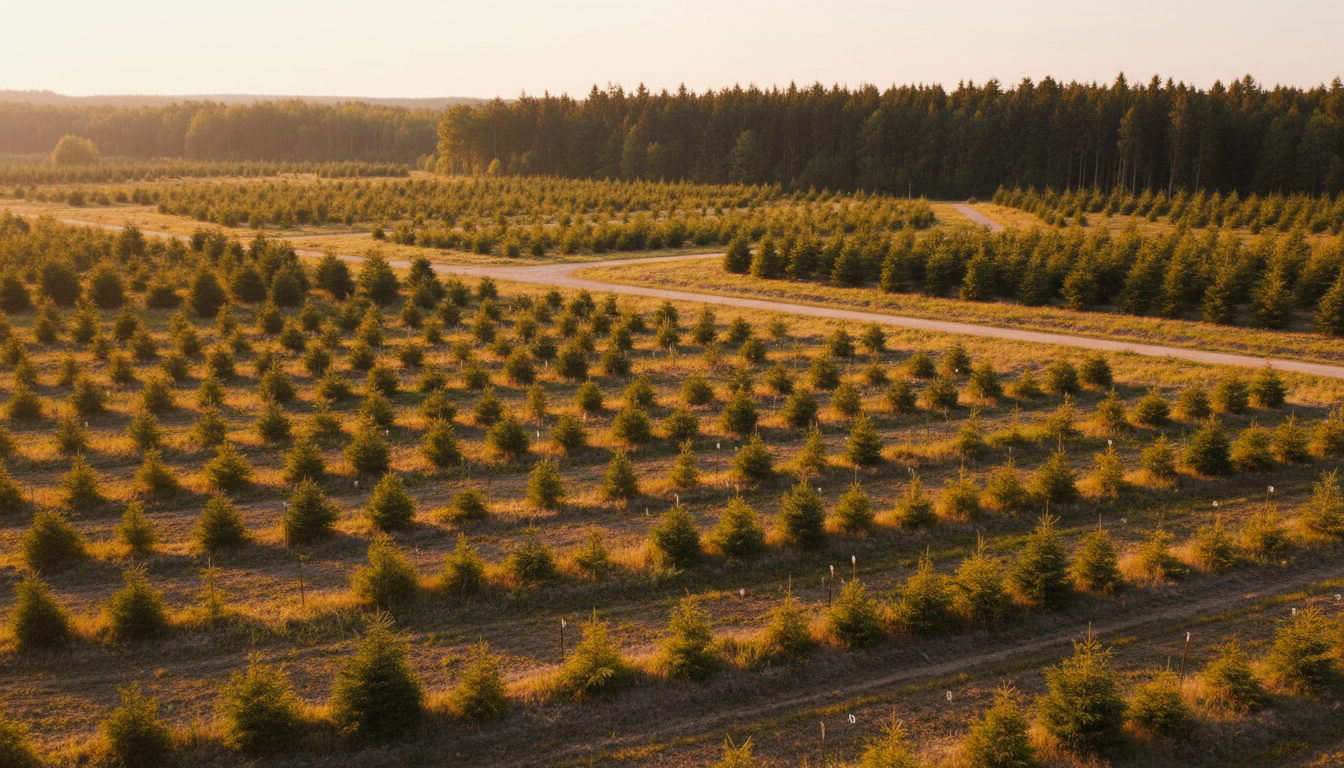
Moreover, by reducing the need for chemical herbicides and fertilizers, forestry mulching contributes to a healthier environment. The natural mulch layer acts as a deterrent for weeds, allowing for more organic growth without relying on harmful chemicals.
Conclusion
In conclusion, forestry mulching is a valuable tool for sustainable land management. Its ability to enhance soil health, prevent erosion, and support biodiversity makes it a preferred choice for managing large areas of land. By integrating forestry mulching into land management practices, we can promote a healthier environment and ensure that the land remains productive for future generations.