
How to Prepare Your Land for Seed and Sod Installations


Understanding Your Land
Before diving into seed or sod installations, it’s crucial to understand your land’s unique characteristics. Analyze the soil type, drainage capabilities, and sunlight exposure. Conducting a soil test can reveal important information about nutrient levels and pH balance, helping you make informed decisions about amendments needed.

Identifying any existing issues, such as compacted soil or excessive weeds, is essential. Knowing these details allows for targeted preparation strategies, ensuring your new lawn thrives.
Clearing the Area
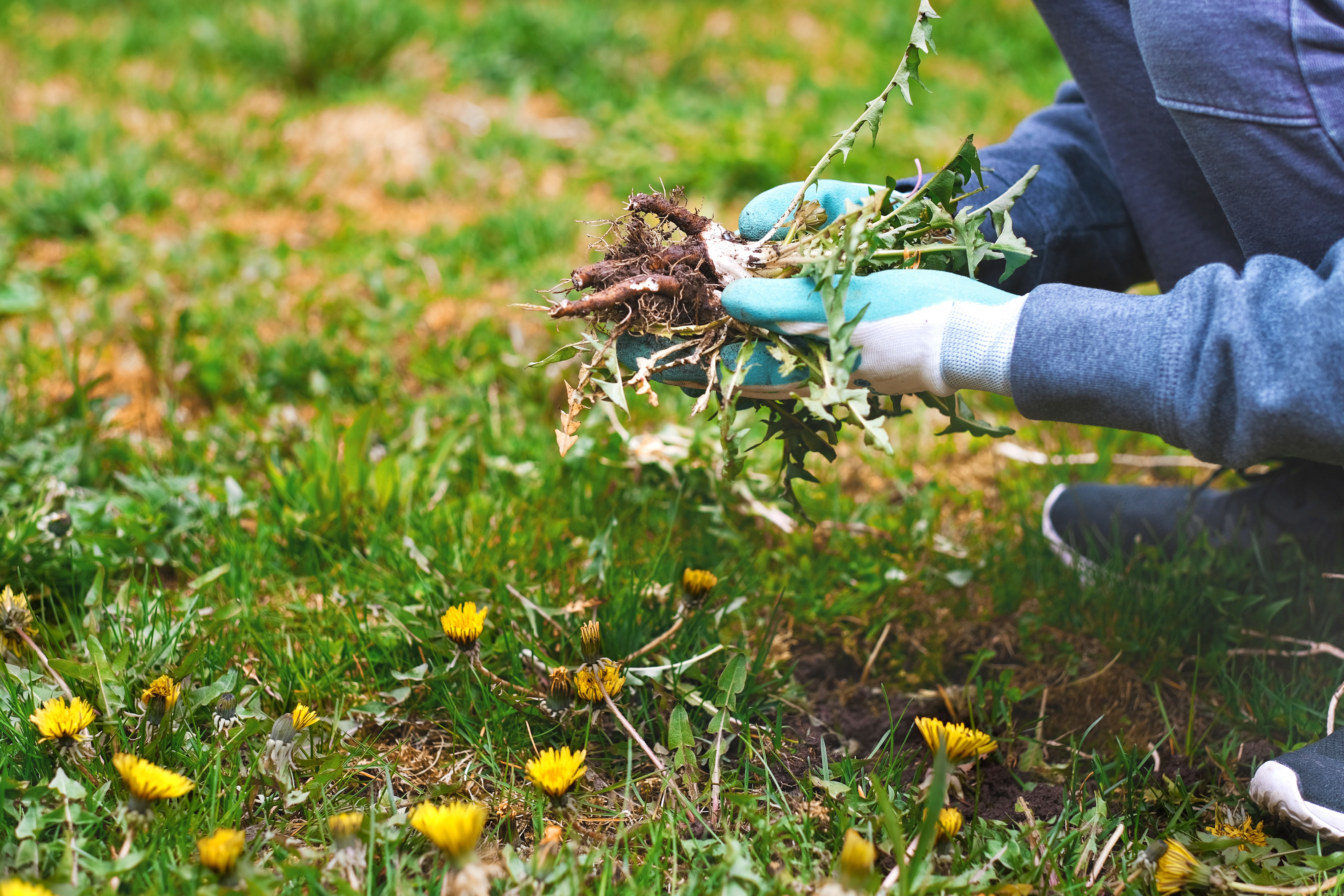
Start by removing any debris, rocks, and large weeds from the area. This ensures a smooth surface for seed or sod to establish roots effectively. Consider using a rototiller to break up the soil and remove stubborn roots.
For areas with significant weed problems, applying an appropriate herbicide might be necessary. Allow sufficient time for the herbicide to work before proceeding with further soil preparation.
Soil Preparation
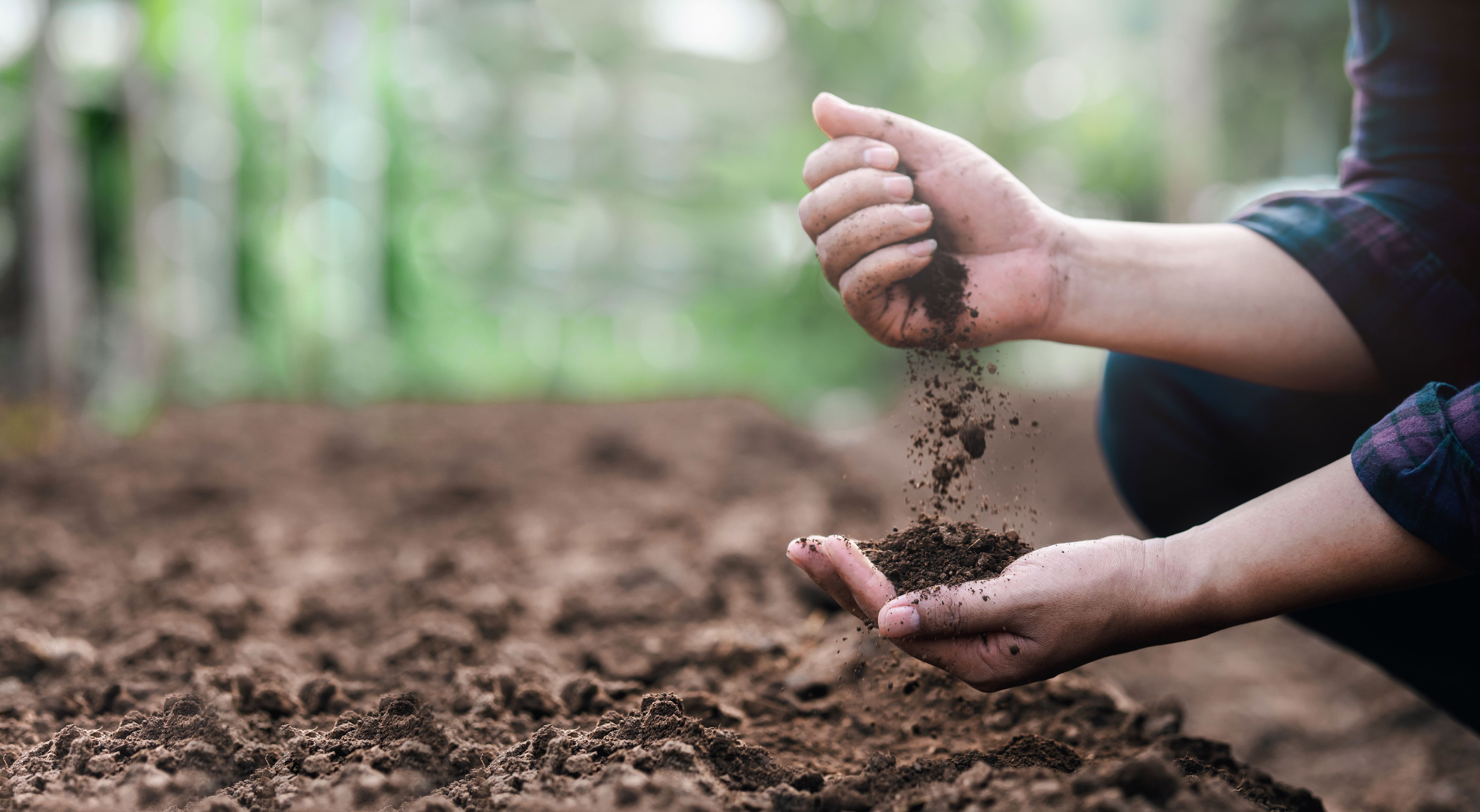
Once the area is cleared, focus on soil preparation. This involves tilling the soil to a depth of about 4 to 6 inches. Tilling helps to loosen compacted soil and facilitates better root penetration. If your soil test indicated nutrient deficiencies, now is the time to add fertilizers or organic matter to enrich the soil.
Level the ground using a rake, removing any large clumps of soil or rocks. This creates a smooth, even surface, crucial for sod installations and optimal seed growth.
Choosing Between Seed and Sod
Deciding between seed and sod depends on several factors, including budget, time constraints, and lawn type. Sod provides instant results, making it ideal for quick transformations. Seed, on the other hand, is cost-effective but requires more time and patience for establishment.
Consider the grass type suitable for your climate and intended use. Research different varieties to find the best match for your needs, ensuring long-term satisfaction with your lawn.
Installation Process
For seed installations, spread the seed evenly across the prepared soil using a broadcast spreader. Lightly rake the area to ensure the seeds make contact with the soil, then water gently to avoid washing them away.
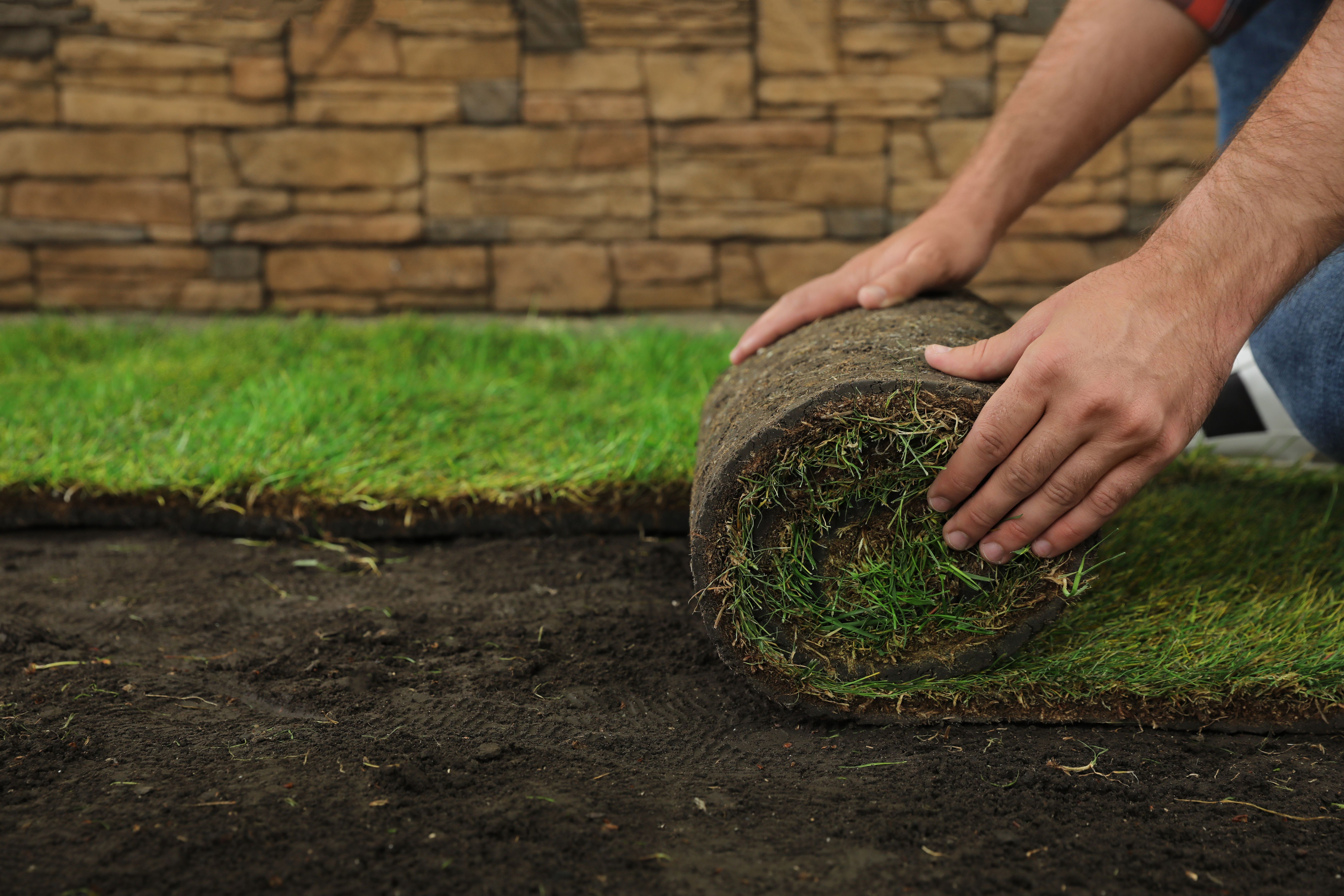
For sod installations, lay the sod pieces tightly together, staggering the seams in a brick-like pattern. Press the sod firmly into the soil to ensure good root contact, and water immediately after installation.
Watering and Maintenance
Watering is crucial in the first few weeks after installation. Newly seeded areas require light, frequent watering to keep the soil consistently moist. Sod should be watered thoroughly to encourage root establishment.
Monitor your lawn for signs of stress, such as wilting or discoloration, and adjust your watering schedule accordingly. Regular maintenance, including mowing and fertilization, will support healthy growth and a lush lawn.