
How to Prepare Your Landscape for Seasonal Changes in NC


Understanding Seasonal Changes in North Carolina
North Carolina's diverse climate presents unique challenges and opportunities for landscape management. From the cooler mountain regions to the warmer coastal areas, understanding how seasons affect your garden is essential. As the seasons shift, your landscape requires specific adjustments to thrive.

The transition between seasons can be especially impactful. Preparing your landscape involves knowing what to expect and acting accordingly. This approach not only enhances the beauty of your garden but also promotes sustainability and health for your plants.
Preparing for Spring
Spring in North Carolina is a time of renewal. As temperatures rise, plants emerge from their winter dormancy. Here’s how you can prepare your garden:
- Clean up debris: Remove fallen leaves and branches to prevent disease.
- Prune shrubs and trees: Cut back dead or damaged branches to encourage new growth.
- Test your soil: Check pH levels and nutrient content to determine if amendments are needed.
By following these steps, you set the stage for a vibrant spring landscape.
Summer Maintenance Tips
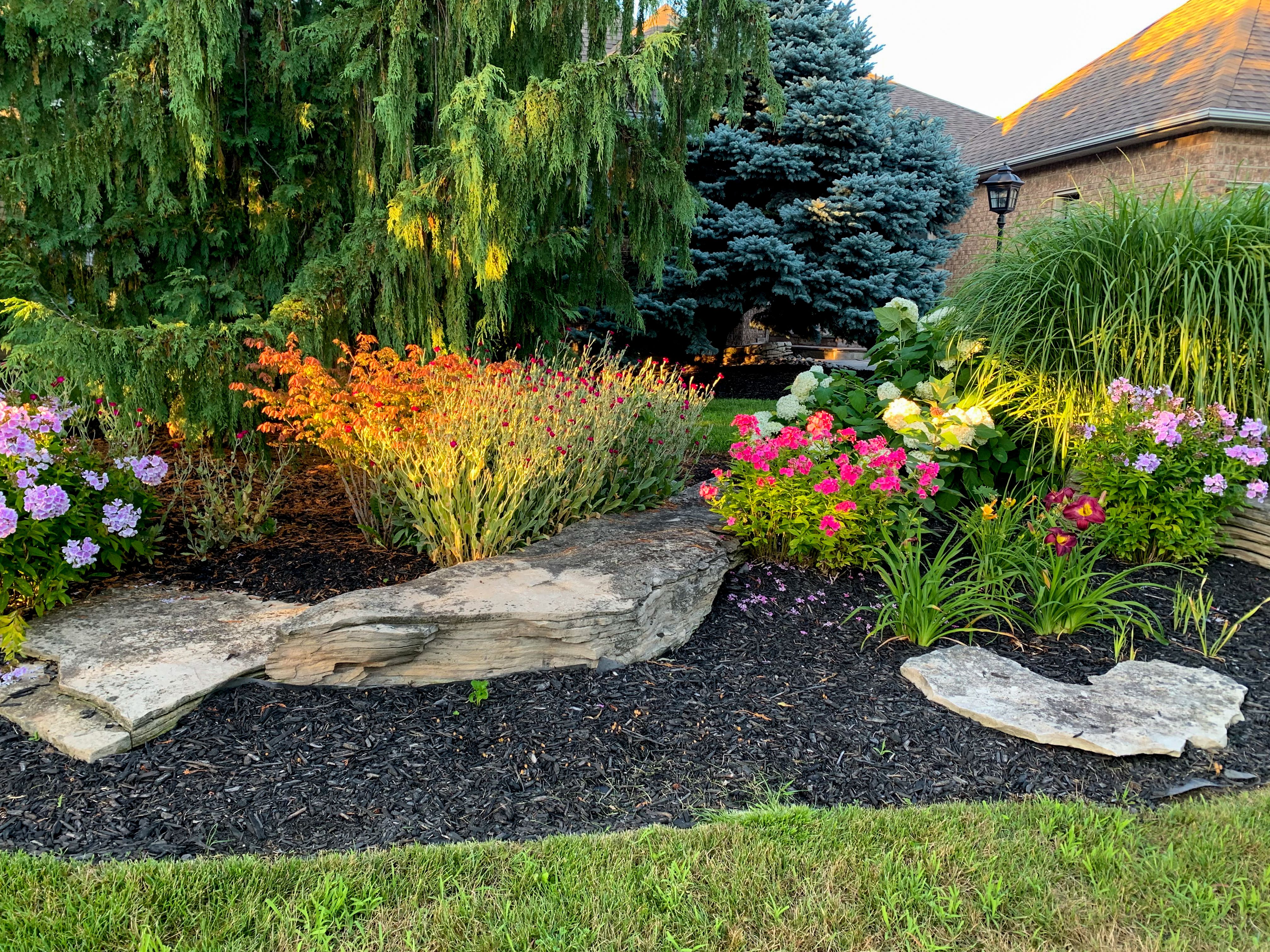
Summer in North Carolina can be hot and humid, which can stress your plants. Keep your garden flourishing by:
- Watering wisely: Water early in the morning to minimize evaporation and ensure deep root hydration.
- Mulching: Apply mulch to retain moisture and suppress weeds.
- Monitoring pests: Keep an eye out for common pests and treat them promptly.
Regular maintenance during summer ensures that your landscape remains lush and healthy.

Preparing for Fall
As temperatures begin to drop, fall is the perfect time to prepare your garden for the upcoming winter. Here are some key actions:
- Fertilize: Apply a slow-release fertilizer to strengthen roots for the winter.
- Plant bulbs: Fall is ideal for planting spring bulbs like tulips and daffodils.
- Rake leaves: Keep your lawn free of leaves to prevent suffocation and mold growth.
These preparations help your landscape endure the colder months with ease.
Winter Care
Winter in North Carolina varies, with some areas experiencing snow while others remain mild. Protect your landscape by:
- Covering delicate plants: Use burlap or frost cloth to shield sensitive plants from frost.
- Minimizing foot traffic: Avoid walking on frozen grass to prevent damage.
- Pruning selectively: Prune only dead or diseased branches to reduce stress on plants.
By taking these precautions, you ensure that your landscape emerges strong and ready for spring.

Conclusion
Preparing your landscape for seasonal changes in North Carolina requires an understanding of the local climate and plant needs. By taking proactive steps, you can maintain a thriving garden year-round. Whether it's adjusting your watering schedule or selecting the right plants for each season, thoughtful preparation makes all the difference.
Embrace each season with confidence, knowing that your landscape is well-prepared to flourish in North Carolina’s unique environment.