
How to Prepare Your Property for a Successful Seed and Sod Install


Understanding the Importance of Preparation
Preparing your property for a seed and sod installation is crucial to ensure a lush and healthy lawn. Proper preparation not only ensures successful growth but also saves time and money in the long run. By taking the necessary steps beforehand, you can create an ideal environment for your new lawn to thrive.
Clearing the Area
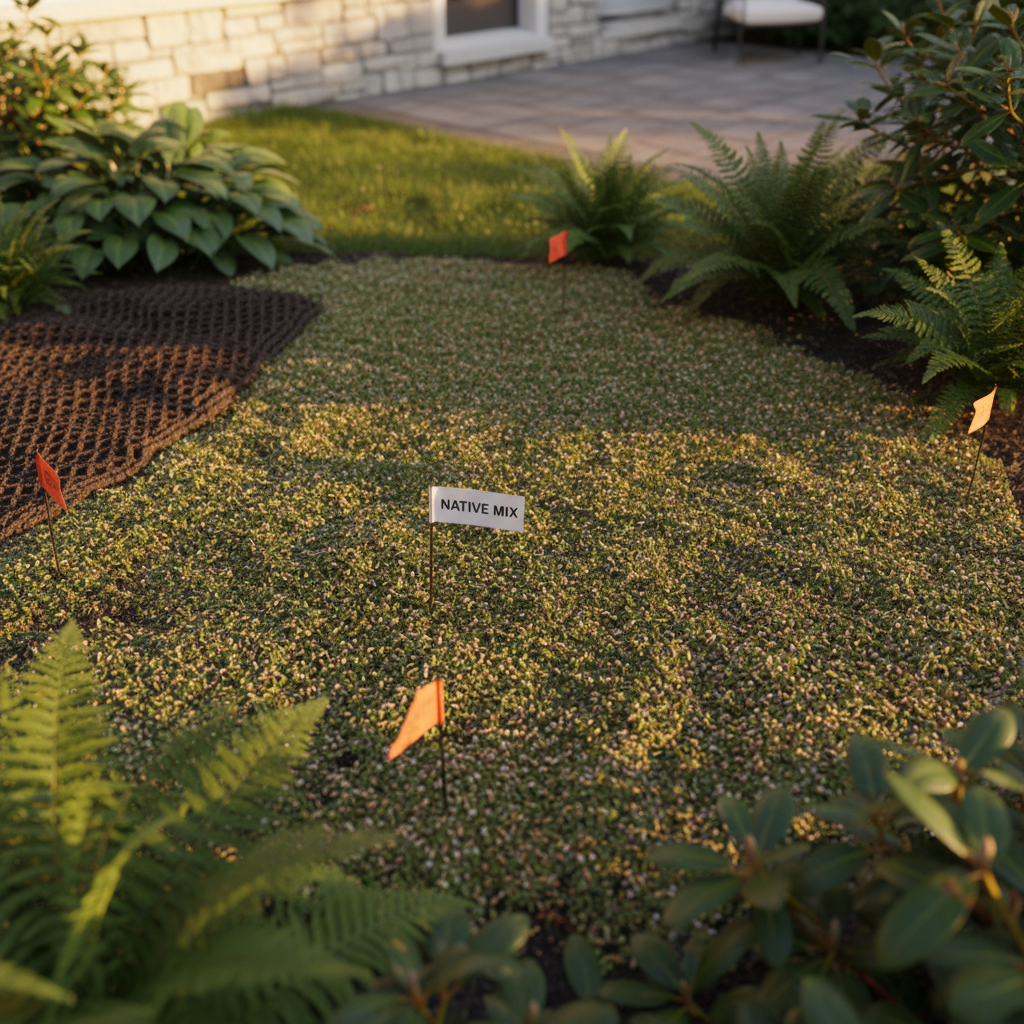
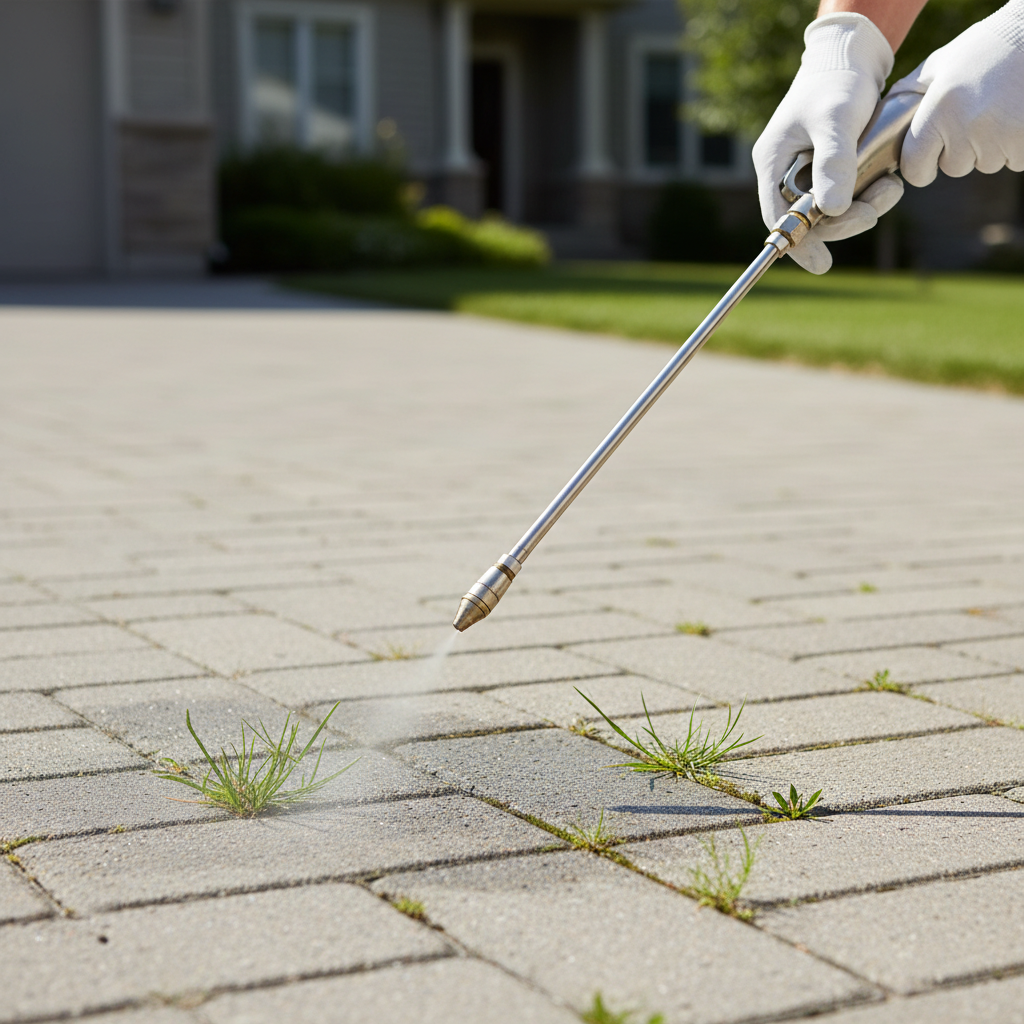
Start by clearing the area of any debris, rocks, and weeds. This step is essential to prevent any unwanted growth from competing with your new grass. Use a rake to remove any dead grass or leaves and ensure the area is clean. For larger rocks or debris, you might need a shovel or a hoe.
Addressing Existing Vegetation
If there is existing grass or plants, remove them completely. You can use a sod cutter for large areas or a spade for smaller patches. It's important to eliminate any competition for nutrients and water.
Testing and Amending the Soil
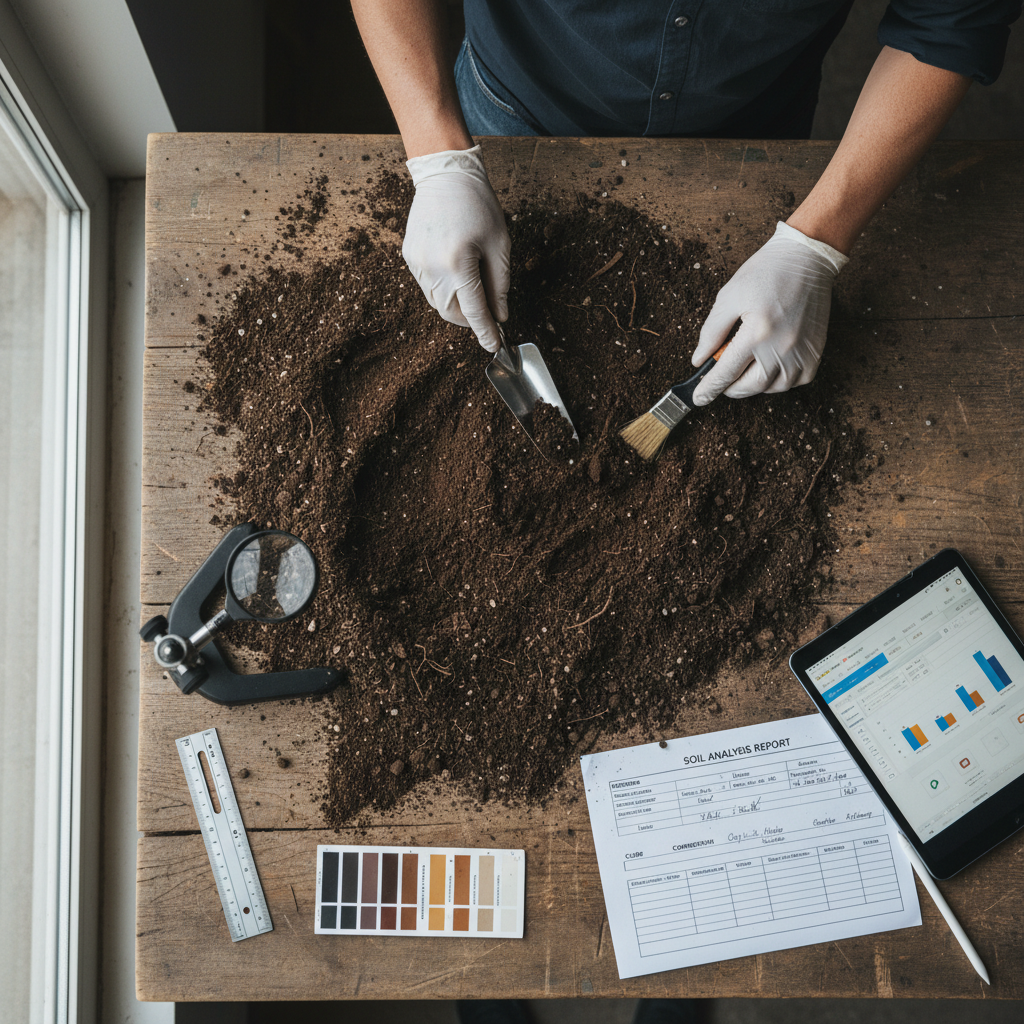
Testing your soil is an important step that should not be overlooked. Obtain a soil test kit to determine the pH and nutrient levels of your soil. Based on the results, you may need to amend the soil with lime, sulfur, or other nutrients to create the perfect growing conditions.
Improving Soil Quality
Consider adding organic matter like compost to improve soil texture and fertility. This addition can help retain moisture and provide essential nutrients for your new lawn. Use a tiller to incorporate the amendments evenly throughout the soil.
Leveling and Grading
Once the soil is amended, it's time to level the area. Use a rake to smooth out uneven spots and ensure a uniform surface. Proper grading is essential to prevent water pooling and ensure even growth. Make sure the area slopes gently away from any structures to facilitate drainage.
Final Preparations
After leveling and grading, compact the soil lightly with a roller to create a firm surface. This step helps prevent any air pockets that could hinder root growth. Ensure the soil is moist but not overly wet before proceeding with the installation.
Choosing Between Seed and Sod
Decide whether you want to install seed or sod based on your budget, timeline, and lawn size. Seed is more cost-effective but takes longer to establish, while sod provides an instant lawn but requires more upfront investment.
Installation Tips
For seed, spread evenly using a broadcast spreader and lightly rake to integrate into the soil. For sod, lay the pieces tightly together, staggering the seams like bricks, and press down to eliminate air gaps.
Watering and Maintenance
Immediately after installation, water the area thoroughly to help the roots establish. Keep the soil consistently moist but not waterlogged. For sod, aim to water daily for the first couple of weeks, gradually reducing frequency as the roots take hold.
Long-term Care
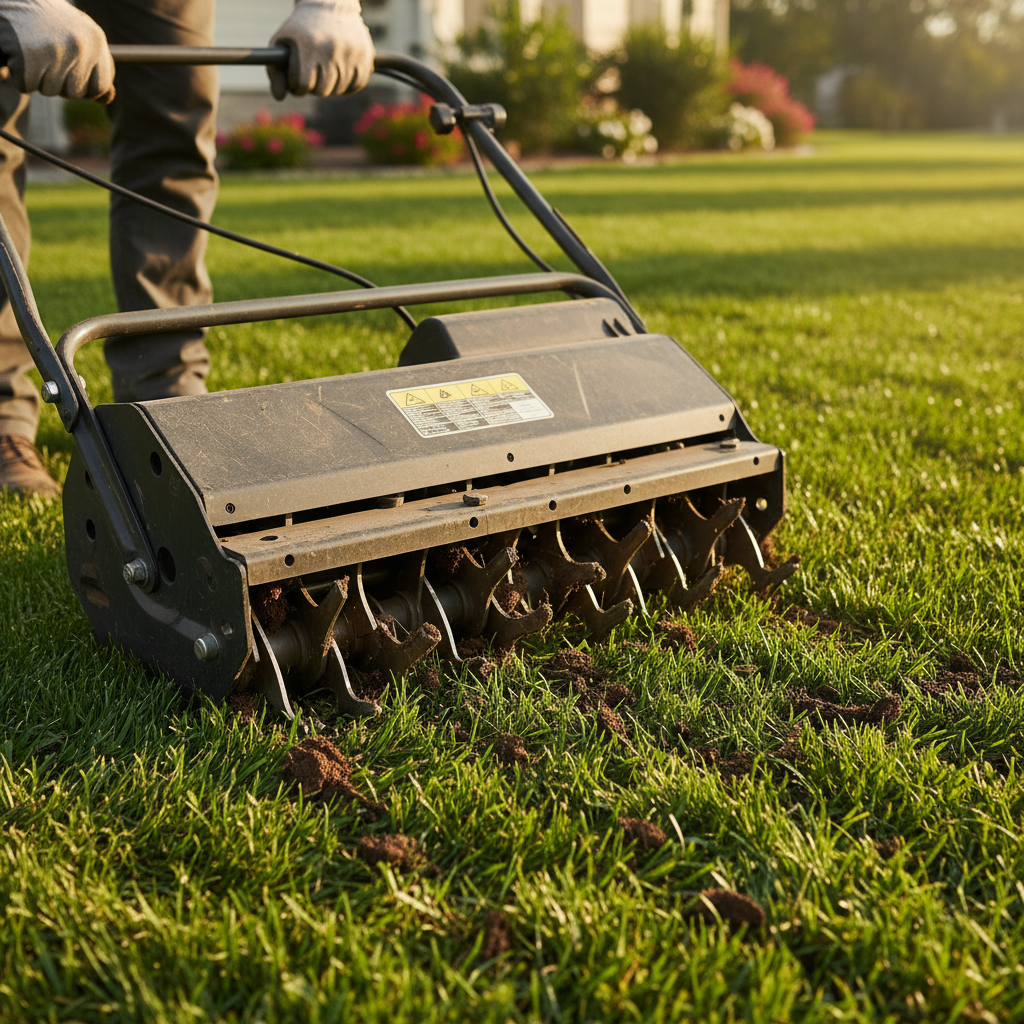
Once your lawn is established, follow a regular maintenance routine including mowing, fertilizing, and aerating. This care ensures your lawn remains healthy and vibrant throughout the seasons.