
How to Prepare Your Yard for a Seed and Sod Installation


Understanding the Basics
Preparing your yard for a seed and sod installation is crucial for a lush, green lawn. Whether you're starting from scratch or replacing an existing lawn, the preparation process can make a significant difference in the outcome. This guide will walk you through the steps to ensure your yard is ready for this transformation.
Before you begin, it's essential to understand the differences between seeds and sod. While seeding is cost-effective and allows for a variety of grass types, sod provides an instant lawn and is ideal for erosion control. Choose what best suits your needs and location.
Clearing the Area
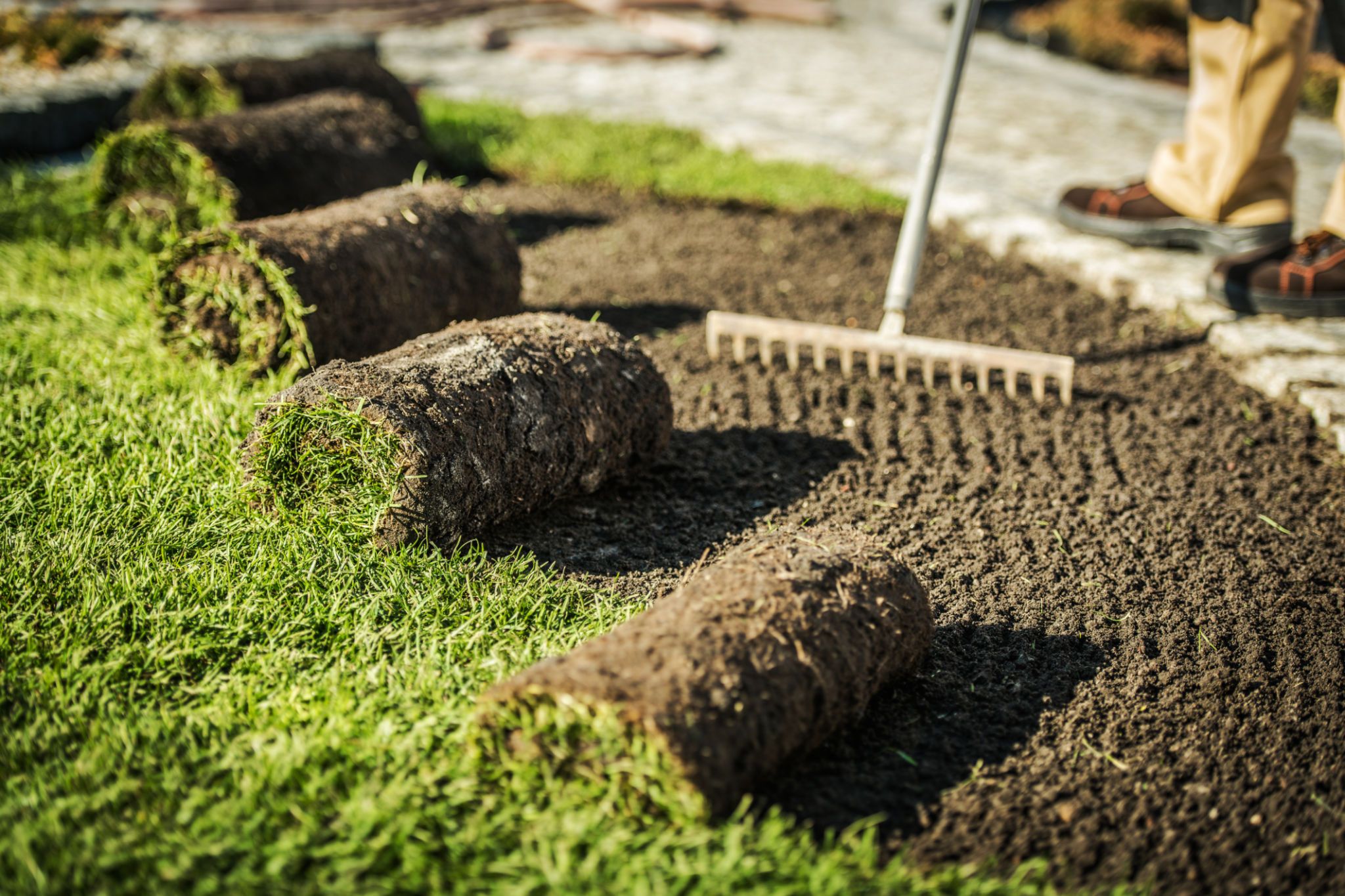
The first step in preparing your yard is clearing the area of any debris, rocks, or old grass. Use a rake to remove leaves and sticks, and consider renting a sod cutter for large areas of existing grass. This process ensures that your new grass will have room to grow without any obstacles.
It's also important to take care of any weeds. Use a non-selective herbicide to eliminate them, and ensure that the yard is free of chemicals for at least a week before planting. This will prevent any adverse effects on the new grass.
Soil Preparation
Once the area is cleared, focus on soil preparation. Healthy soil is the foundation of a thriving lawn. Start by testing the soil to determine its pH level and nutrient content. Adjust the pH with lime or sulfur as needed, aiming for a neutral pH around 6.0 to 7.0.
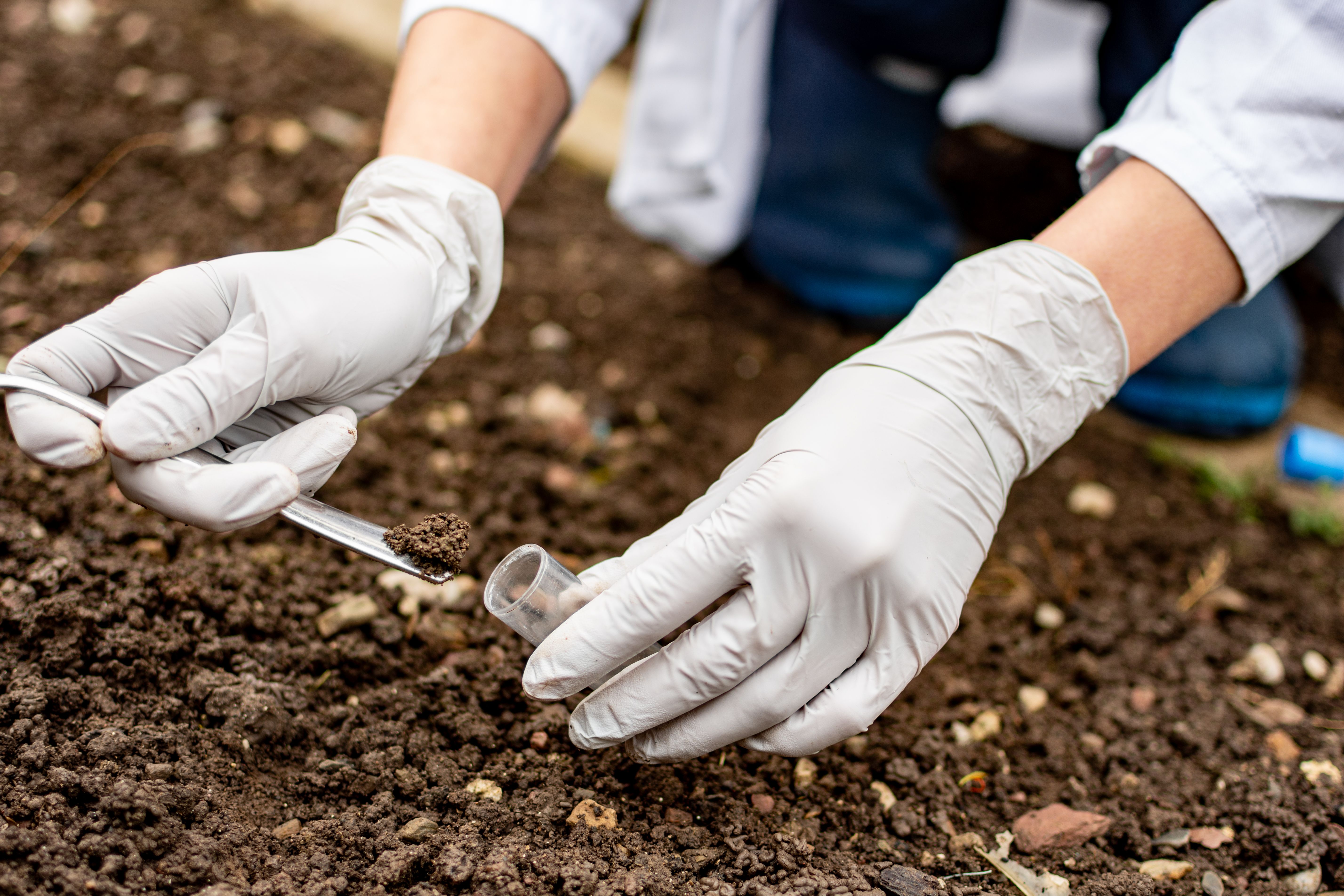
Next, add organic matter or compost to enrich the soil. This improves drainage and provides essential nutrients. Till the soil to a depth of about six inches, mixing in the organic matter evenly. A well-prepared soil bed supports healthy root growth.
Leveling the Ground
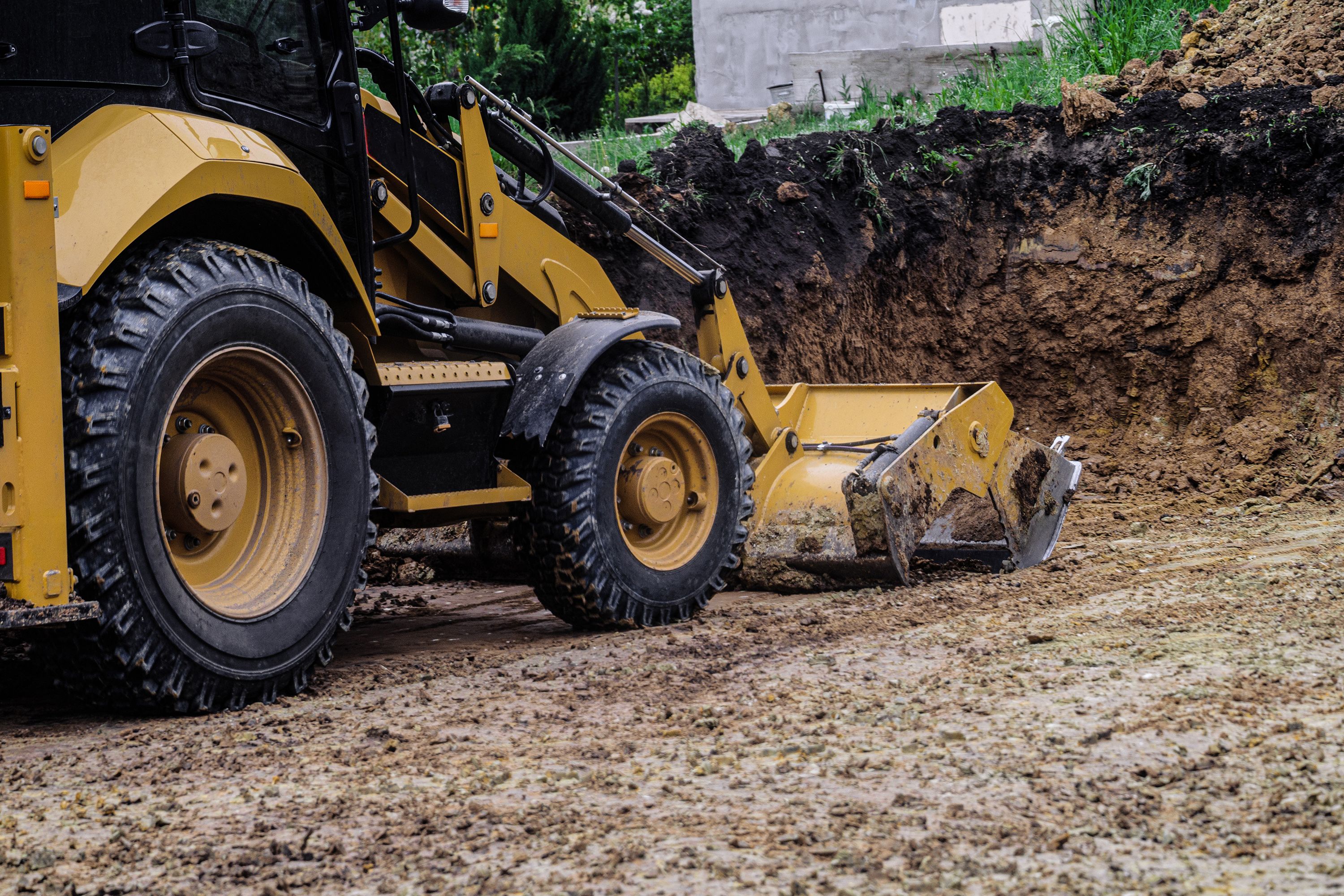
After preparing the soil, it's time to level the ground. A smooth, even surface is critical for both seeds and sod to establish properly. Use a rake to level any uneven spots, and consider renting a roller to compress the soil lightly. This step helps prevent water pooling and uneven growth.
For areas prone to drainage issues, make sure to address them by sloping the soil away from buildings. Proper drainage ensures that water doesn't accumulate, which could lead to root rot or other issues.
Installing Seed or Sod
Now that your yard is ready, it's time to install the seed or sod. For seeding, spread the seed evenly using a broadcast spreader, and lightly rake the seeds into the soil. Water gently to avoid washing the seeds away.
If you're installing sod, lay the rolls out in a staggered pattern, similar to laying bricks. Ensure that the edges fit tightly together to avoid gaps. Roll the sod with a roller to remove air pockets and encourage root contact with the soil.
Watering and Maintenance
After installation, water the area thoroughly. New seeds and sod require consistent moisture to establish roots. Water daily or as needed to keep the soil moist, but avoid overwatering, which can lead to fungus and disease.
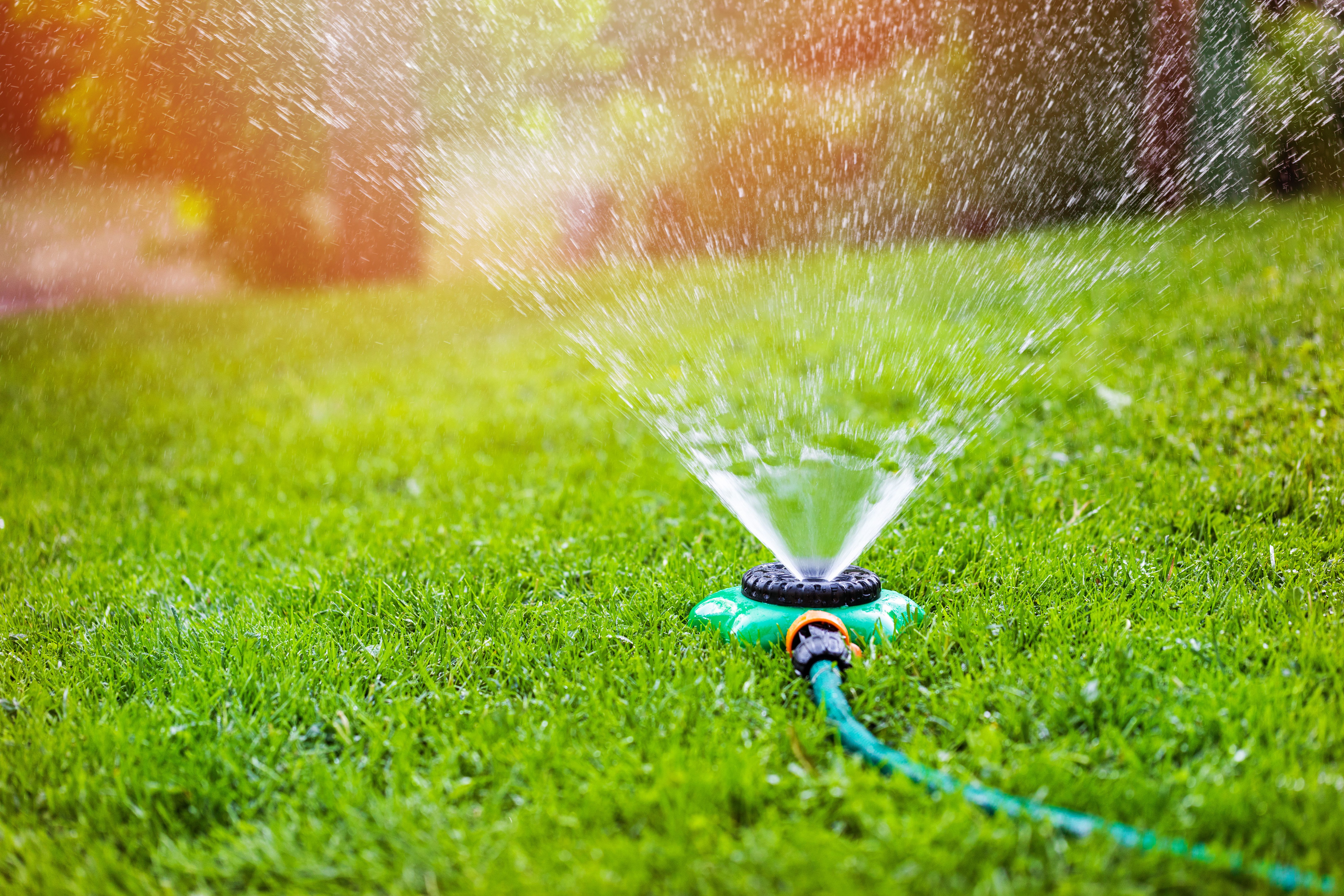
Continue to monitor your new lawn for the first few weeks. Once the grass is established, adjust your watering schedule to encourage deeper root growth. Regular mowing and fertilization will also help maintain a healthy, vibrant lawn.