Preparing Your Land for Spring: Essential Seed and Sod Tips


Understanding Your Soil
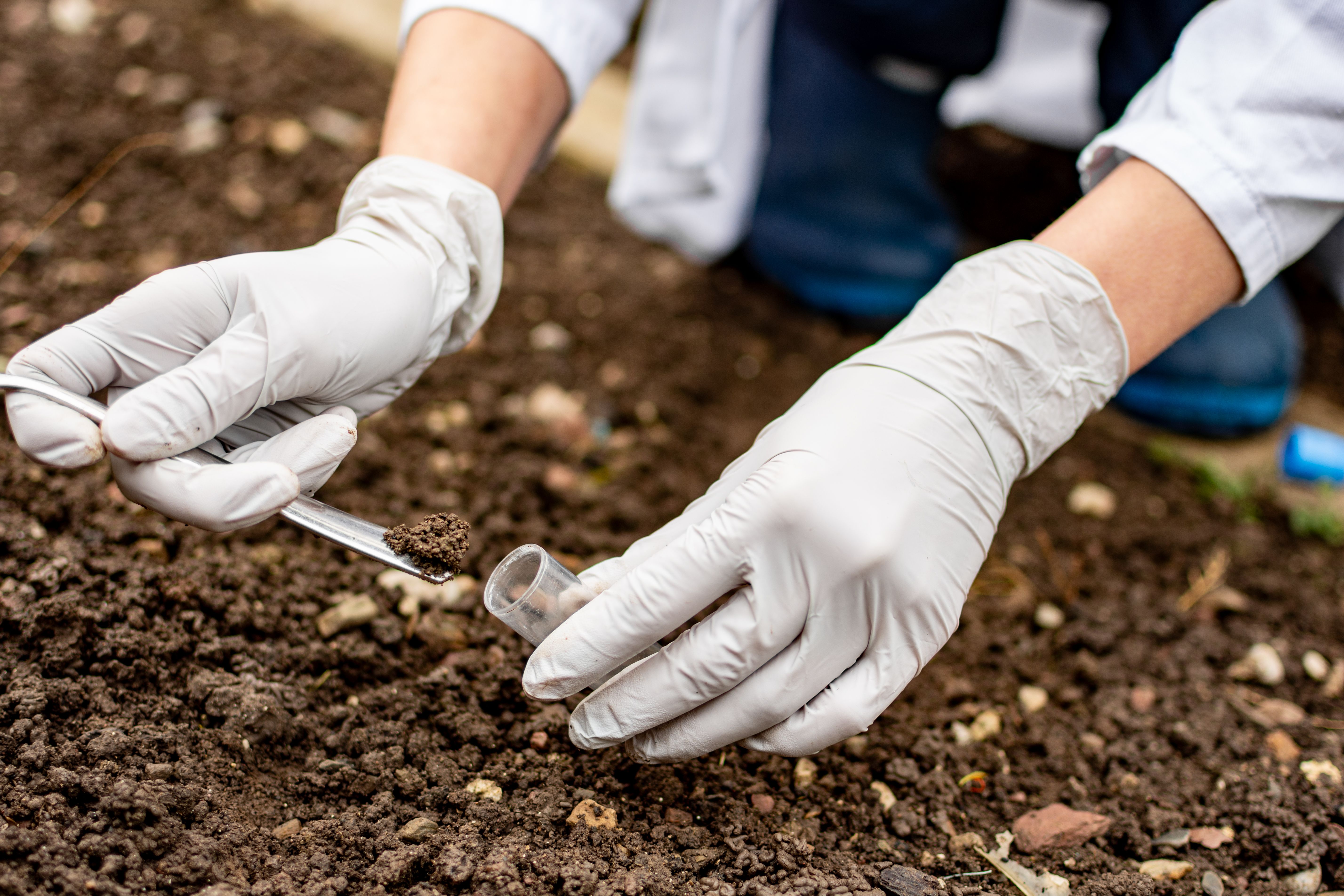
Before you begin any planting, it's crucial to understand the type of soil you have. Soil testing can provide insights into its pH levels and nutrient content. This information will guide you in selecting the right amendments to improve soil quality. Knowing whether your soil is sandy, loamy, or clay-heavy will also help determine the best planting strategy for your garden.
Soil Amendments
Once you've tested your soil, consider adding organic matter such as compost or well-rotted manure to enrich it. These amendments can enhance soil structure, improve drainage, and provide essential nutrients for your plants. You might also need to adjust the pH by adding lime to raise it or sulfur to lower it, depending on the test results.
Choosing Between Seed and Sod
Deciding whether to use seed or sod depends on factors like budget, time, and the desired look of your lawn. Seeding is generally more cost-effective but requires a longer establishment period. Sod offers an instant lawn but at a higher price.

Benefits of Seeding
Seeding allows for a greater variety of grass types and blends, offering flexibility to choose the best option for your local climate and soil conditions. It also provides a denser and more resilient lawn if properly maintained. However, patience is key, as it may take weeks or even months to see full results.
Installing Sod
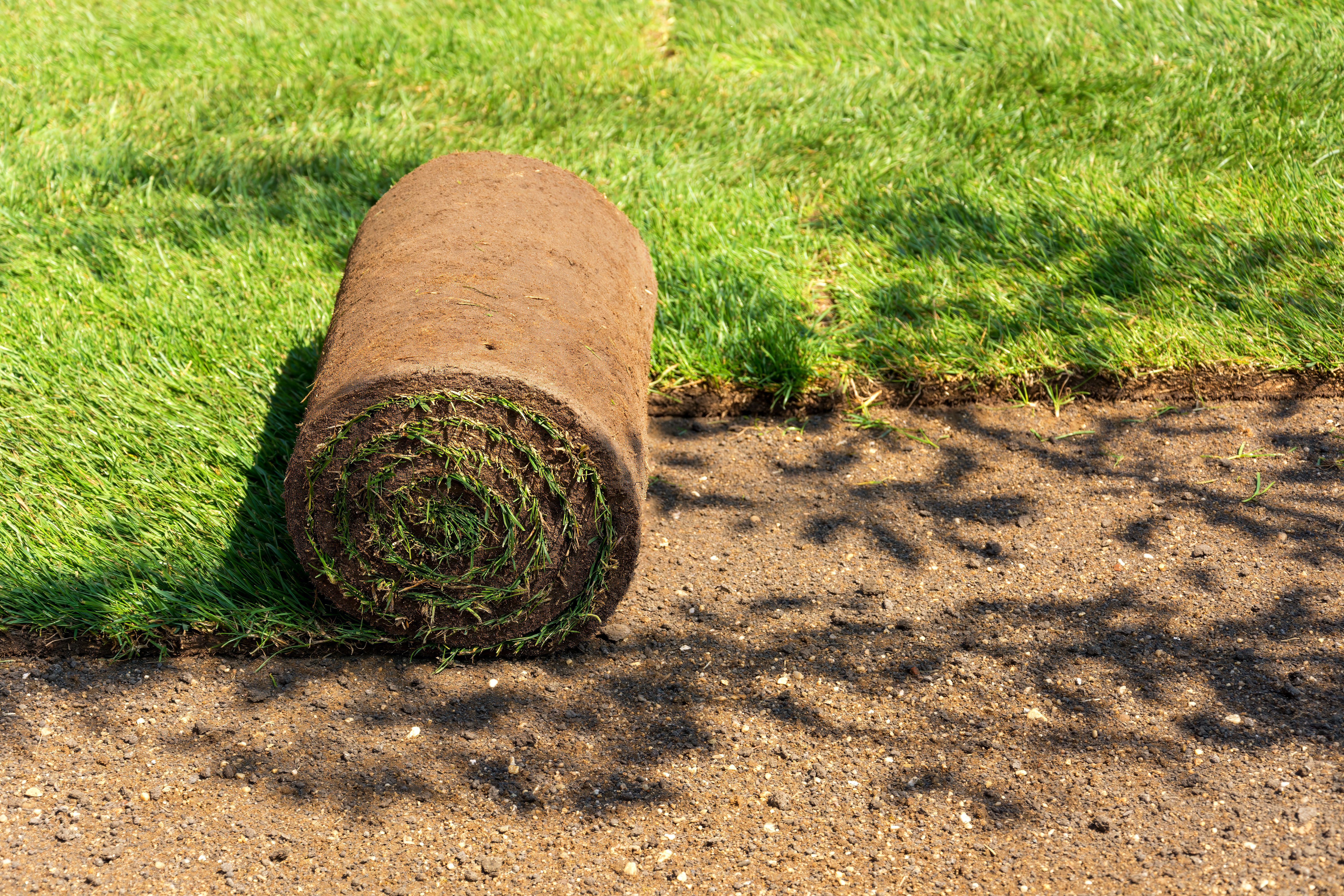
If you opt for sod, the installation process is quicker and can be completed in a day or two. Begin by preparing the soil, ensuring it's level and free of debris. Lay the sod in rows, staggering the seams like brickwork to prevent erosion and gaps.
Post-Installation Care
After laying sod, water it immediately to help the roots establish themselves. Continue to water daily for the first couple of weeks, then gradually reduce the frequency as the grass becomes established. Avoid heavy foot traffic during this period to prevent damage.
Timing Your Planting
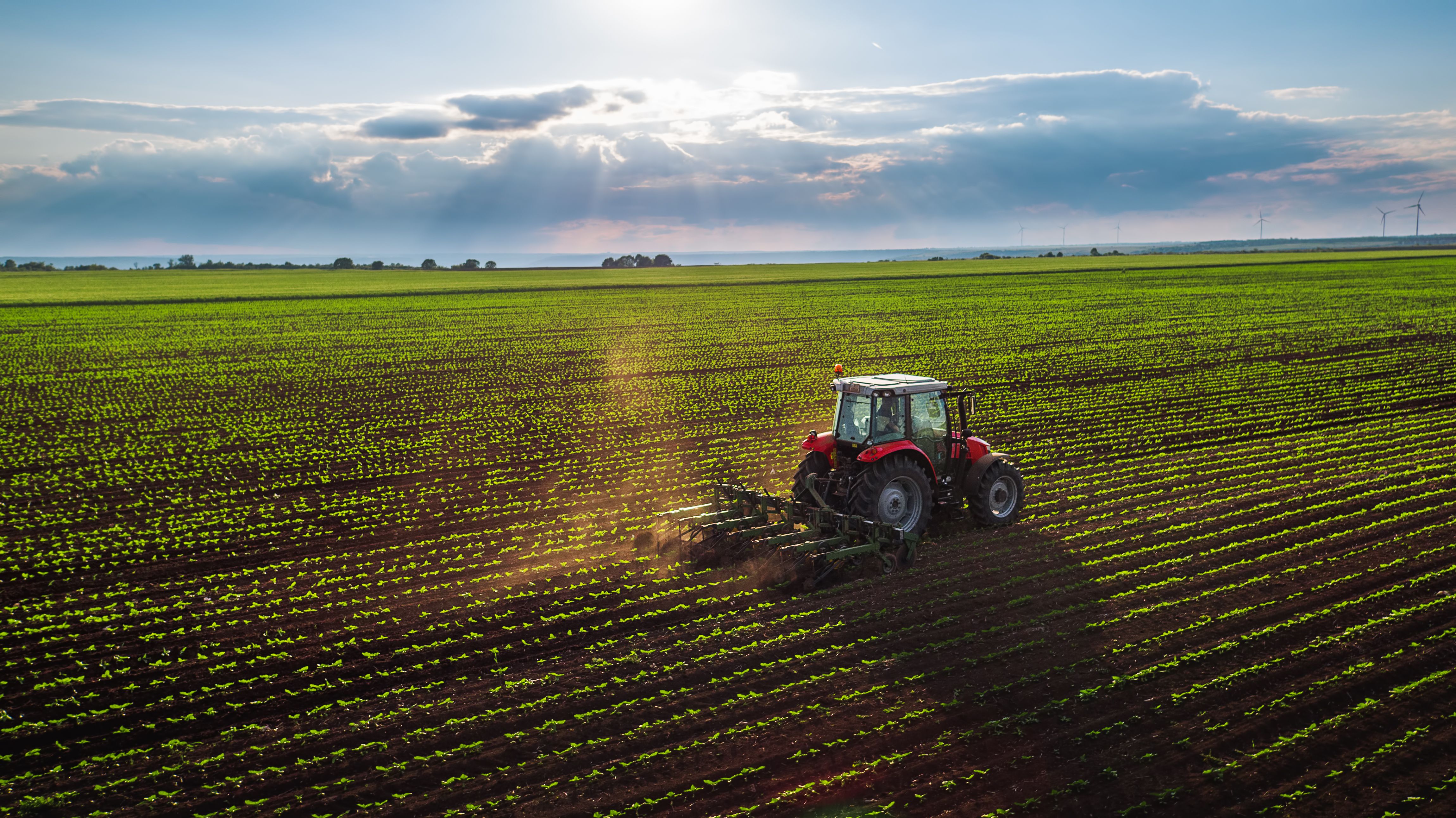
For both seed and sod, timing is crucial. Early spring, when temperatures are cool, is ideal for most grass types. This timing ensures that the grass will have enough time to establish strong roots before the heat of summer.
Weather Considerations
Keep an eye on the weather forecast to avoid planting right before heavy rains, which can wash away seeds or oversaturate sod. Aim for a period of mild weather to give your grass the best start.
Final Thoughts
Preparing your land for spring requires planning and effort, but the results are well worth it. By understanding your soil, choosing the right planting method, and timing your efforts, you'll set the stage for a lush, healthy lawn that thrives throughout the season.