
The Impact of Seasonal Weather on Construction Projects in Johnston County


Understanding Seasonal Weather Challenges
In Johnston County, the construction industry faces unique challenges due to the varied seasonal weather. From the hot, humid summers to the cold, wet winters, weather conditions can significantly impact construction timelines and safety measures. Understanding these challenges is crucial for effective project planning and execution.
Seasonal weather conditions can influence everything from the choice of materials to the scheduling of labor. For instance, concrete pouring requires specific temperature ranges to ensure proper setting. Similarly, roofing projects need to account for potential rain delays, especially during the spring and fall seasons.
Summer Heat and Its Effects
The summer months in Johnston County bring intense heat and humidity. These conditions can pose serious health risks for construction workers, such as heat exhaustion and heatstroke. To mitigate these risks, contractors often implement safety measures like regular breaks, hydration stations, and shaded rest areas.
Moreover, high temperatures can affect construction materials. Asphalt, for example, becomes more pliable in the heat, which can lead to issues with paving projects. Planning work during cooler parts of the day can help manage these challenges effectively.
Adapting to High Temperatures
Construction managers may need to adjust project timelines to avoid peak heat hours. Utilizing technology, such as weather forecasting tools, can aid in predictive planning, allowing teams to make informed decisions and minimize disruptions.
Winter Weather Considerations
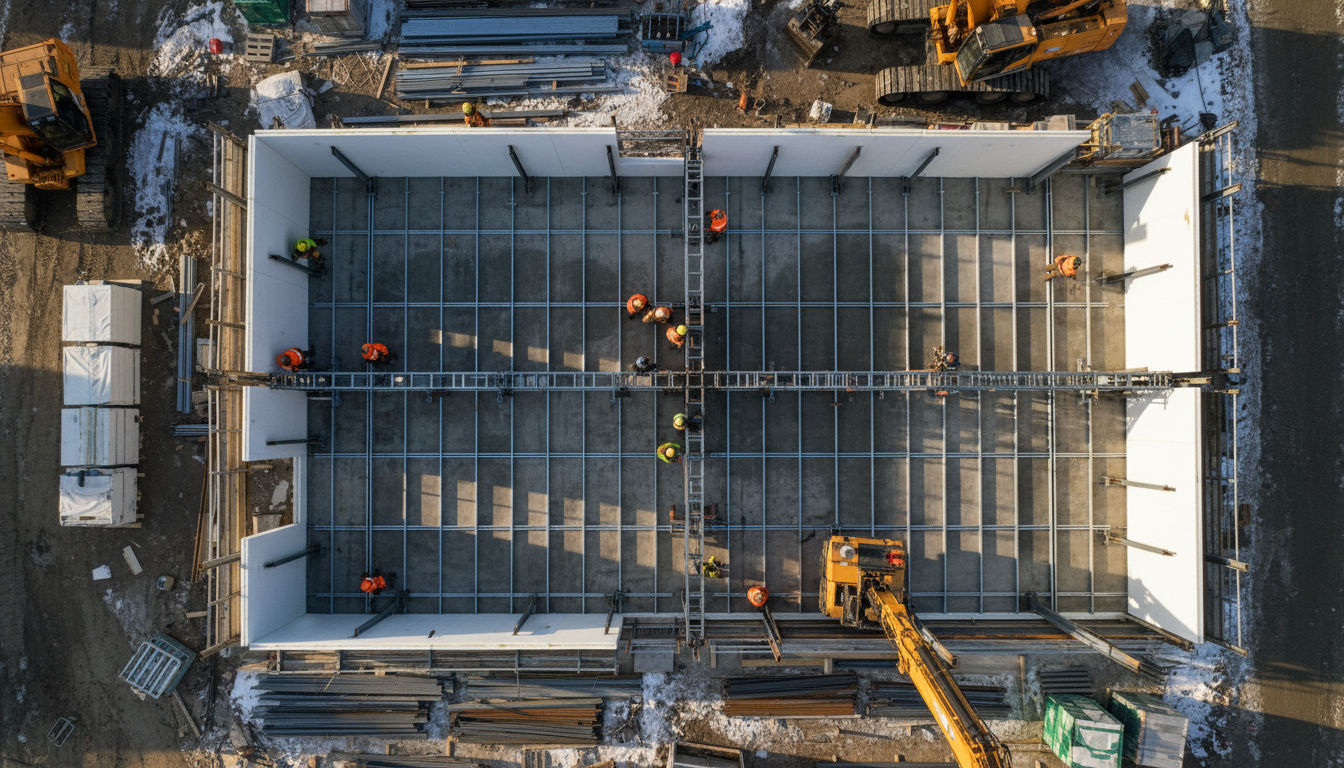
In contrast, winter weather brings its own set of challenges. Cold temperatures can cause delays in curing concrete and can lead to frozen ground conditions, making excavation difficult. Snow and ice also pose safety hazards, requiring additional precautions to protect workers.
Construction projects often slow down during the winter months due to these adverse conditions. However, with proper planning and the use of cold weather construction techniques, many projects can continue efficiently.
Ensuring Worker Safety in Cold Weather
Providing appropriate clothing and gear, such as insulated gloves and boots, is essential. Additionally, ensuring that workspaces are cleared of ice and snow helps maintain safety and productivity on-site.

Spring and Fall: Unpredictable Weather
The transitional seasons of spring and fall can be unpredictable, with frequent rain and wind. These conditions can lead to erosion and unstable ground, complicating excavation and foundation work. To combat these issues, construction managers may employ erosion control measures like silt fences and proper drainage systems.
Weather-related delays are common during these seasons, requiring flexible scheduling and contingency plans. Effective communication with stakeholders is key to managing expectations and maintaining project momentum.
Utilizing Weather Forecasting
Advanced weather forecasting tools can help project managers predict and prepare for sudden weather changes. By leveraging these technologies, teams can adjust plans proactively and minimize downtime.
Conclusion: Planning for Success
In Johnston County, the impact of seasonal weather on construction projects is significant. By understanding and preparing for these conditions, construction managers can ensure projects are completed safely and efficiently, regardless of the season. Continuous learning and adaptation are essential for overcoming the challenges posed by Johnston County's diverse climate.