
The Ultimate Guide to Land Management in Johnston County


Land management is an essential practice, especially in regions like Johnston County, where agriculture plays a significant role in the local economy. Effective land management ensures sustainable use of resources, enhances biodiversity, and maintains the health of ecosystems. Whether you are a landowner, farmer, or just someone interested in sustainable practices, understanding the principles of land management is crucial.

Understanding Land Management
Land management involves making informed decisions about the use and treatment of land to achieve specific goals. It encompasses a wide range of activities, including agriculture, forestry, water management, and conservation. In Johnston County, land management is particularly focused on balancing agricultural productivity with environmental sustainability.
Key Components of Land Management
Effective land management requires attention to several critical components:
- Soil Health: Maintaining soil fertility through practices such as crop rotation, cover cropping, and reduced tillage.
- Water Management: Implementing systems to efficiently use and conserve water resources.
- Biodiversity: Encouraging diverse ecosystems to enhance resilience against pests and diseases.
Best Practices in Johnston County
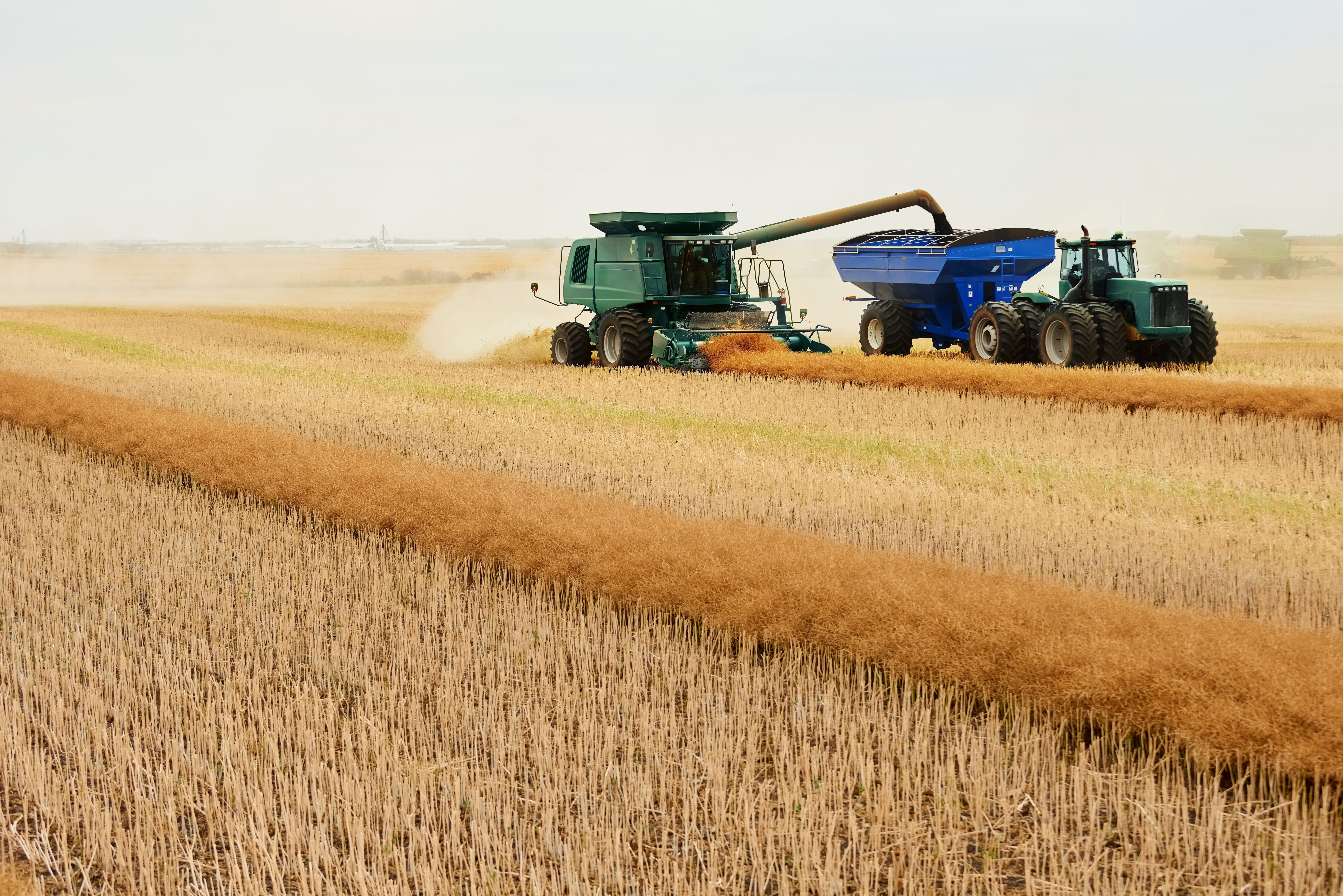
Johnston County is home to various best practices that land managers can adopt. These practices are designed to improve productivity while conserving natural resources. Embracing these strategies can lead to more sustainable and profitable land use.
Conservation Tillage
Conservation tillage is a popular practice in Johnston County, which reduces soil erosion and improves water retention. By minimizing soil disturbance, this method helps maintain soil structure and fertility. Farmers have reported increased yields and reduced labor costs as a result.
Integrated Pest Management (IPM)
IPM is an environmentally friendly approach that combines different management strategies and practices to control pest populations. By focusing on prevention and monitoring, IPM reduces the need for chemical pesticides, protecting both human health and the environment.

Challenges and Opportunities
While there are numerous benefits to effective land management, there are also challenges that landowners in Johnston County face. Climate change, economic pressures, and regulatory requirements can complicate management efforts. However, these challenges also present opportunities for innovation and improvement.
Adapting to Climate Change
Climate change poses a significant threat to land management practices. Increasing temperatures and unpredictable weather patterns necessitate adaptive strategies. Implementing resilient crops and diversifying land use are vital steps in mitigating these impacts.
Leveraging Technology
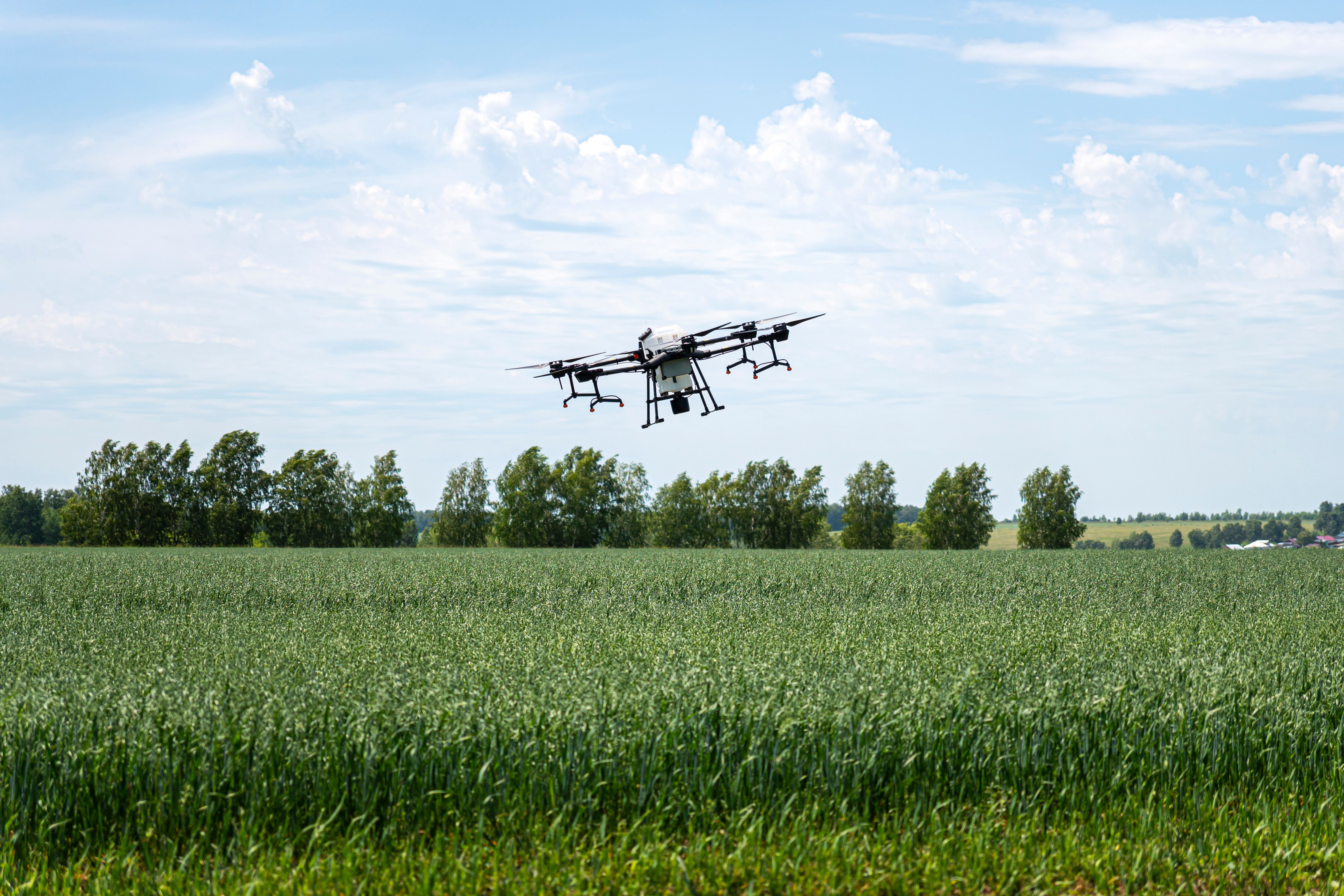
Technology plays a crucial role in modern land management. From drones for aerial surveys to precision agriculture tools that optimize resource use, technological advancements offer significant potential to enhance efficiency and sustainability.
In conclusion, land management in Johnston County is a multifaceted endeavor that requires a balance of tradition and innovation. By understanding the principles and adopting best practices, landowners can ensure that their land remains productive and environmentally sustainable for generations to come.