
The Ultimate Guide to Land Management in Johnston County


Understanding Land Management
Land management is a critical aspect of maintaining the ecological balance and ensuring sustainable development. In Johnston County, effective land management can help preserve natural resources, enhance agricultural productivity, and support community growth. This guide aims to provide essential insights and practical tips for managing land effectively.
Proper land management involves the strategic use of land resources to meet both present and future needs. It encompasses a range of activities, from soil conservation to water management, each playing a vital role in maintaining the health and productivity of the land.
The Importance of Soil Conservation
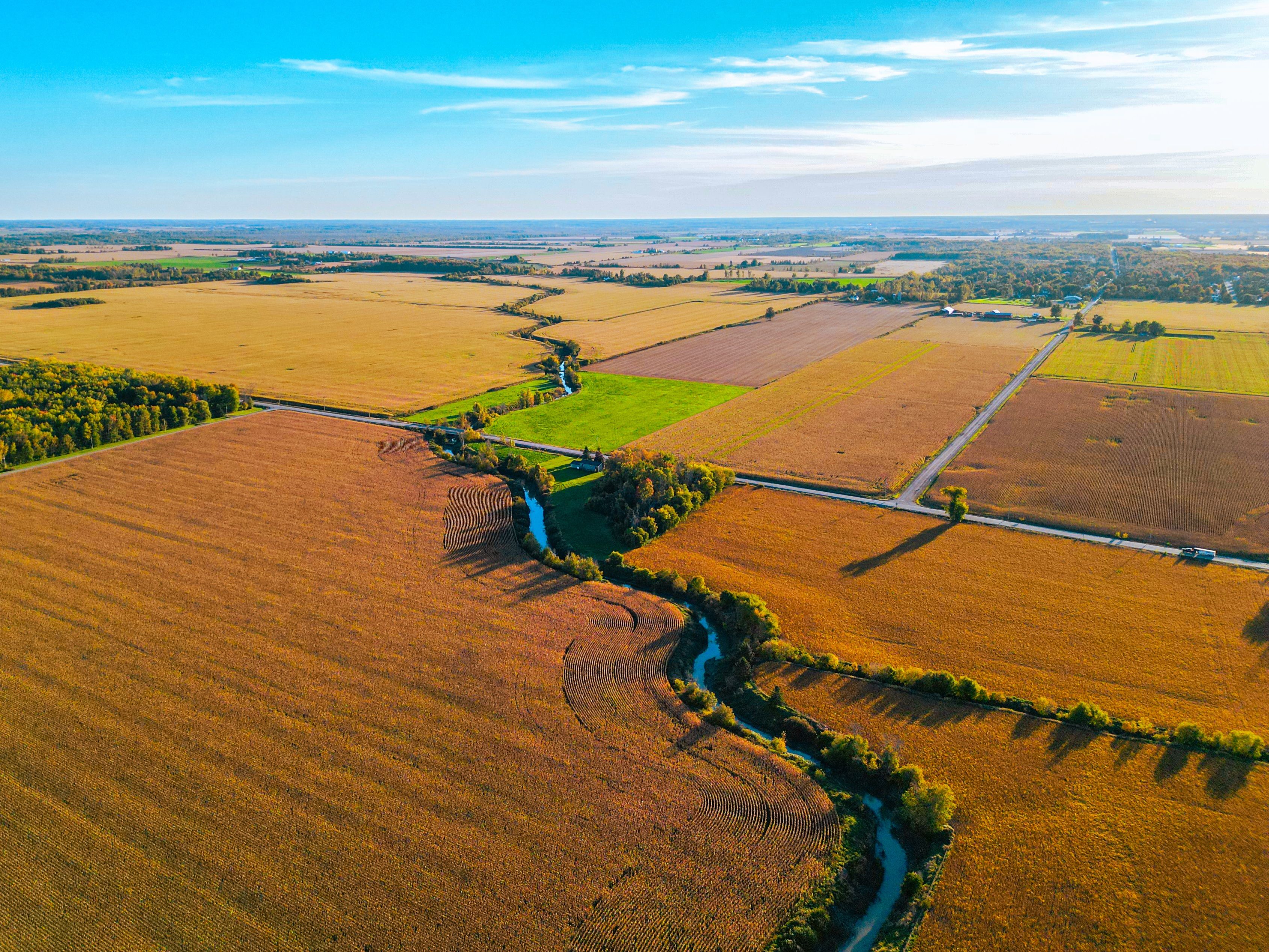
Soil conservation is a cornerstone of effective land management. In Johnston County, fertile soil is crucial for agricultural success. Practices such as crop rotation, cover cropping, and reduced tillage can help maintain soil health. These methods not only prevent erosion but also improve soil fertility, ensuring long-term agricultural viability.
Additionally, using organic matter and compost can enhance soil structure and nutrient content. These practices contribute to a more resilient agricultural system that can withstand environmental challenges.

Water Management Strategies
Water management is essential for both agricultural and urban areas. Efficient irrigation systems, such as drip or sprinkler systems, can significantly reduce water wastage. In Johnston County, where agriculture is a primary industry, these systems can help optimize water use and increase crop yields.
Implementing rainwater harvesting techniques is another effective strategy. By collecting and storing rainwater, landowners can reduce their dependence on external water sources and ensure a steady supply during dry periods.

Preservation of Natural Habitats
Preserving natural habitats is crucial for maintaining biodiversity and ecological balance. In Johnston County, protecting wetlands, forests, and other natural areas can provide numerous benefits, including improved air and water quality and enhanced wildlife habitats.
Landowners can participate in conservation programs and collaborate with local organizations to protect these valuable ecosystems. Such efforts not only benefit the environment but also enhance the quality of life for the community.
Community Involvement in Land Management
Engaging the community is vital for successful land management. Johnston County residents can participate in educational workshops, volunteer for conservation projects, and provide input on local land use policies. Community involvement ensures that land management practices align with the needs and values of the local population.
By fostering a sense of stewardship, communities can work together to achieve sustainable land use and preservation goals.

Future Trends in Land Management
The future of land management in Johnston County will likely involve increased use of technology and data-driven approaches. Tools such as GIS mapping, remote sensing, and precision agriculture can provide valuable insights into land conditions and help optimize management practices.
As challenges such as climate change and urbanization continue to evolve, adopting innovative solutions will be essential. By staying informed about emerging trends and technologies, landowners and managers can ensure that their practices remain effective and sustainable.