
Top Misconceptions About Construction Framing Debunked


Understanding the Basics of Construction Framing
Construction framing is a crucial aspect of building structures, yet many misconceptions surround this fundamental process. Understanding the truth behind these myths can help both homeowners and aspiring builders make informed decisions. Framing involves the creation of a building's skeleton, providing support and shape to the entire structure.
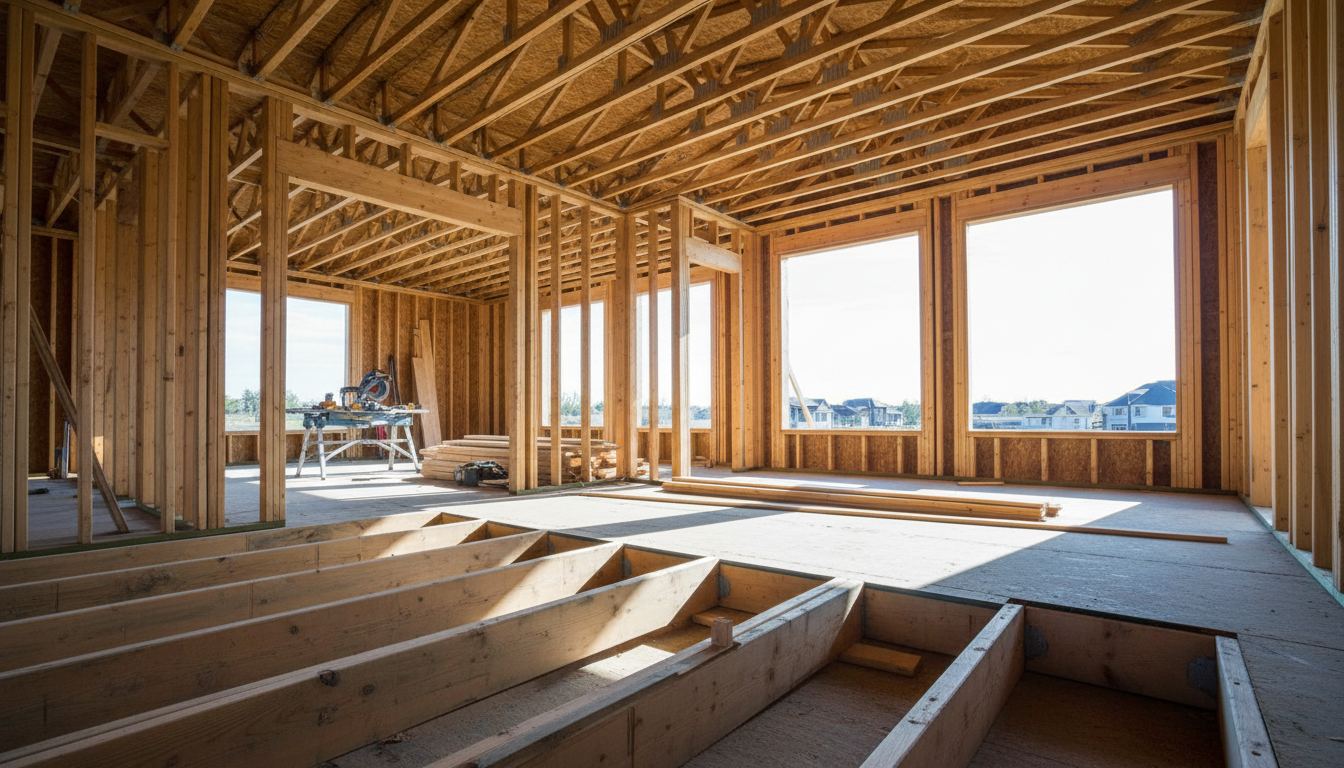
Despite its importance, framing is often misunderstood. Many assume it is simply about nailing wood together, but it is a complex process requiring precision and expertise. Let's explore some of the most common misconceptions and set the record straight.
Misconception 1: Framing Is Only About Wood
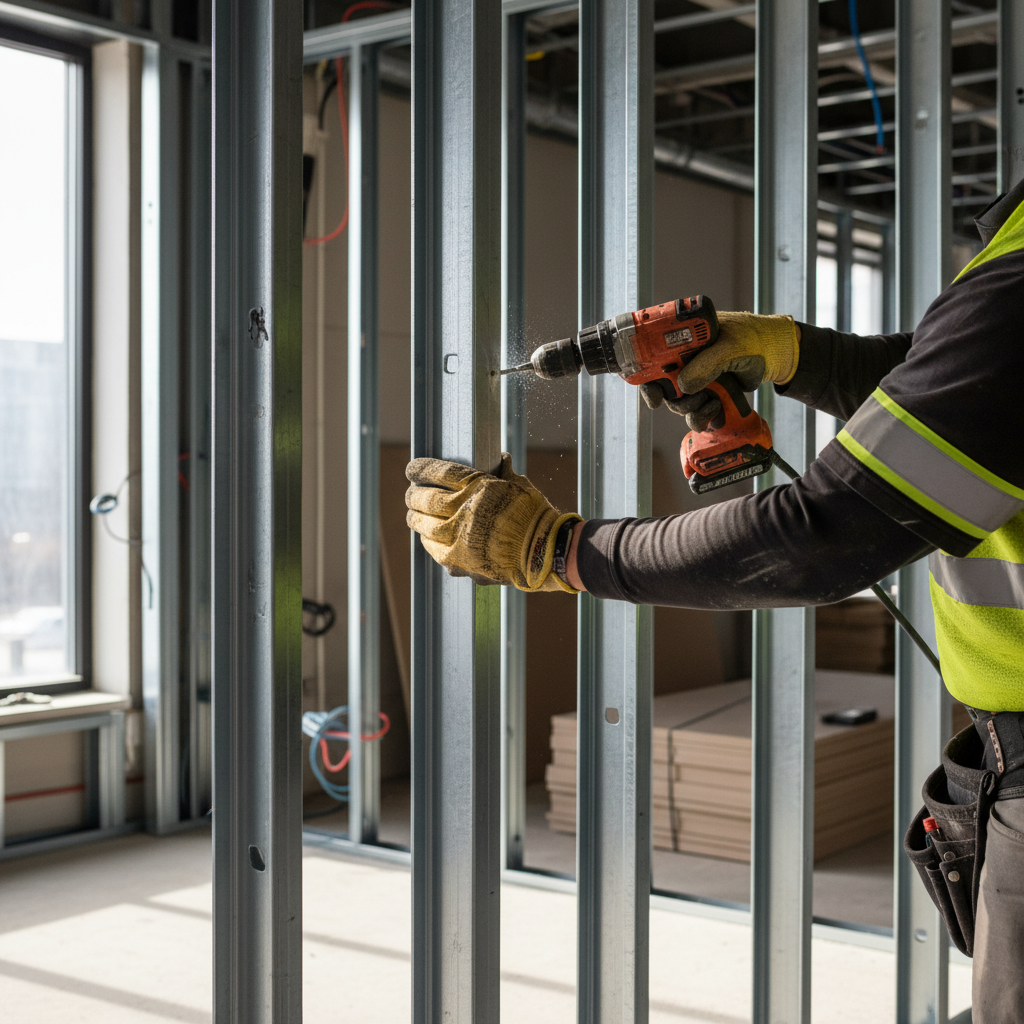
While wood is a popular material due to its availability and cost-effectiveness, it's not the only option. Steel framing is becoming increasingly popular, especially in commercial construction. Steel offers durability and resistance to pests and moisture. Understanding the materials available can lead to better choices for specific projects.
Another option is engineered wood, which is designed to enhance strength and efficiency. Each material has its own set of advantages and is chosen based on the needs of the project.
Misconception 2: Framing Is a DIY-Friendly Task
Many people believe that framing is a straightforward task that can be tackled without professional help. However, framing requires a deep understanding of building codes, structural integrity, and precise measurements. Even a small mistake can lead to significant structural issues down the line.
Hiring a professional ensures that the framing is done correctly and meets all necessary standards. This not only protects the investment but also ensures the safety and longevity of the structure.
Misconception 3: Framing Doesn't Affect Insulation
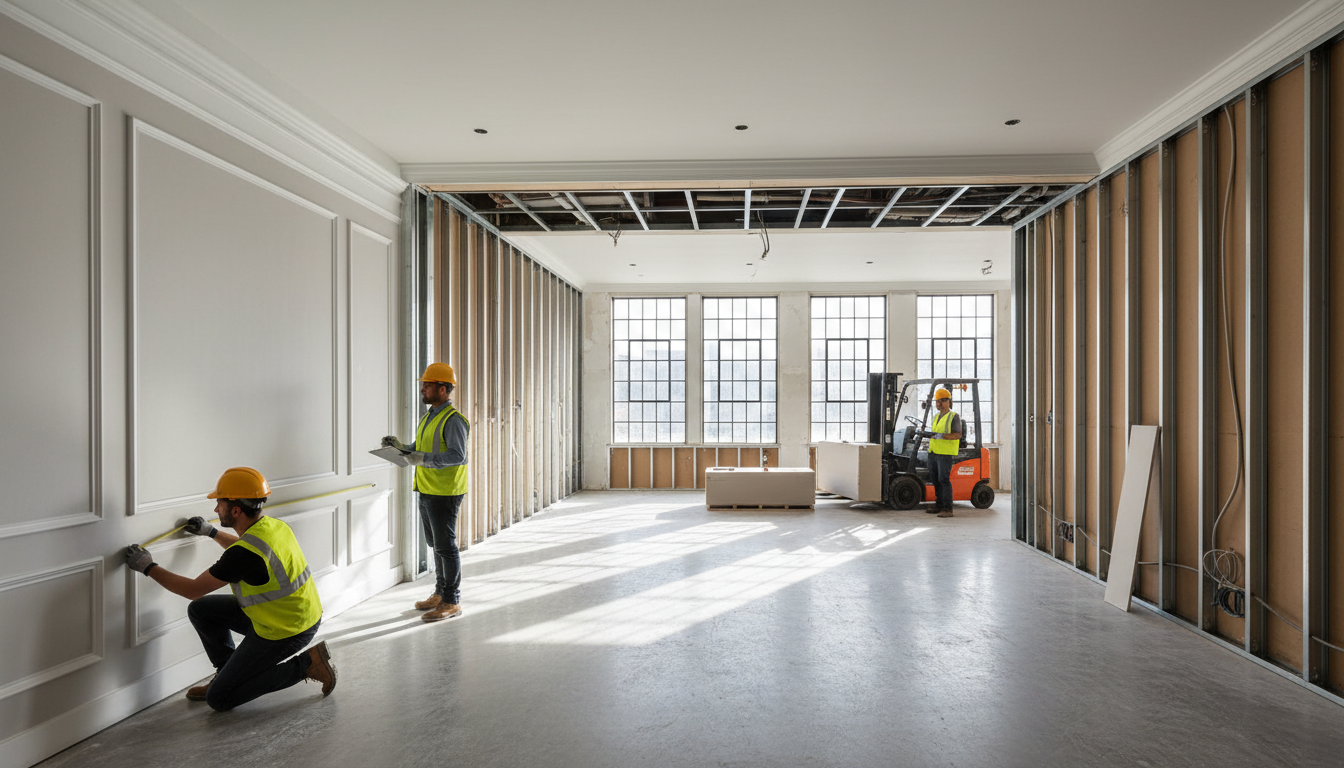
Another common myth is that framing has little to do with a building's insulation. In reality, framing plays a significant role in energy efficiency. The way walls are framed can impact the amount of insulation that can be installed, affecting the building's overall thermal performance.
Proper framing techniques can maximize insulation space, leading to better energy efficiency and reduced heating and cooling costs. Understanding the relationship between framing and insulation is vital for creating energy-efficient homes.
Final Thoughts on Framing Misconceptions
By debunking these misconceptions, we can appreciate the complexities and importance of construction framing. Whether you're building a new home or considering a renovation, understanding the truth about framing can lead to better decisions and outcomes.
Always prioritize knowledge and professional expertise in framing to ensure a safe, efficient, and durable structure. With the right approach, framing becomes more than just a construction phase; it becomes the foundation of a successful building project.