
Top Myths About Land Clearing: What You Need to Know


Understanding Land Clearing Myths
Land clearing is a crucial process for many projects, from agriculture to construction. However, misconceptions often cloud the understanding of this practice. It's essential to separate fact from fiction to appreciate the benefits and implications of land clearing.
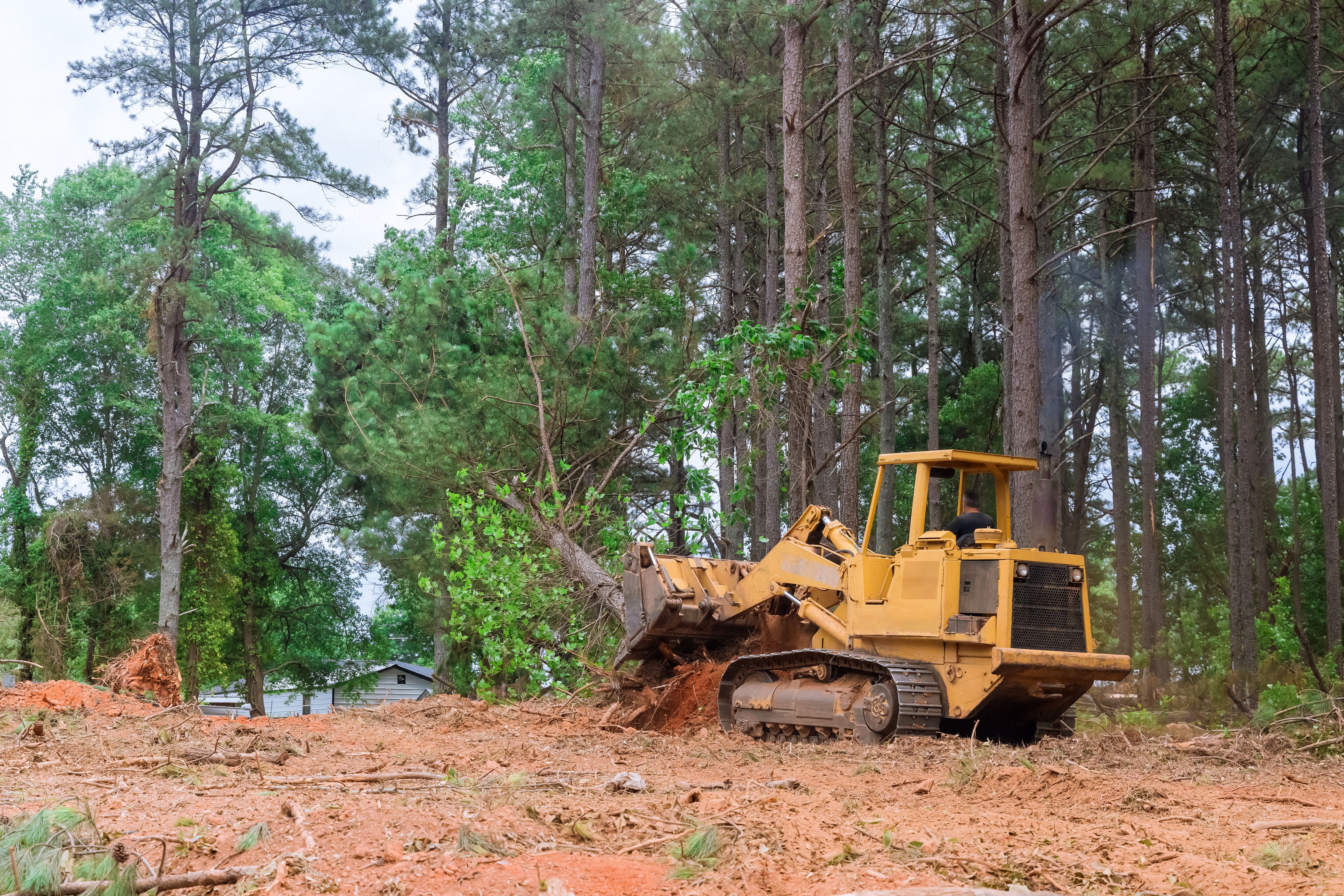
Myth 1: Land Clearing is Always Harmful to the Environment
One common myth is that land clearing is inherently detrimental to the environment. While it's true that irresponsible clearing can lead to negative impacts, responsible land clearing is conducted with sustainability in mind. Techniques like selective clearing and controlled burns can actually promote biodiversity.
Moreover, cleared land can be repurposed for environmental enhancements, such as creating green spaces or restoring native habitats. It's all about balance and implementing practices that minimize ecological disruption.
Myth 2: It's a Simple and Quick Process
Another misconception is that land clearing is a straightforward task that can be completed quickly. In reality, it requires careful planning and precise execution. The process involves assessing the land, obtaining necessary permits, and employing the right equipment and techniques.
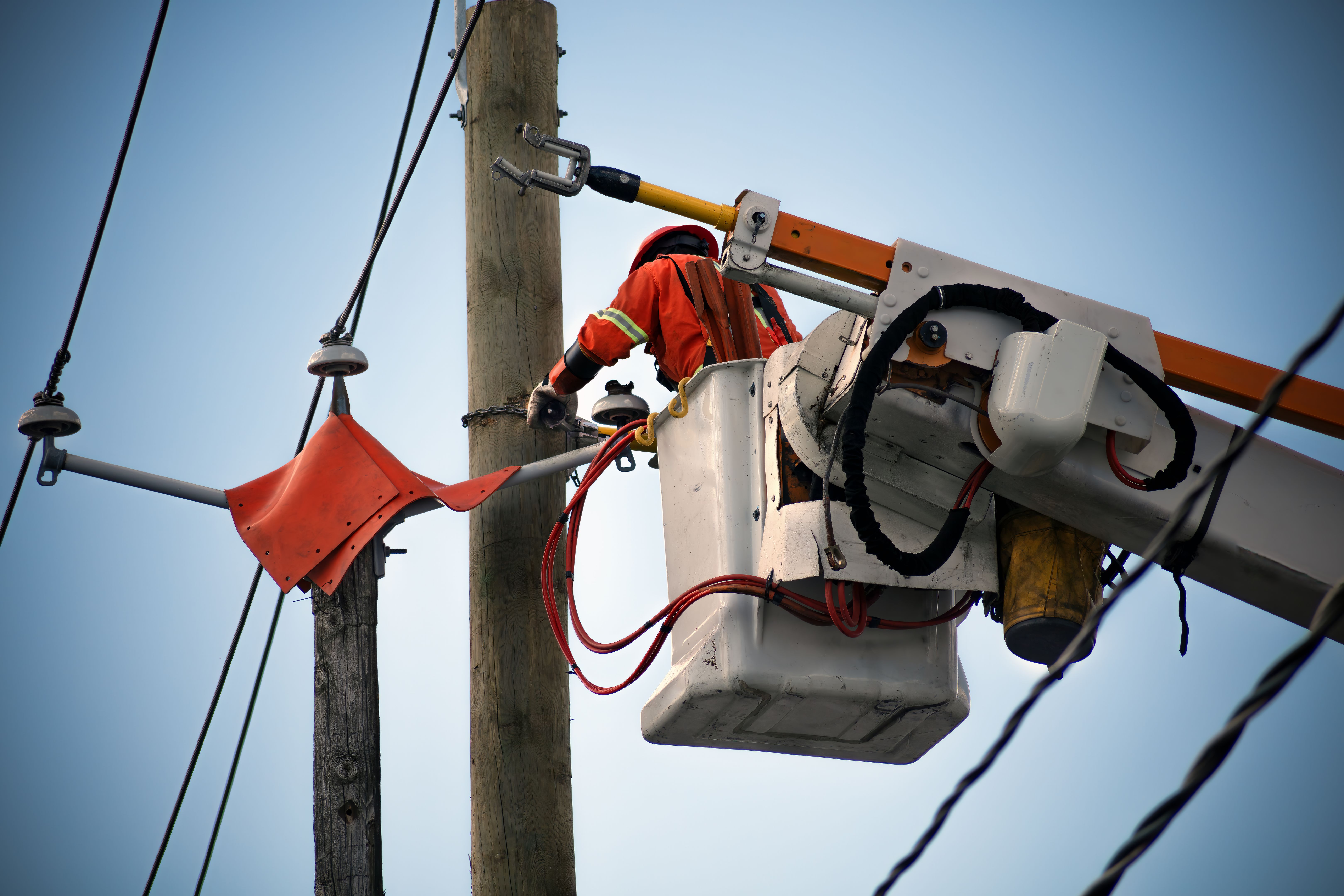
Professionals must consider various factors, such as soil health, weather conditions, and the presence of wildlife. Rushing through these steps can lead to costly mistakes and potential legal issues.
Myth 3: Land Clearing is Unnecessary for Small Projects
Some believe that land clearing is only necessary for large-scale projects, but this is not the case. Even small projects can benefit from proper land clearing. It ensures that the area is prepared adequately, preventing future complications like erosion or drainage problems.
For example, clearing land for a small garden or backyard renovation can improve soil quality and ensure a healthier environment for plants to thrive.

Myth 4: All Land Clearing Companies Are the Same
There's a misconception that all land clearing services offer similar quality and expertise. In truth, the effectiveness and environmental responsibility of land clearing can vary significantly between companies. It's crucial to research and choose a company with a proven track record of sustainable practices.
Look for providers who prioritize eco-friendly methods and have the necessary certifications. This ensures that your project is handled with care and consideration for the environment.
Conclusion
Understanding the realities of land clearing can help dispel myths and foster more informed decisions. Whether for a small garden or a large construction project, recognizing the importance of sustainable land clearing practices can lead to better outcomes for both the project and the environment.