
Understanding Footings and Foundations: What Homeowners Need to Know


Introduction to Footings and Foundations
When it comes to building or buying a home, understanding the basics of footings and foundations is crucial. These elements are the backbone of any structure, providing stability and support. In this post, we’ll explore what footings and foundations are, why they matter, and how they contribute to the overall integrity of your home.
Footings and foundations work together to distribute the weight of the building evenly across the ground. This ensures that the structure remains intact, even in adverse conditions. Without proper footings and foundations, a home could suffer from uneven settling, leading to cracks and other structural issues.
What Are Footings?
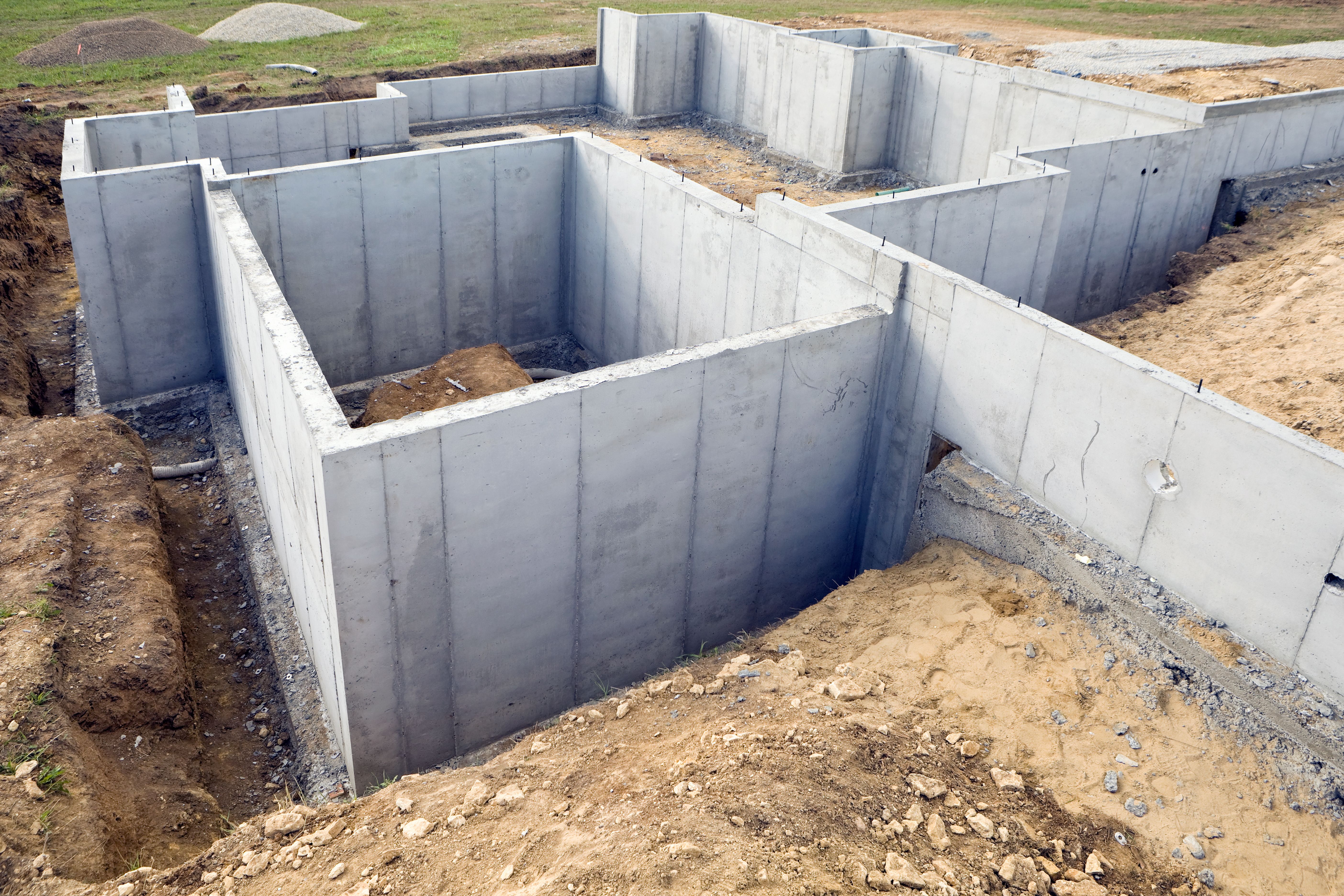
Footings are the base of any foundation system. They are typically made from concrete and are designed to support the foundation and prevent settling. The size and type of footings required depend on several factors, including soil type, climate, and the weight of the building.
Properly constructed footings are crucial for maintaining the structural integrity of a home. They help in distributing the load of the building evenly to prevent any part of the structure from sinking more than another.
Types of Footings
- Strip Footings: Used for load-bearing walls, these are long and continuous.
- Pad Footings: Support individual columns and are generally square or rectangular.
- Slab Footings: Used for slab-on-grade foundations, providing a large, flat base.
Understanding Foundations
Foundations are built on top of footings and serve as the primary support for the house. They transfer the weight of the building to the footings and into the ground. Foundations can be made of concrete, stone, or brick, and their construction depends on the type of soil and the design of the house.
There are various types of foundations, each suited for different conditions and requirements. Choosing the right foundation is essential for ensuring the longevity and safety of a home.
Types of Foundations
- Basement Foundation: Provides additional living or storage space below ground level.
- Crawl Space Foundation: Elevates the home slightly off the ground, allowing for access to plumbing and wiring.
- Slab-on-Grade Foundation: A single layer of concrete poured directly on the ground, ideal for warmer climates.
Why Proper Construction Matters
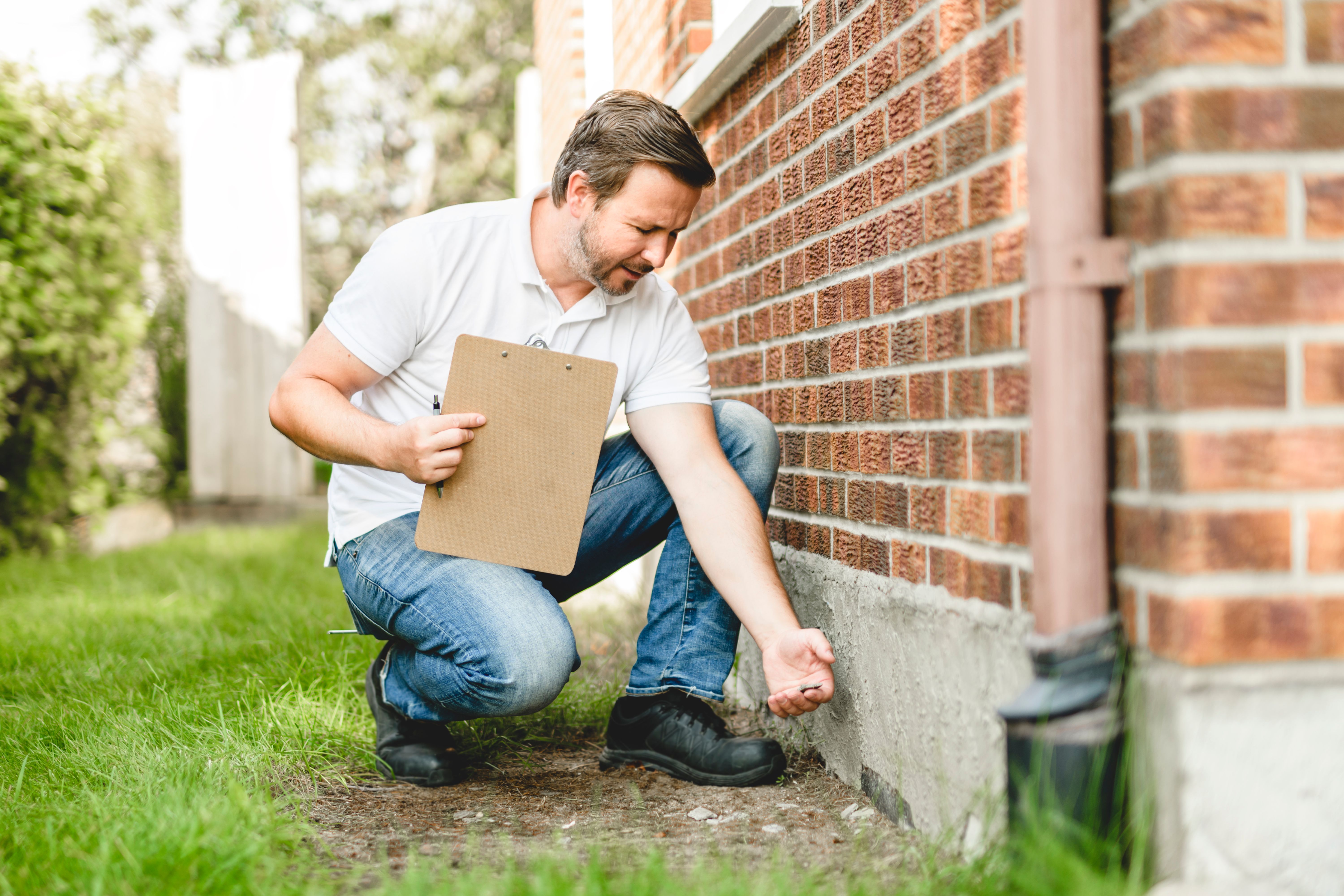
Proper construction of footings and foundations is vital to avoid costly repairs and ensure the safety of the occupants. Issues such as water damage, soil erosion, and poor construction techniques can compromise the integrity of these structures. Engaging experienced professionals for construction and regular inspections can prevent these problems.
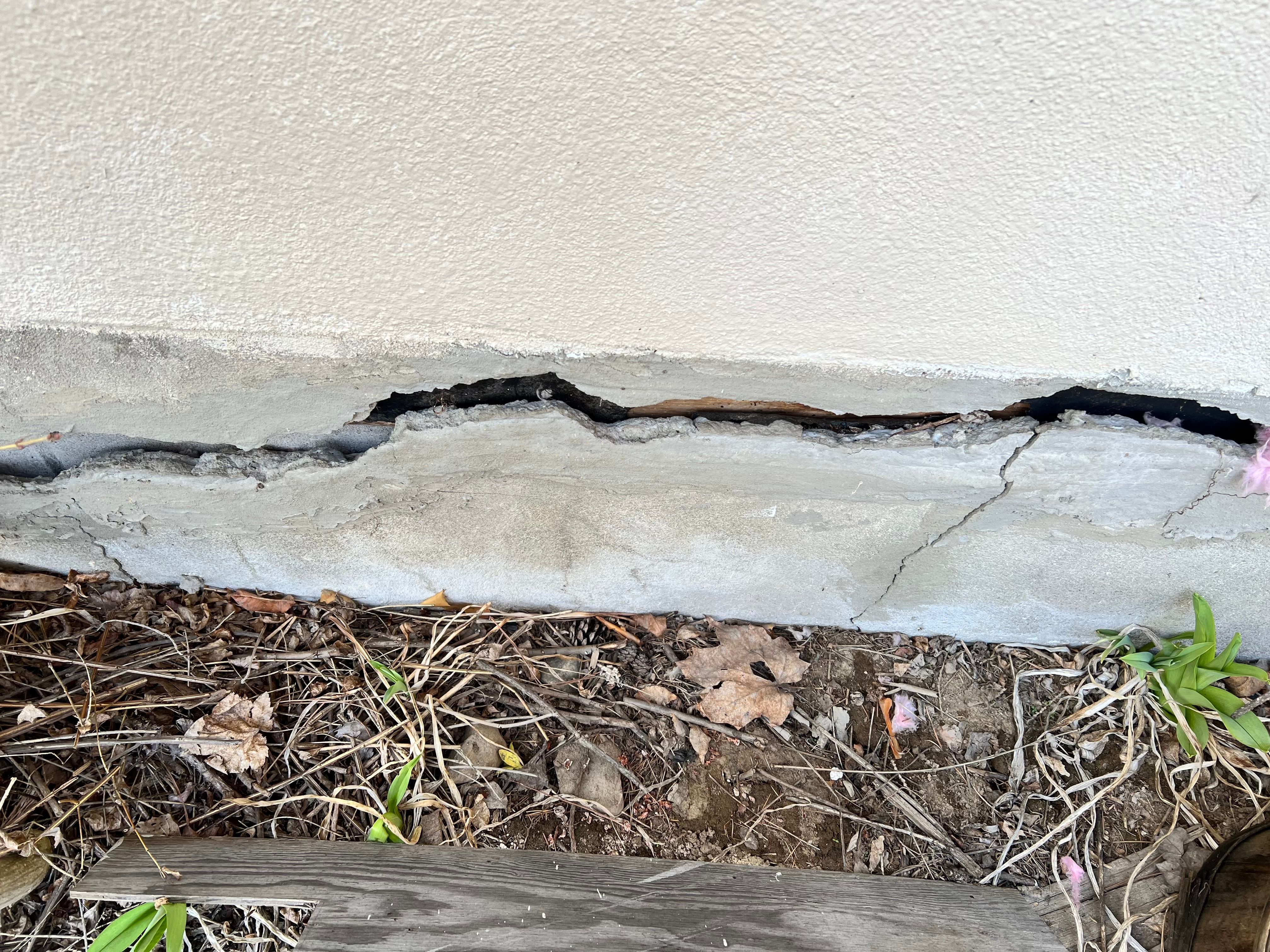
Homeowners should be aware of the signs of foundation issues, such as cracks in walls, doors that stick, and uneven floors. Early detection can save significant time and money in repairs.
Conclusion
Understanding footings and foundations is an essential part of homeownership. They are the unseen heroes that keep our homes safe and secure. By investing in quality construction and regular maintenance, homeowners can ensure that their homes remain in excellent condition for years to come.
Whether you're building a new home or maintaining an existing one, knowledge of these critical components will empower you to make informed decisions and protect your investment.